
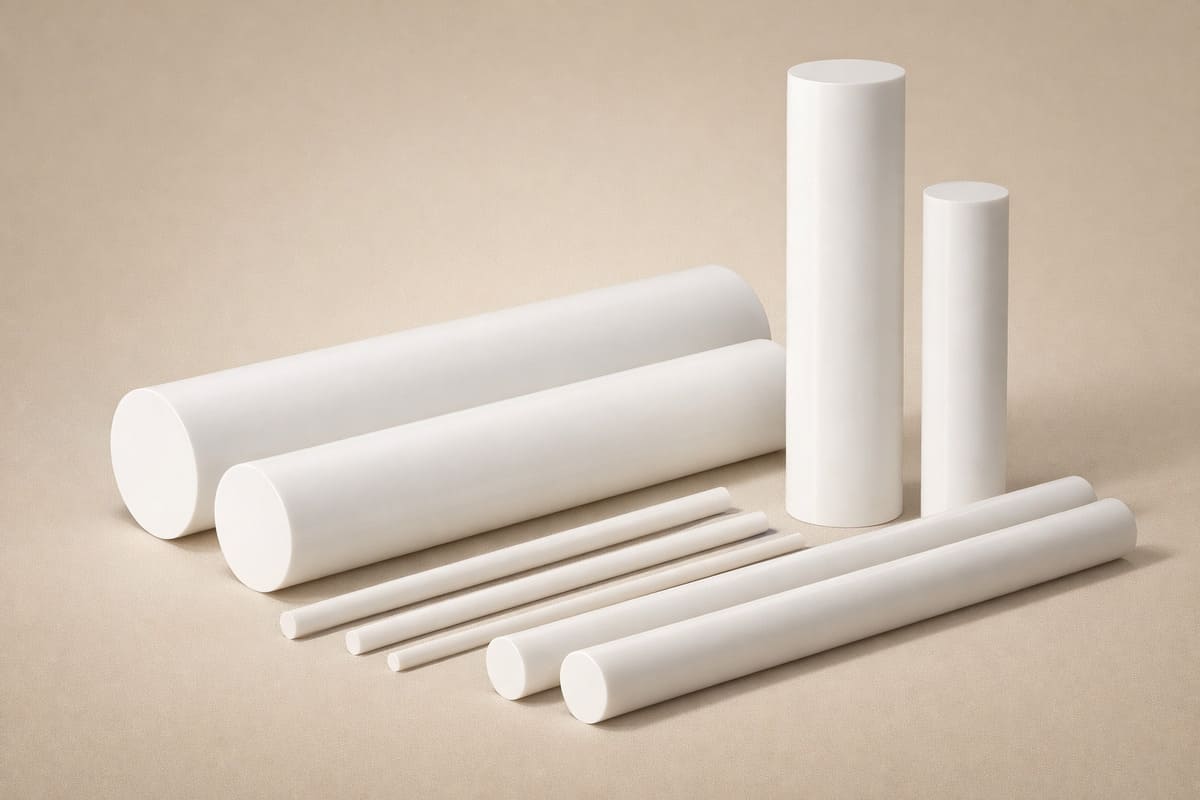
Alumina Rod/Bar
- Custom and standard options available.
- Fast lead times guaranteed.
- High performance at a competitive price.
Made from high-purity Al₂O₃, Alumina Rod/Bar offers wear resistance, high-temperature stability (up to 1600°C+), and electrical insulation. Chemically inert and corrosion-resistant. Ideal for thermal process fixtures, insulating shafts, vacuum components, and structural supports. Various diameters and lengths available; precision grinding optional.NexusX Advanced Materials, as a premier manufacturer and supplier of high-quality. Alumina (Al2O3) products, focuses on producing high-precision aluminum nitride silicon structural compenents through advanced technologies for diverse application fields.
Or email us at [email protected]
Alumina Rod/Bar Data Sheet
Purity: | 95%, 96%, 99%, 99.5%, 99.7%, 99.95% |
Color: | White |
Density | 3.7-3.98 g/cm3 |
Diameter: | 1-100 mm, customized |
Alumina Rod/Bar Descriptions
Alumina rods and bars are precision ceramic components manufactured from high-purity aluminum oxide (Al₂O₃, typically 95%–99.8%), combining outstanding mechanical strength, high surface hardness (up to 1700 HV), excellent wear resistance, and the ability to withstand continuous operating temperatures of 1600°C or higher depending on grade. These rods also provide superior electrical insulation and chemical inertness, making them resistant to most acids, alkalis, and corrosive atmospheres. Typical applications include thermocouple protection tubes, high-temperature furnace supports and fixtures, electrical insulation shafts and spacers, wear-resistant guides and liners, as well as precision structural components in vacuum systems. Alumina rods are available in a range of diameters, lengths, and surface finishes (as-fired, ground, or polished) to meet tight tolerances and specific engineering requirements.
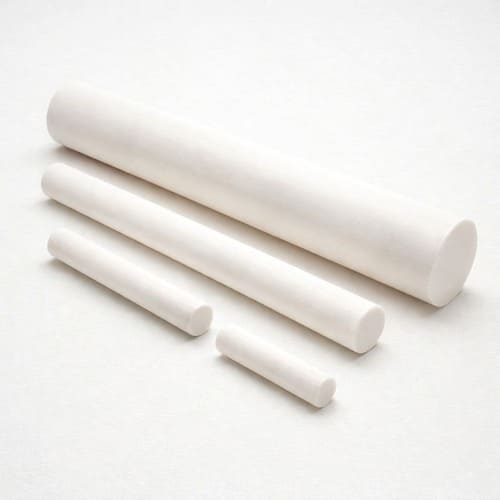
Alumina Rod/Bar Advantages
- High mechanical strength – Provides excellent load-bearing capacity and resistance to fracture under stress.
- Exceptional wear resistance – Extends service life in abrasive or high-friction environments.
- High-temperature stability – Withstands continuous operation up to 1600°C or higher, depending on purity grade.
- Excellent electrical insulation – Ideal for electronic and high-voltage applications as a non-conductive component.
- Chemical inertness – Resistant to most acids, alkalis, and corrosive agents, ensuring reliability in harsh chemical environments.
- High surface hardness – Reaches up to 1700 HV, reducing damage from scratching or impact.
- Dimensional precision – Available in as-fired, ground, or polished finishes to meet tight tolerances.
- Versatile sizing – Offered in various diameters and lengths to suit diverse industrial needs.
- Vacuum compatibility – Suitable for use in vacuum chambers and semiconductor manufacturing equipment.
- Low maintenance – Durable composition reduces the need for frequent replacement or repair.
Alumina Rod/Bar Applications
- Thermocouple protection tubes – Shields temperature sensors in high-temperature or corrosive environments.
- Furnace supports and fixtures – Used as structural components in high-temperature kilns and heat treatment furnaces.
- Electrical insulation shafts and spacers – Provides non-conductive barriers in motors, generators, and electronic devices.
- Wear-resistant guides and liners – Protects equipment from abrasion in textile, wire winding, and material handling systems.
- Vacuum system components – Suitable for chamber liners, feedthroughs, and structural parts in semiconductor and thin-film deposition equipment.
- High-temperature insulation parts – Acts as thermal barriers in aerospace, automotive, and industrial heating systems.
- Chemical processing components – Resists corrosion in pump seals, valve seats, and fluid handling systems.
- Precision measuring instruments – Used as stable, non-magnetic structural elements in gauges and sensors.
- Welding and brazing fixtures – Maintains shape and strength under localized high heat.
- Metal and glass forming tools – Serves as wear-resistant contact surfaces in high-speed manufacturing lines.


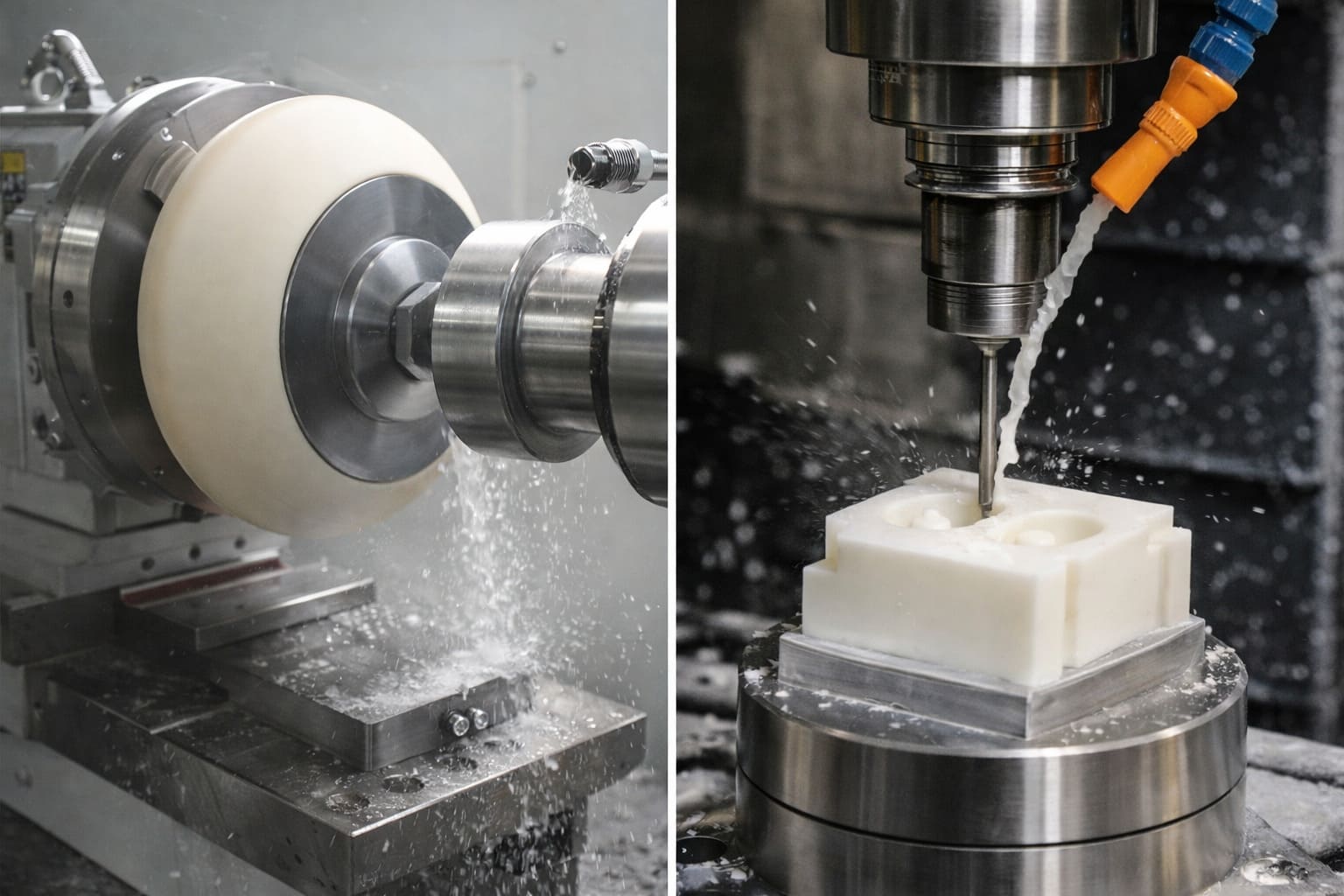
Alumina Ceramic Machining
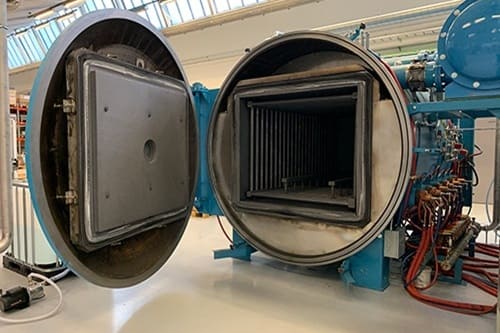
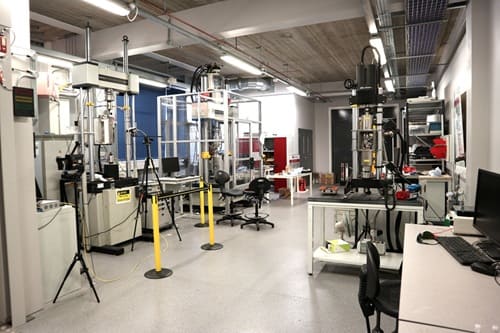
Alumina ceramics are produced through methods such as injection molding, die pressing, isostatic pressing, slip casting, and extrusion. After sintering and densification, machining requires diamond grinding techniques. Advanced Ceramic Hub utilizes cutting-edge green and biscuit machining technology to produce more complex components with traditional methods. Our advanced machining center includes drilling, grinding, milling, polishing, sawing, tapping, threading, and turning, enabling the manufacture of alumina ceramic components with tight tolerances and high complexity. During the machining process, the following precautions should be observed:
- Shrinkage Control: Alumina ceramics shrink by about 20% during sintering, requiring dimensional adjustments in the green body stage.
- Tolerance Control: Precise tolerances are unachievable in the green or pre-sintered state; fine machining should follow sintering.
- Diamond Grinding: Post-sintering, high-hardness alumina requires diamond grinding, as conventional methods fall short.
- Tool Selection: Diamond-coated tools or grinding wheels are essential to handle ceramic hardness and prevent tool damage.
- Temperature Control: Strict temperature management during sintering prevents cracking or deformation.
- Stress Management: Excessive stress during machining must be avoided to prevent brittle failure.
- Cutting Speed and Feed Rate: Controlled speeds and feeds ensure quality and extend tool life.
- Surface Treatment: Post-machining polishing removes defects, enhancing performance and appearance.
Alumina Ceramic Packaging
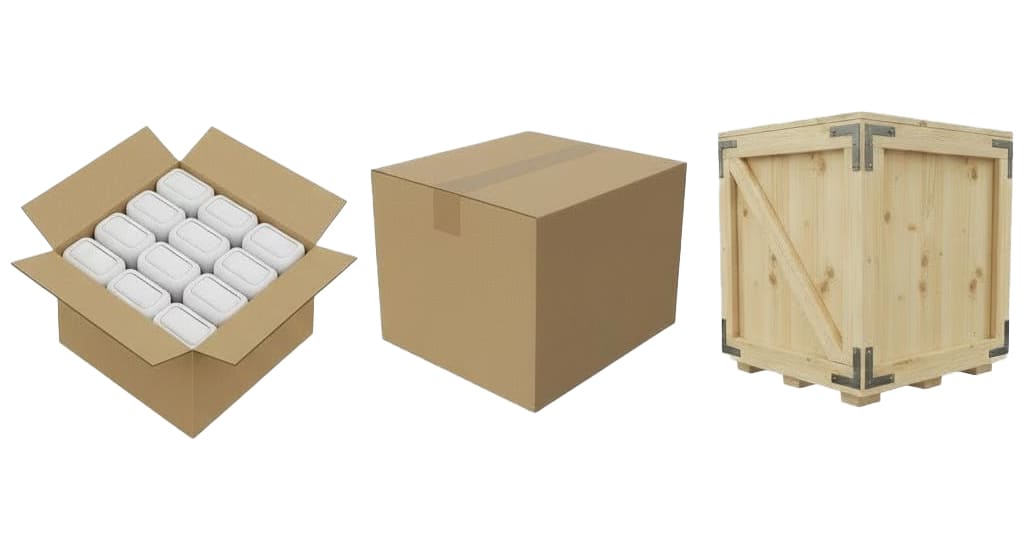
The Alumina Ceramic products are carefully placed in wooden cases or cartons with additional support from soft materials to prevent any shifting during transportation. This packaging method guarantees the integrity of the products throughout the delivery process.
Download
- SAFETY DATA SHEET (SDS) -Alumina Rod/Bar
FAQ
What is an Alumina Rod/Bar used for?
Alumina Rod/Bar is widely used in high-temperature furnaces, electrical insulation components, wear-resistant guides, thermocouple protection tubes, and vacuum system parts due to its excellent thermal stability and mechanical strength.
What temperature can an Alumina Rod/Bar withstand?
Depending on purity (95%–99.8%), an Alumina Rod/Bar can withstand continuous operating temperatures ranging from 1400°C to 1600°C or higher, with short-term resistance up to 1800°C.
How hard is an Alumina Rod/Bar?
An Alumina Rod/Bar typically exhibits a Vickers hardness of 1500–1700 HV, which is comparable to sapphire, providing exceptional scratch resistance and wear resistance in demanding industrial environments.
Is an Alumina Rod/Bar resistant to chemicals?
Yes, an Alumina Rod/Bar is chemically inert and resistant to most acids, alkalis, and corrosive gases, making it suitable for use in harsh chemical processing environments and semiconductor manufacturing.
Can an Alumina Rod/Bar be used in a vacuum environment?
Yes, an Alumina Rod/Bar is vacuum-compatible and exhibits low outgassing, making it suitable for use in vacuum chambers, thin-film deposition equipment, and other high-precision vacuum systems.
Get A Quote
Request a personalized quote tailored to your specific requirements.