
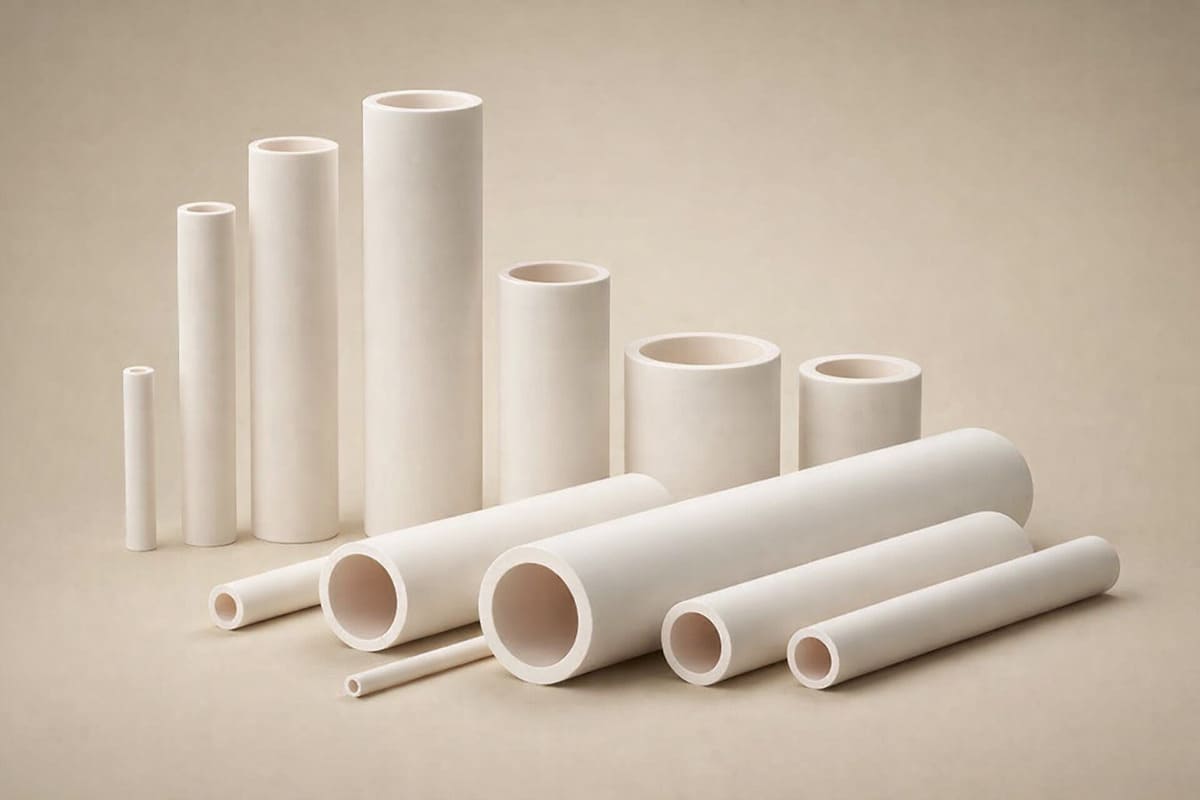
Alumina Tube
- Custom and standard options available.
- Fast lead times guaranteed.
- High performance at a competitive price.
Alumina Tube – High-purity ceramic tube designed for extreme high-temperature and corrosive environments. Features excellent thermal stability, high hardness, and chemical inertness. Widely used as thermocouple protection sheaths, furnace tubes, and gas sampling lines. Available in various purity grades (95%–99.8%) and custom sizes. Reliable performance up to 1700°C.NexusX Advanced Materials, as a premier manufacturer and supplier of high-quality. Alumina (Al2O3) products, focuses on producing high-precision aluminum nitride silicon structural compenents through advanced technologies for diverse application fields.
Or email us at [email protected]
Alumina Tube Data Sheet
Purity: | 95%, 96%, 99%, 99.5%, 99.7%, 99.95% |
Color: | White |
Density: | 3.7-3.98 g/cm3 |
Outer Diameter: | 1-150 mm, or customized |
Inner Diameter: | 0.5-140 mm, or customized |
Wall Thickness: | 0.25-15 mm, or customized |
Length | 1-1000 mm, or customized |
Alumina Tube Descriptions
Alumina tubes are precision-engineered ceramic components made from high-purity aluminum oxide (Al₂O₃). They are widely recognized for their exceptional thermal stability, high mechanical strength, and outstanding resistance to corrosion, wear, and thermal shock. These tubes maintain structural integrity at temperatures up to 1700°C, depending on the alumina purity grade (typically 95%–99.8%). Common applications include thermocouple protection sheaths, furnace tubes, high-temperature gas and liquid sampling lines, laboratory reactors, and semiconductor processing equipment. Alumina tubes also offer excellent electrical insulation properties, making them suitable for use in vacuum systems and electronic component housings. Their smooth inner and outer surfaces, precise dimensional tolerances, and low porosity ensure reliable performance in harsh industrial, chemical, and research environments.
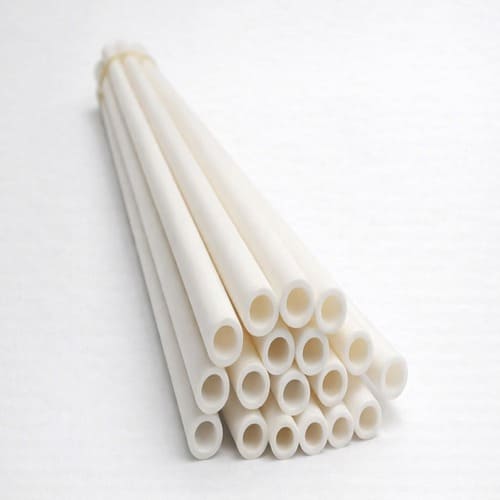
Alumina Tube Specifications
Outer Diameter: | Φ1-150 mm |
Inner Diameter: | Φ0.5-140 mm |
Wall Thickness: | 0.25-15 mm |
Length: | 9-10 (1-1000 mm) |
Note: Customized services can be available according to specific drawings. |
Alumina Tube Advantages
- High Thermal Stability – Withstands extreme temperatures up to 1700°C (depending on purity grade) without deformation or loss of strength.
- Excellent Corrosion Resistance – Resistant to acids, alkalis, molten metals, and most aggressive chemicals, ensuring long-term reliability in harsh environments.
- High Mechanical Strength – Maintains structural integrity under high pressure and mechanical stress, reducing risk of fracture or failure.
- Outstanding Thermal Shock Resistance – Can endure rapid temperature changes without cracking, ideal for cyclic heating and cooling processes.
- Chemical Inertness – Does not react with most process materials, preventing contamination and ensuring product purity.
- Good Electrical Insulation – High dielectric strength makes it suitable for electronic components, vacuum systems, and high-voltage applications.
- Low Porosity & Smooth Surface – Dense structure minimizes fluid absorption and buildup, facilitating easy cleaning and maintenance.
- Wear Resistance – Hard ceramic surface resists abrasion from flowing gases, liquids, or particulates, extending service life.
Alumina Tube Applications
- Thermocouple Protection Sheaths – Encases thermocouples in high-temperature furnaces, kilns, and reactors to prevent direct contact with flames, gases, or molten materials.
- High-Temperature Furnace Tubes – Used as the central tube in laboratory and industrial furnaces for heat treatment, calcination, and sintering processes.
- Gas and Liquid Sampling Lines – Transports hot or corrosive gas/liquid samples from process streams to analyzers without contamination or degradation.
- Semiconductor Processing – Employed in diffusion furnaces, CVD (chemical vapor deposition) systems, and etching equipment due to high purity and thermal stability.
- Laboratory Reactors and Pilot Plants – Serves as reaction vessels or liners for chemical synthesis, catalysis studies, and material testing under extreme conditions.
- Thermal Processing of Advanced Materials – Used for sintering ceramics, processing specialty glasses, and heat-treating metals in controlled atmospheres.
- Molten Metal Handling – Functions as a dip tube or lance for sampling, injecting gases, or measuring temperature in molten aluminum, steel, and other non-ferrous metals.
- Electrical Insulation Components – Provides high-voltage insulation in vacuum interrupters, electron microscopes, and other electronic or plasma-based equipment.
- Waste Incineration and Flue Gas Analysis – Withstands corrosive combustion gases and high temperatures in emission monitoring systems.
- Medical and Pharmaceutical Equipment – Used in sterile, high-temperature processes such as ashing, drying, or pyrogen testing due to its inert and non-toxic nature.


Alumina Ceramic Machining
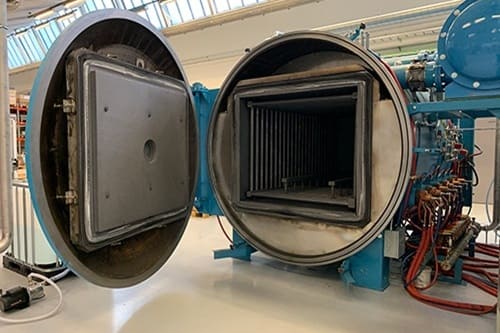
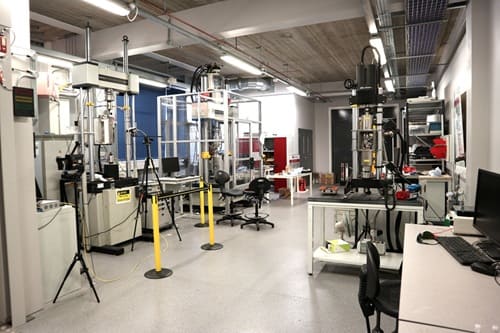
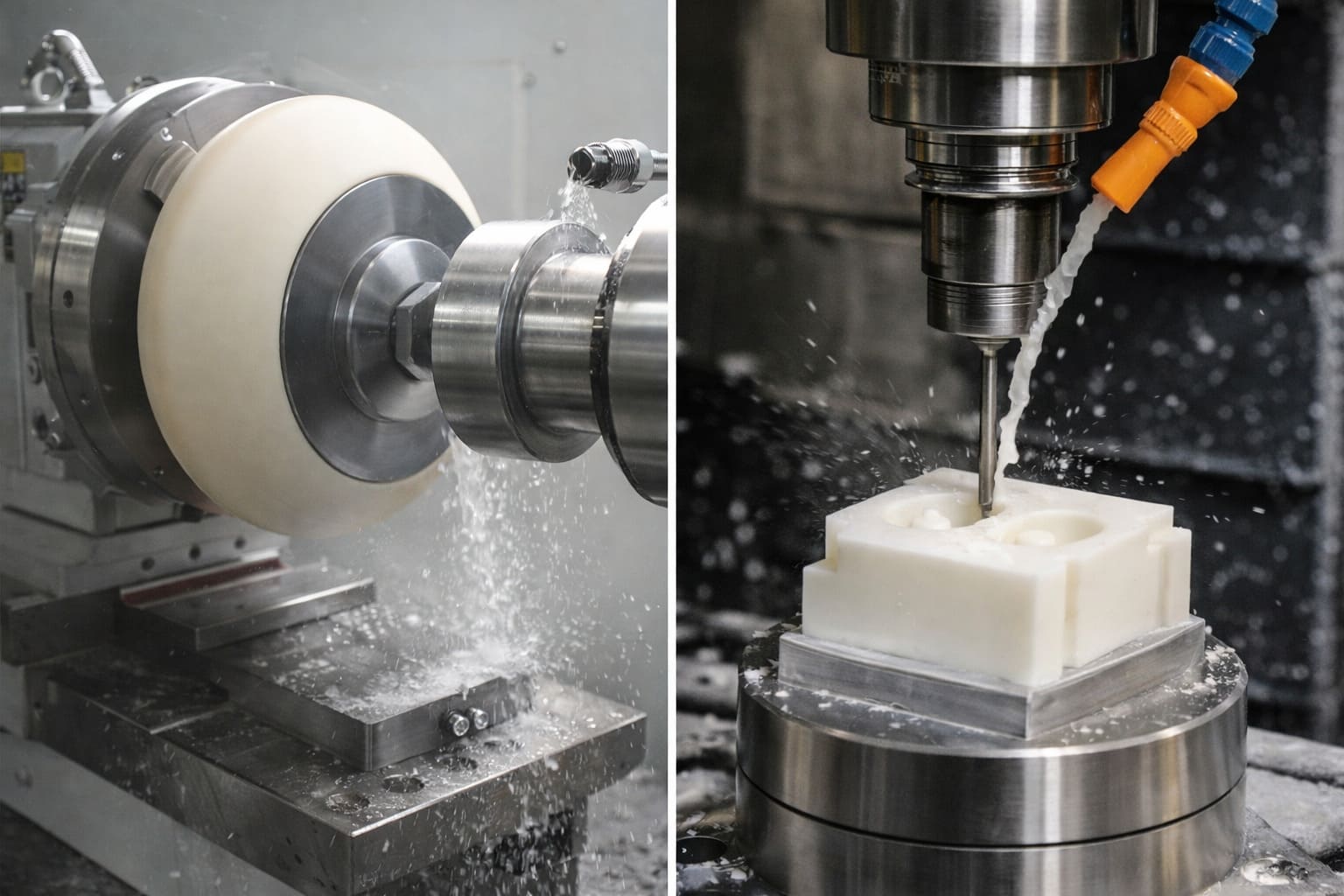
Alumina ceramics are produced through methods such as injection molding, die pressing, isostatic pressing, slip casting, and extrusion. After sintering and densification, machining requires diamond grinding techniques. Advanced Ceramic Hub utilizes cutting-edge green and biscuit machining technology to produce more complex components with traditional methods. Our advanced machining center includes drilling, grinding, milling, polishing, sawing, tapping, threading, and turning, enabling the manufacture of alumina ceramic components with tight tolerances and high complexity. During the machining process, the following precautions should be observed:
- Shrinkage Control: Alumina ceramics shrink by about 20% during sintering, requiring dimensional adjustments in the green body stage.
- Tolerance Control: Precise tolerances are unachievable in the green or pre-sintered state; fine machining should follow sintering.
- Diamond Grinding: Post-sintering, high-hardness alumina requires diamond grinding, as conventional methods fall short.
- Tool Selection: Diamond-coated tools or grinding wheels are essential to handle ceramic hardness and prevent tool damage.
- Temperature Control: Strict temperature management during sintering prevents cracking or deformation.
- Stress Management: Excessive stress during machining must be avoided to prevent brittle failure.
- Cutting Speed and Feed Rate: Controlled speeds and feeds ensure quality and extend tool life.
- Surface Treatment: Post-machining polishing removes defects, enhancing performance and appearance.
Alumina Ceramic Packaging
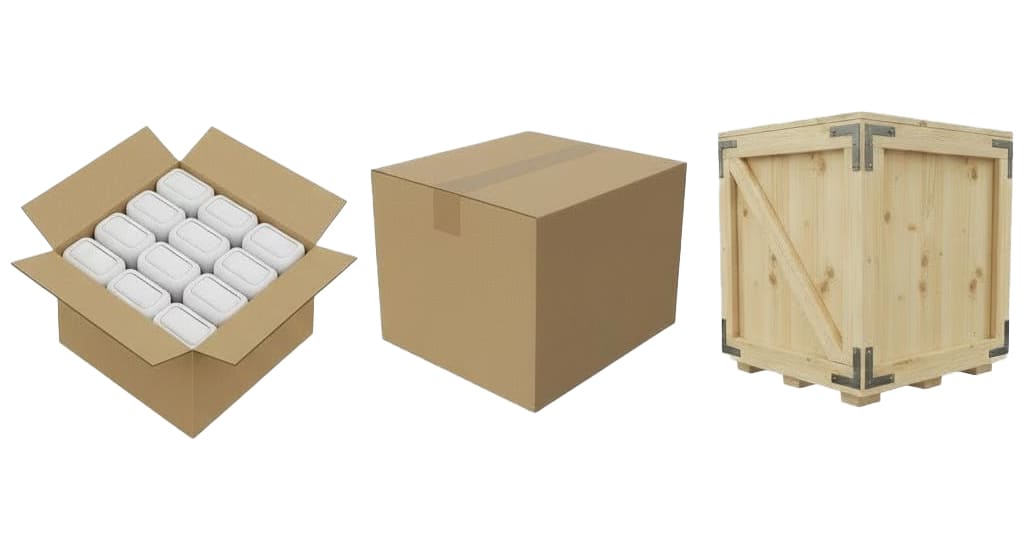
The Alumina Ceramic products are carefully placed in wooden cases or cartons with additional support from soft materials to prevent any shifting during transportation. This packaging method guarantees the integrity of the products throughout the delivery process.
Download
- SAFETY DATA SHEET (SDS) -Alumina Tube
FAQ
What is an Alumina Tube and what is it used for?
An Alumina Tube is a ceramic tube made from high-purity aluminum oxide, known for high temperature resistance, corrosion resistance, and strength. It is commonly used for thermocouple protection sheaths, furnace tubes, and gas sampling lines.
What is the maximum temperature an Alumina Tube can withstand?
The maximum temperature an Alumina Tube can withstand ranges from 1600°C to 1800°C depending on purity. A 99.8% high-purity Alumina Tube can operate continuously at approximately 1700°C.
How does an Alumina Tube resist chemical corrosion?
An Alumina Tube resists chemical corrosion due to its excellent chemical inertness, standing up to acids, alkalis, molten metals, and most corrosive gases for long-term stability in chemical plants and high-temperature reactors.
Can an Alumina Tube be used for thermocouple protection?
Yes. An Alumina Tube is one of the most common thermocouple protection sheaths, effectively protecting the thermocouple from direct contact with high heat, flames, and corrosive gases.
What industries commonly use an Alumina Tube?
An Alumina Tube is widely used in industries such as semiconductor manufacturing, petrochemicals, metallurgy, aerospace, laboratory research, medical equipment, and environmental monitoring.
Get A Quote
Request a personalized quote tailored to your specific requirements.