
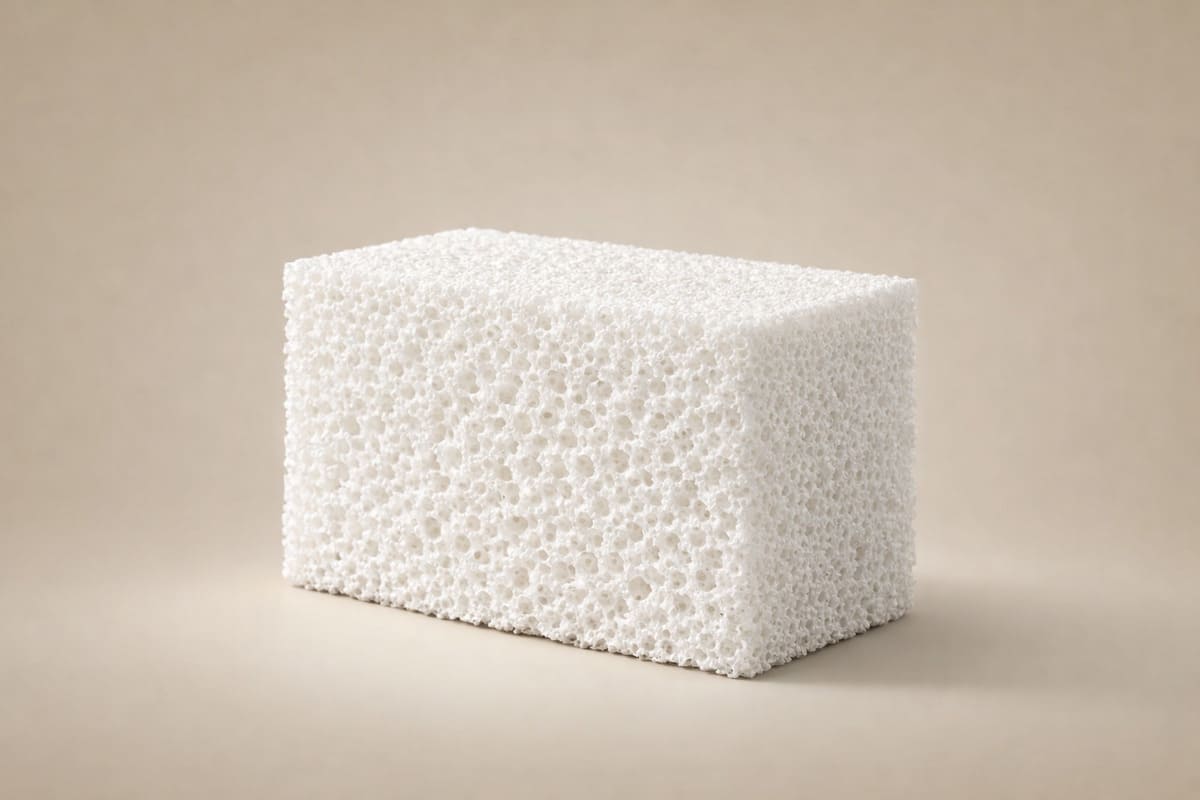
Alumina Foam
- Custom and standard options available.
- Fast lead times guaranteed.
- High performance at a competitive price.
Made from high-purity Al₂O₃, alumina foam features an open-cell porous structure with high porosity (80–90%), low density, thermal stability up to 1500°C+, chemical inertness, and corrosion resistance. Widely used for molten metal filtration, thermal insulation, catalyst supports, gas diffusers, and acoustic panels. Available in various pore sizes and custom shapes.NexusX Advanced Materials, as a premier manufacturer and supplier of high-quality. Alumina (Al2O3) products, focuses on producing high-precision aluminum nitride silicon structural compenents through advanced technologies for diverse application fields.
Or email us at [email protected]
Alumina Foam Data Sheet
Product | Large-Plate alumina foam | Small-Block alumina foam |
Chemical Composition | Al2O3 | |
Porosity (%) | 80–90% | |
Pore Density (PPI) | 10PPI–70PPI | |
Operating Temperature (°C) | ≤1100°C | |
Room Temperature Bending Strength (MPa) | 0.6 MPa | |
Room Temperature Compression Strength (MPa) | 0.8 MPa | |
Thermal Shock Resistance | 750°C to room temperature: 6 times | 1100°C to room temperature: 5 times |
Bulk Density (g/cm³) | 0.35–0.45 g/cm³ | 0.4–0.5 g/cm³ |
Alumina Foam Descriptions
Alumina foam is a high-porosity ceramic material produced from high-purity aluminum oxide (Al₂O₃ ≥ 99%), featuring an interconnected open-cell network. This structure delivers porosity levels of 80% to 90%, low bulk density, and a high surface area-to-volume ratio. Despite its lightweight nature, alumina foam retains excellent mechanical strength, high-temperature capability (continuous use up to 1500°C–1600°C), superior chemical inertness, and resistance to thermal shock and molten metal corrosion. It is available in standard pore sizes ranging from 5 to 60 pores per inch (PPI), as well as custom shapes and thicknesses, making it suitable for demanding filtration, insulation, and catalysis applications.
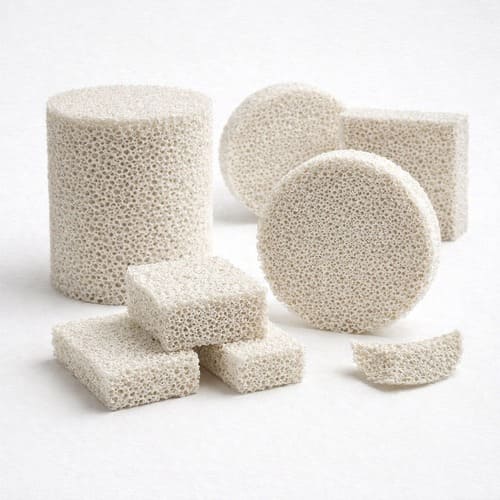
Alumina Foam Specification
Specification | Ceramic Filter Radius (R) | Ceramic Filter Height (H) | Edge Thickness (T) |
Φ40×20 | 20 | 20 | 2 |
Φ50×20 | 25 | 20 | 2 |
Φ65×20 | 32.5 | 20 | 2 |
Φ80×20 | 40 | 20 | 2 |
Φ100×20 | 50 | 20 | 2 |
Φ40×25 | 20 | 25 | 2 |
Φ50×25 | 25 | 25 | 2 |
Φ65×25 | 32.5 | 25 | 2 |
Φ80×25 | 40 | 25 | 2 |
Φ100×25 | 50 | 25 | 2 |
Note:
- Restrictions: Depth greater than 5mm of missing angles/edges or deformation with curvature exceeding 2mm is not allowed.
- Custom Dimensions: Sizes can be customized to specific requirements.
- Tolerances: Ceramic filter radius R tolerance is 0.75–0.25, height H tolerance is 1.5–0.5, and edge thickness T tolerance is 0.5–0.5.
Alumina Foam Advantages
- High porosity (80–90%) – Provides low density and high surface area, ideal for filtration and catalyst support applications.
- Excellent thermal stability – Withstands continuous operating temperatures up to 1500°C–1600°C, depending on grade.
- Low thermal conductivity – Acts as an effective thermal insulator, reducing energy loss in high-temperature furnaces and kilns.
- Chemical inertness – Resistant to most acids, alkalis, and corrosive gases, ensuring long-term reliability in harsh chemical environments.
- Outstanding molten metal filtration – Effectively removes inclusions and impurities from non-ferrous metals such as aluminum, copper, and zinc.
- High thermal shock resistance – Survives rapid temperature changes without cracking, suitable for cyclic heating processes.
- Lightweight construction – Reduces overall system weight compared to dense ceramic or metal components.
- Open-cell structure – Allows fluid and gas flow with minimal pressure drop, ideal for gas diffusers and molten metal distribution.
- Customizable pore size – Available from 5 to 60 pores per inch (PPI) to match specific filtration or flow requirements.
- Versatile shapes and sizes – Can be manufactured as discs, blocks, cylinders, or custom near-net shapes for easy integration.
Alumina Foam Applications
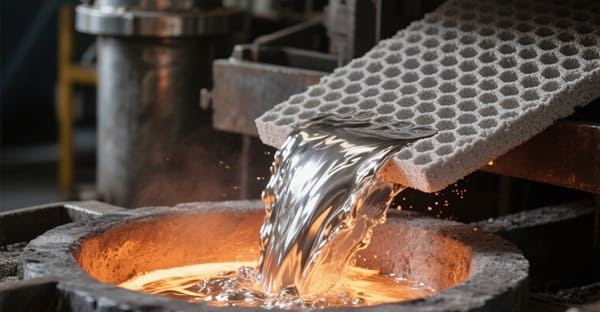
- Molten metal filtration – Removes inclusions and impurities from non-ferrous metals such as aluminum, copper, zinc, and magnesium during casting processes.
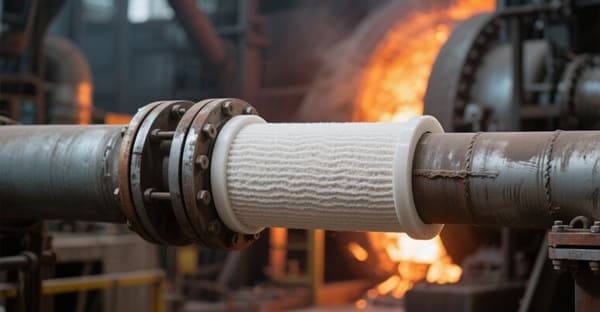
- High-temperature thermal insulation – Used as insulating panels or liners in industrial furnaces, kilns, and high-temperature reactors to reduce heat loss.
- Catalyst support – Provides a high-surface-area, chemically inert substrate for catalytic coatings in chemical processing and emission control systems.
- Gas diffuser and sparger – Distributes gases uniformly into liquids or molten metals, commonly used in metal refining and chemical reactors.
- High-temperature acoustic panels – Absorbs noise in exhaust systems, gas turbines, and industrial equipment operating at elevated temperatures.
- Hot gas filtration – Captures particulates from high-temperature gas streams in power generation, incineration, and chemical plants.
- Radiant burner media – Enhances combustion efficiency in gas-fired radiant burners for industrial heating applications.
- Biomedical scaffolds – Serves as a porous structure for bone tissue engineering and orthopedic implants due to its biocompatibility.
- Heat exchanger components – Increases heat transfer surface area in compact, high-temperature heat exchangers.
- Semiconductor processing – Used as a filtering or supporting component in high-purity, high-temperature environments such as diffusion furnaces.
- Refractory backing material – Provides additional thermal protection behind dense refractory linings in furnaces and ladles.
- Molten metal distribution – Controls and disperses molten metal flow evenly in continuous casting and foundry systems.
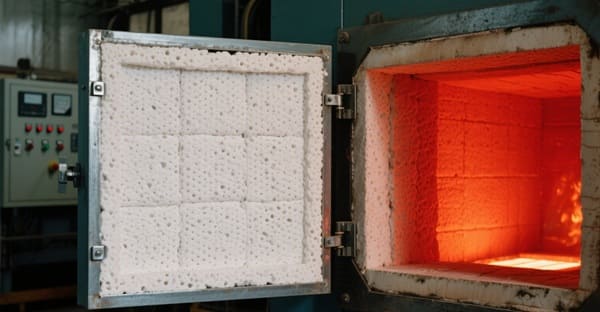
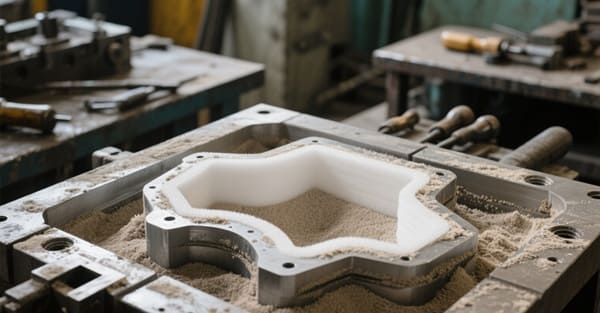
Alumina Ceramic Machining
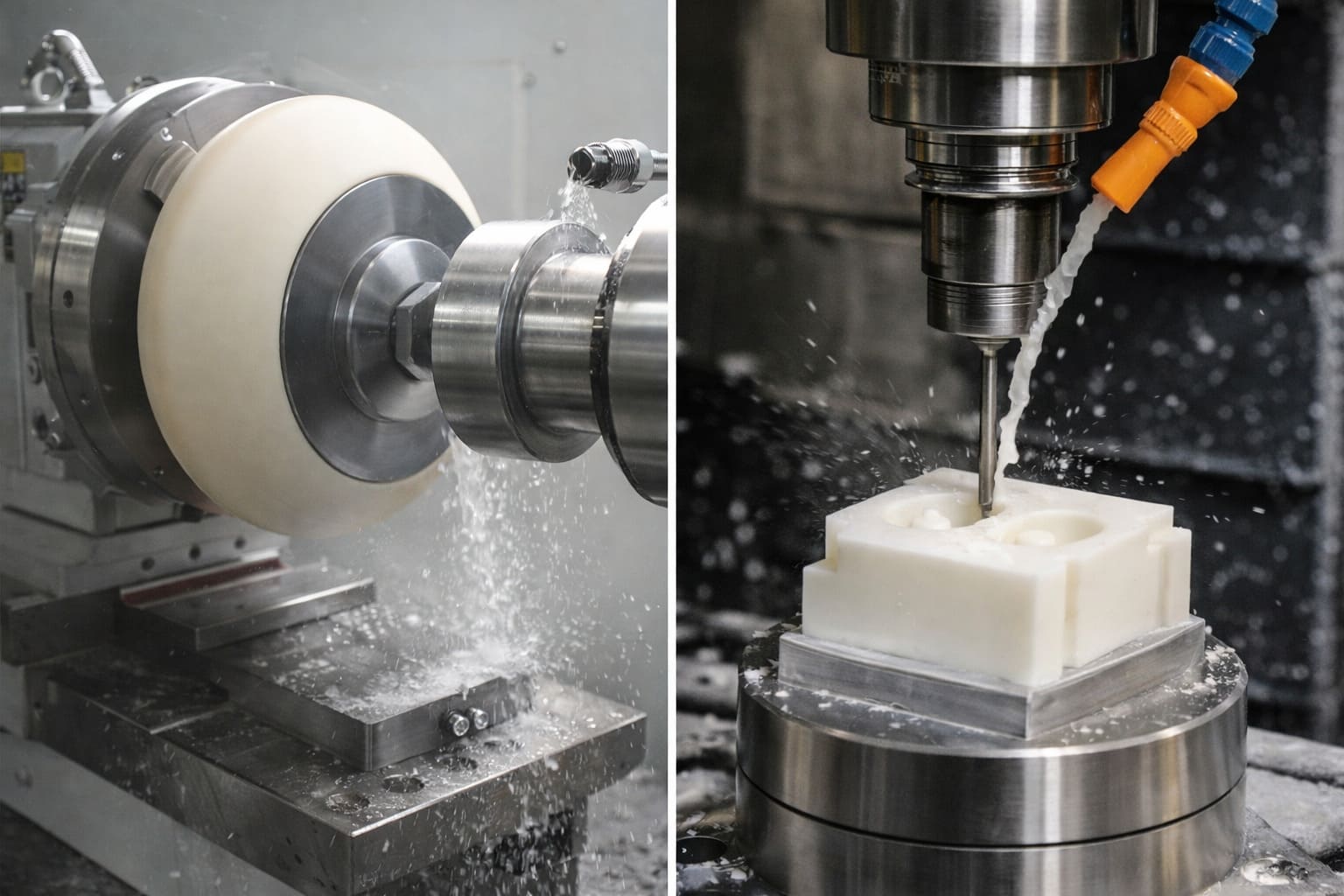
Alumina ceramics are produced through methods such as injection molding, die pressing, isostatic pressing, slip casting, and extrusion. After sintering and densification, machining requires diamond grinding techniques. Advanced Ceramic Hub utilizes cutting-edge green and biscuit machining technology to produce more complex components with traditional methods. Our advanced machining center includes drilling, grinding, milling, polishing, sawing, tapping, threading, and turning, enabling the manufacture of alumina ceramic components with tight tolerances and high complexity. During the machining process, the following precautions should be observed:
- Shrinkage Control: Alumina ceramics shrink by about 20% during sintering, requiring dimensional adjustments in the green body stage.
- Tolerance Control: Precise tolerances are unachievable in the green or pre-sintered state; fine machining should follow sintering.
- Diamond Grinding: Post-sintering, high-hardness alumina requires diamond grinding, as conventional methods fall short.
- Tool Selection: Diamond-coated tools or grinding wheels are essential to handle ceramic hardness and prevent tool damage.
- Temperature Control: Strict temperature management during sintering prevents cracking or deformation.
- Stress Management: Excessive stress during machining must be avoided to prevent brittle failure.
- Cutting Speed and Feed Rate: Controlled speeds and feeds ensure quality and extend tool life.
- Surface Treatment: Post-machining polishing removes defects, enhancing performance and appearance.
Alumina Ceramic Packaging
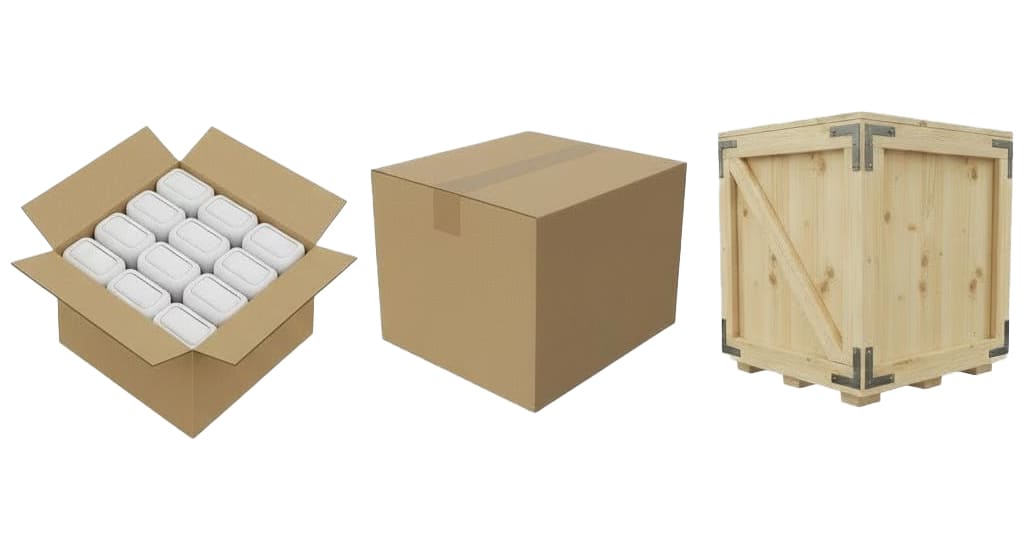
The Alumina Ceramic products are carefully placed in wooden cases or cartons with additional support from soft materials to prevent any shifting during transportation. This packaging method guarantees the integrity of the products throughout the delivery process.
Download
- SAFETY DATA SHEET (SDS) -Alumina Foam
FAQ
What is Alumina Foam used for?
Alumina Foam is primarily used for molten metal filtration, high-temperature thermal insulation, catalyst supports, gas diffusers, and acoustic panels in extreme environments.
What temperature can Alumina Foam withstand?
Depending on purity and density, Alumina Foam can withstand continuous operating temperatures from 1500°C to 1600°C, with short-term resistance up to 1700°C.
How does Alumina Foam filter molten metal?
Alumina Foam has an open-cell structure that traps inclusions and oxide particles as molten metal passes through, while allowing clean metal to flow freely, improving casting quality.
Can Alumina Foam be cut or shaped?
Yes, Alumina Foam can be easily cut, drilled, or machined into custom shapes such as discs, blocks, cylinders, and squares using standard carbide or diamond tooling.
Can Alumina Foam be used as a catalyst support?
Yes, Alumina Foam is an excellent catalyst support due to its high surface area, open-cell structure, thermal stability, and chemical inertness, ideal for chemical reactors and emission control systems.
Get A Quote
Request a personalized quote tailored to your specific requirements.