
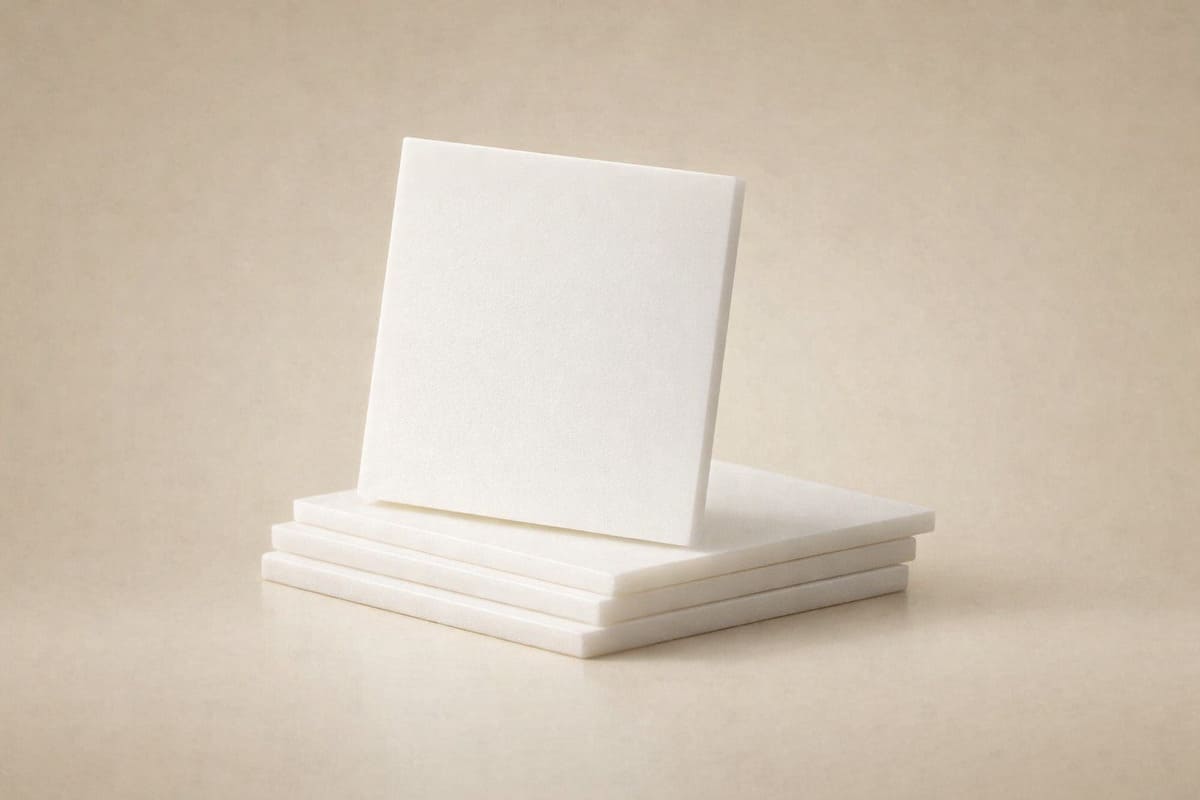
Alumina Substrate
- Custom and standard options available.
- Fast lead times guaranteed.
- High performance at a competitive price.
Alumina Substrate features high electrical insulation, good thermal conductivity, and excellent mechanical strength. It is widely used in thick-film and thin-film circuits, high-power LEDs, and electronic packaging. With outstanding chemical stability and high-temperature resistance, it offers reliable metal-film adhesion for demanding microelectronic applications.NexusX Advanced Materials, as a premier manufacturer and supplier of high-quality. Alumina (Al2O3) products, focuses on producing high-precision aluminum nitride silicon structural compenents through advanced technologies for diverse application fields.
Or email us at [email protected]
Alumina Substrate Data Sheet
Purity: | 95%, 96%, 99%, 99.5%, 99.7%, 99.95% |
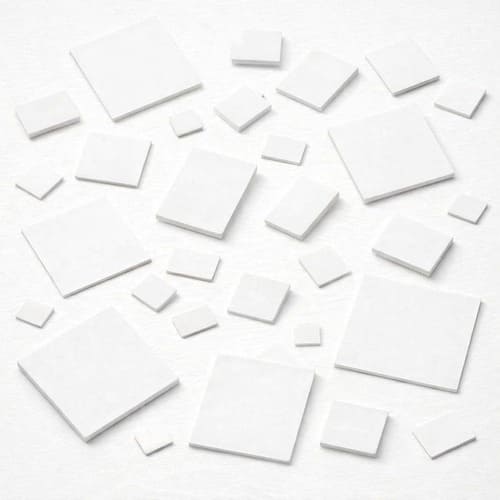
Dimensions: | 114.3×114.3 mm (4.5″×4.5″), 50.8×50.8 mm (2″×2″), or customized. |
Thickness: | 0.25-2.0 mm, or customized |
Color: | White or ivory |
Density: | 3.7-3.98 g/ cm3 |
Alumina Substrate Descriptions
Alumina substrate is a high-performance ceramic base material manufactured from high-purity aluminum oxide, offering exceptional electrical insulation, good thermal conductivity, and excellent mechanical strength. It is widely used in thick-film and thin-film circuits, high-power LED packages, RF modules, and other electronic packaging applications. Thanks to its outstanding chemical stability, high-temperature resistance, and strong metal-film adhesion, the alumina substrate ensures reliable performance in demanding microelectronic environments. Its precise dimensional control and smooth surface also support fine-line circuit patterning and high-density interconnects, making it an ideal choice for power electronics and advanced packaging solutions.
Alumina Substrate Specifications
Dimensions (length × width): | 114.3×114.3 mm (4.5″×4.5″), 50.8×50.8 mm (2″×2″), or customized. |
Thickness: | 0.25-2.0 mm, or customized |
Thermal conductivity: | 24 W/mK |
Dielectric constant: | 9-10 (MHz) |
Apparent density: | 3.7 g/ cm³ |
Surface roughness: | Ra: 0.03-0.7 μm |
Alumina Substrate Advantages
- High Electrical Insulation – Excellent dielectric strength and high volume resistivity, ensuring reliable isolation in electronic circuits.
- Good Thermal Conductivity – Efficiently dissipates heat from power devices, improving thermal management and component lifespan.
- High Mechanical Strength – Robust and rigid, resistant to bending and breaking during processing and assembly.
- Excellent Chemical Stability – Inert to most acids, alkalis, and solvents, suitable for harsh or corrosive environments.
- Strong High-Temperature Resistance – Maintains structural and electrical integrity at elevated temperatures (up to ~1600°C depending on purity).
- Good Metal-Film Adhesion – Compatible with thick-film and thin-film metallization processes for reliable circuit patterning.
- Tight Dimensional Tolerances – Supports fine-line printing, high-density interconnects, and precise die attachment.
- Cost-Effective – Lower material and processing cost compared to other ceramic substrates like AlN or BeO.
- Proven Reliability – Widely used in automotive, medical, telecom, and power electronics with long-term field performance data.
Alumina Substrate Applications
- Thick-Film and Thin-Film Circuits – Used as a base for hybrid microelectronic circuits, resistors, and capacitors.
- High-Power LED Packages – Provides thermal management and electrical isolation for LED chips and modules.
- RF and Microwave Modules – Supports RF power amplifiers, antennas, and other high-frequency components due to stable dielectric properties.
- Automotive Electronics – Applied in ignition modules, sensors, voltage regulators, and ABS controllers.
- Medical Devices – Used in pacemakers, hearing aids, and implantable or diagnostic electronic assemblies.
- Power Electronics – Serves as a substrate for IGBTs, MOSFETs, thyristors, and other power semiconductor modules.
- Electronic Packaging – Functions as a hermetic package base for ICs, crystal oscillators, and MEMS devices.
- Heaters and Thermal Printheads – Withstands high temperatures and provides a stable printing or heating surface.
- Thick-Film Resistors and Heaters – Acts as the supporting substrate for resistive pastes in sensor or heating applications.
- Telecommunications Infrastructure – Found in base stations, optical modules, and high-reliability networking equipment.




Alumina Ceramic Machining
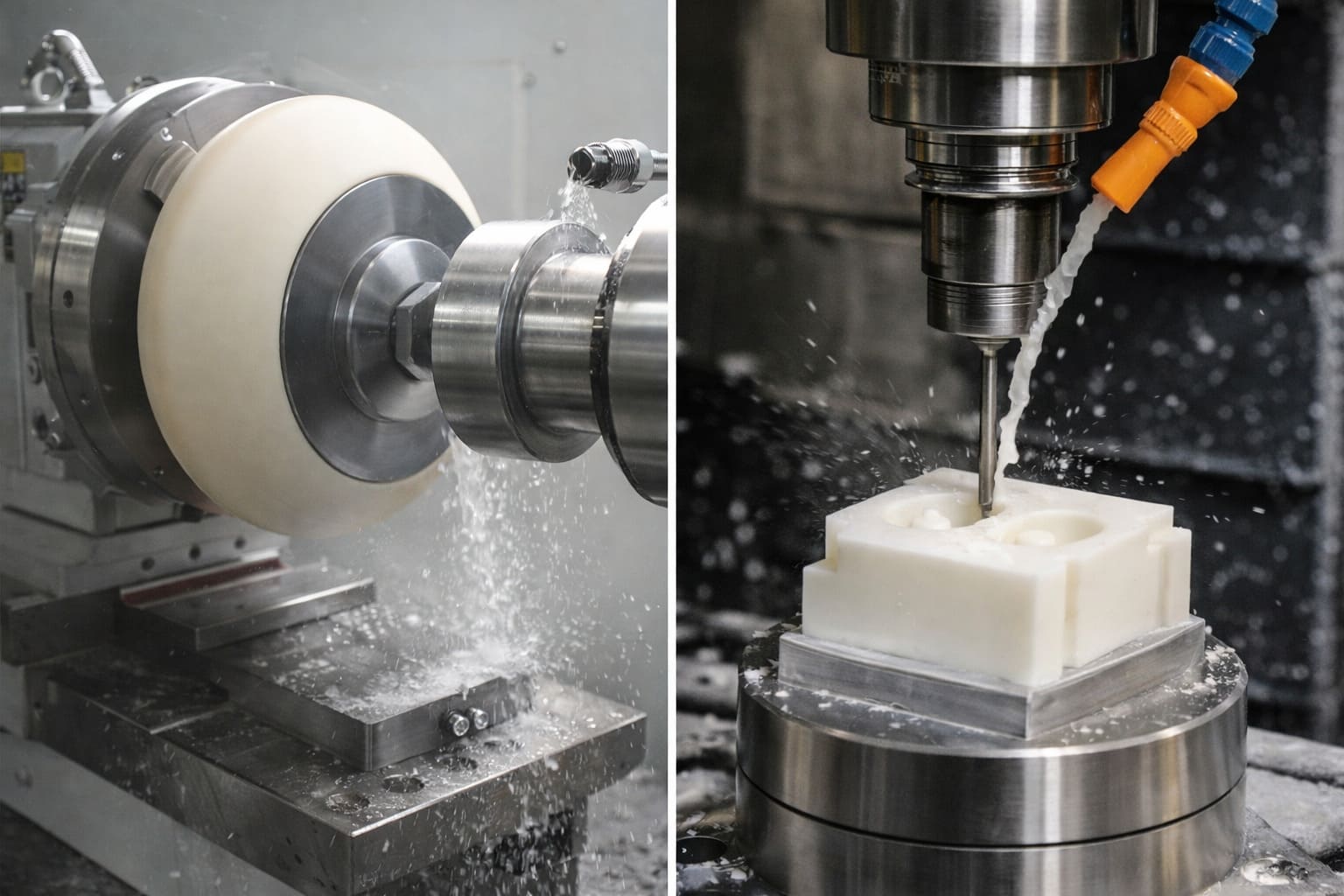
Alumina ceramics are produced through methods such as injection molding, die pressing, isostatic pressing, slip casting, and extrusion. After sintering and densification, machining requires diamond grinding techniques. Advanced Ceramic Hub utilizes cutting-edge green and biscuit machining technology to produce more complex components with traditional methods. Our advanced machining center includes drilling, grinding, milling, polishing, sawing, tapping, threading, and turning, enabling the manufacture of alumina ceramic components with tight tolerances and high complexity. During the machining process, the following precautions should be observed:
- Shrinkage Control: Alumina ceramics shrink by about 20% during sintering, requiring dimensional adjustments in the green body stage.
- Tolerance Control: Precise tolerances are unachievable in the green or pre-sintered state; fine machining should follow sintering.
- Diamond Grinding: Post-sintering, high-hardness alumina requires diamond grinding, as conventional methods fall short.
- Tool Selection: Diamond-coated tools or grinding wheels are essential to handle ceramic hardness and prevent tool damage.
- Temperature Control: Strict temperature management during sintering prevents cracking or deformation.
- Stress Management: Excessive stress during machining must be avoided to prevent brittle failure.
- Cutting Speed and Feed Rate: Controlled speeds and feeds ensure quality and extend tool life.
- Surface Treatment: Post-machining polishing removes defects, enhancing performance and appearance.
Alumina Ceramic Packaging
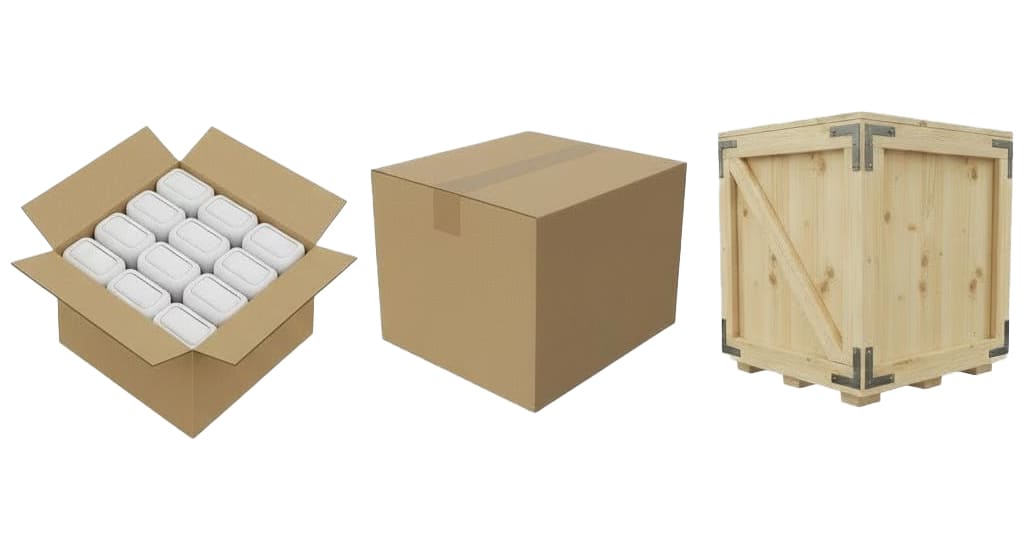
The Alumina Ceramic products are carefully placed in wooden cases or cartons with additional support from soft materials to prevent any shifting during transportation. This packaging method guarantees the integrity of the products throughout the delivery process.
Download
- SAFETY DATA SHEET (SDS) -Alumina Substrate
FAQ
What is Alumina Substrate?
Alumina substrate is a ceramic board made primarily of high-purity aluminum oxide (Al₂O₃), offering excellent electrical insulation, thermal conductivity, and mechanical strength for electronic packaging and circuit carriers.
Why is Alumina Substrate widely used in electronics?
Because it combines high insulation, good thermal conductivity, high-temperature resistance, chemical stability, and moderate cost, making it ideal for LEDs, power modules, and thick-film circuits.
What are the key properties of Alumina Substrate?
Key properties include high dielectric strength, thermal conductivity of ~20–30 W/(m·K), high mechanical strength, low dielectric loss, corrosion resistance, and good metal adhesion.
How does Alumina Substrate compare to Aluminum Nitride (AlN) Substrate?
AlN offers higher thermal conductivity (~170 W/(m·K)) for ultra-high-power dissipation, while alumina substrate is more cost-effective and mechanically stronger, making it the preferred choice for general applications.
How to choose the right Alumina Substrate for my application?
Choose based on power, frequency, and reliability needs: higher purity (99.6%) for high voltage, low loss for high frequency, good thermal conductivity for power, and 96% for cost-sensitive designs.
Get A Quote
Request a personalized quote tailored to your specific requirements.