
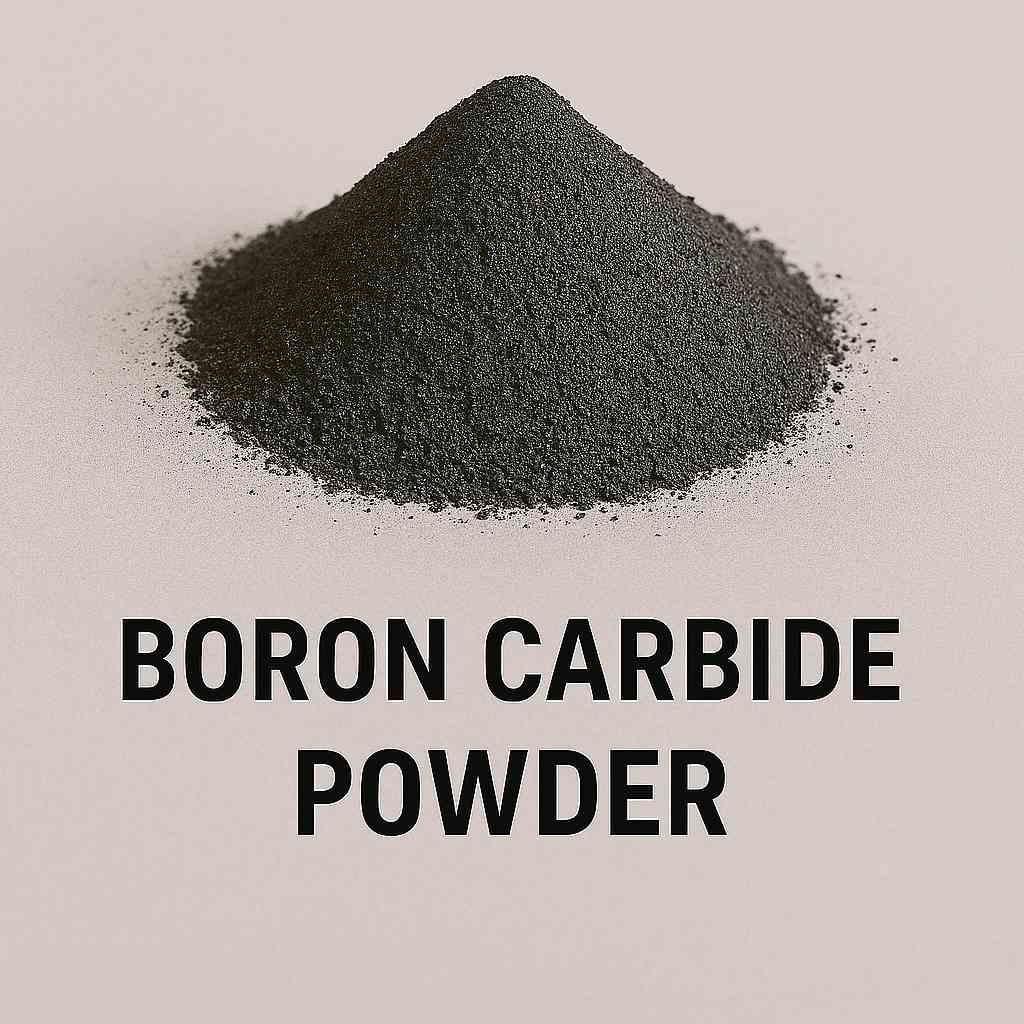
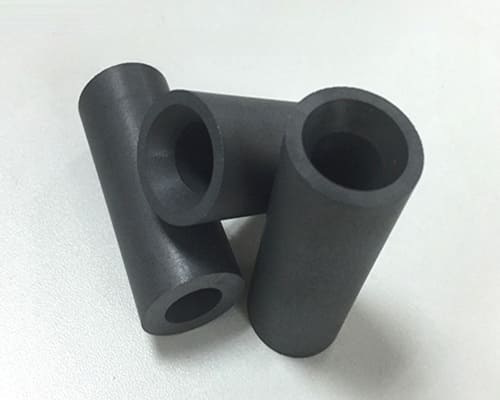
Boron Carbide Tube
- Custom and standard options available.
- Fast lead times guaranteed.
- High performance at a competitive price.
Or email [email protected]
Boron Carbide Tube Data Sheet
| Purity: | ≥99.5% |
| Apparence: | Black or grey |
| Chemical Formula: | B₄C |
| Density: | 2.46-2.62 g/cm³ |
Boron Carbide Tube Description
Boron carbide tubes are tubular inorganic non-metallic materials made from high-purity boron carbide powder as the core raw material, with a small amount of sintering aids added. The manufacturing process involves batching and mixing, extrusion or compression molding, high-temperature sintering at 1800-2200℃, and internal and external precision processing. These tubes not only retain boron carbide’s core advantages—such as a Mohs hardness of 9.3, resistance to most acids and alkalis, and efficient neutron absorption due to the boron-10 isotope—but also adapt to fluid transportation and signal transmission scenarios through their tubular structure. They are widely used as neutron detection tubes in the nuclear industry, transmission tubes for highly corrosive media in chemical engineering, and wear-resistant fluid channels under high-temperature working conditions, serving as niche yet critical functional tubes that combine protection and functionality.
Boron Carbide Tube Advantages
- Outstanding Hardness & Wear Resistance
- Strong Corrosion Resistance
- Efficient Neutron Absorption
- Tubular Structure Adaptability
- High-Temperature Stability
Boron Carbide Tube Applications
- Nuclear Industry
As neutron detector cores (utilizing boron-10’s absorption) and small nuclear facility shielding tubes, reducing radiation leakage. - Chemical Engineering
Conveys highly corrosive media (concentrated acids, slurries) via its chemical stability, preventing corrosion/contamination. - High-Temperature Equipment
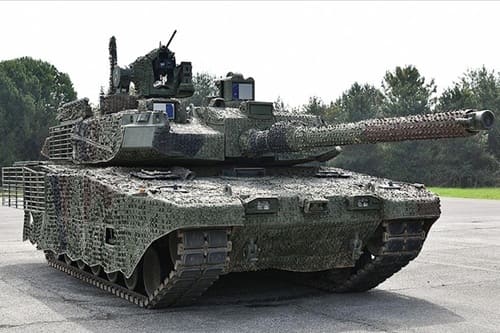
Serves as fluid channels in high-heat gear (sintering furnaces), with heat resistance and hardness avoiding wear/deformation. - Aerospace & Defense
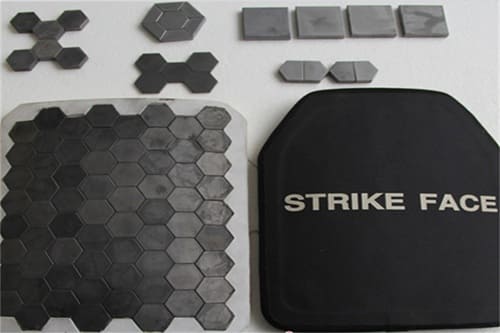
Makes lightweight protective tubes for aerospace sensors/military gear, resisting impact while cutting weight. - Precision Machining
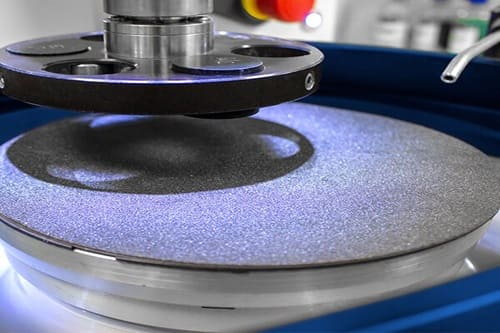
Acts as blasting nozzles/guide tubes for semiconductor polishing, ensuring stable flow and machining accuracy via wear resistance.

Boron Carbide Ceramic Packaging
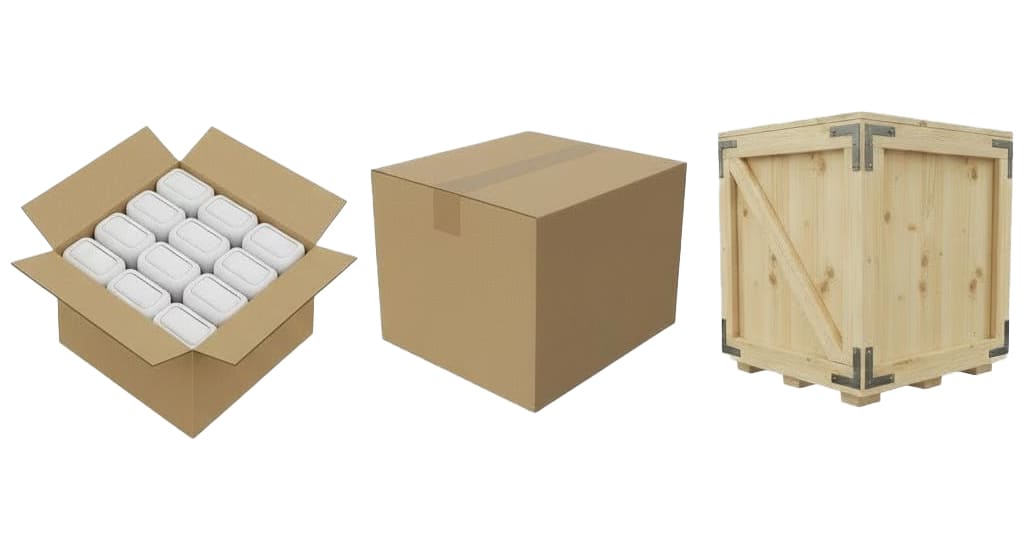
Boron Carbide ceramic products are typically packaged in vacuum-sealed bags to prevent moisture or contamination and wrapped with foam to cushion vibrations and impacts during transport, ensuring the quality of products in their original condition.
Download
- SAFETY DATA SHEET (SDS) -Boron Carbide Tube
FAQ
Why is boron carbide tube suitable for nuclear neutron detection?
What makes the boron carbide tube fit for conveying corrosive media in chemical engineering?
It has excellent chemical stability, resisting corrosion from most concentrated acids, alkalis and slurries, avoiding tube damage or media contamination.
Can the boron carbide tube work in high-temperature environments?
Yes. It stays stable up to ~2400℃ (inert atmosphere) with low thermal expansion, so it’s usable as fluid channels in high-heat equipment like sintering furnaces.
Why is the boron carbide tube used in aerospace protective tubes?
It combines high hardness (resisting impact/erosion) and low density, meeting aerospace’s strict lightweight and protection requirements.
What advantages does the boron carbide tube have as a precision machining blasting nozzle?
Get A Quote
Request a personalized quote tailored to your specific requirements.