
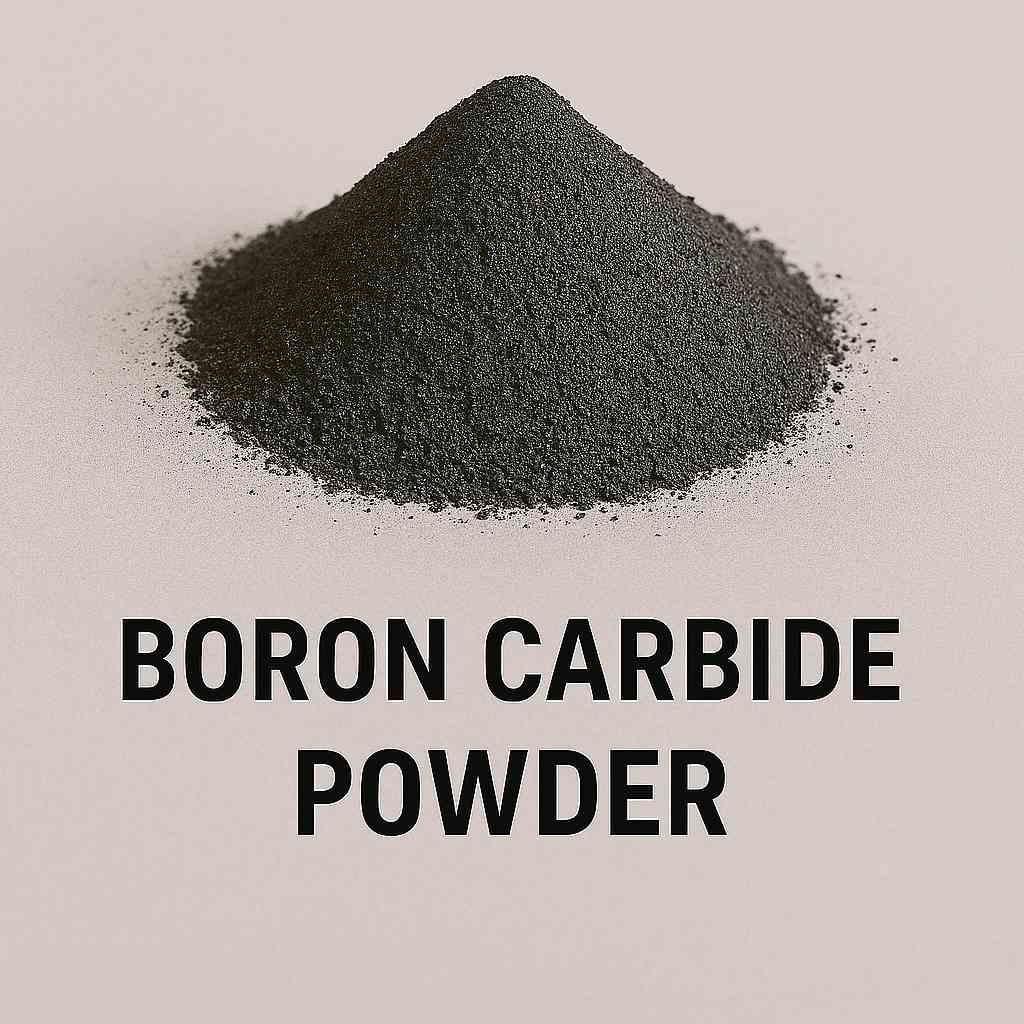
Boron Carbide Plate
- Custom and standard options available.
- Fast lead times guaranteed.
- High performance at a competitive price.
Boron Carbide Plate is made from high-purity boron carbide. It features ultra-high hardness (Mohs hardness 9.3), excellent wear resistance and corrosion resistance, as well as good neutron absorption performance. Suitable for bulletproof armor, nuclear industry shielding, wear-resistant components and other fields, they have a dense structure and high dimensional accuracy, adapting to various industrial scenarios. NexusX Advanced Materials, as a premier manufacturer and supplier of high-quality boron carbide products, focuses on producing high-precision boron carbide plates for diverse application fields.
Or email us at [email protected]
Boron Carbide Plate Data Sheet
| Purity: | ≥99.5% |
| Apparence: | Black or grey |
| Chemical Formula: | B₄C |
| Density: | 2.46-2.62 g/cm³ |
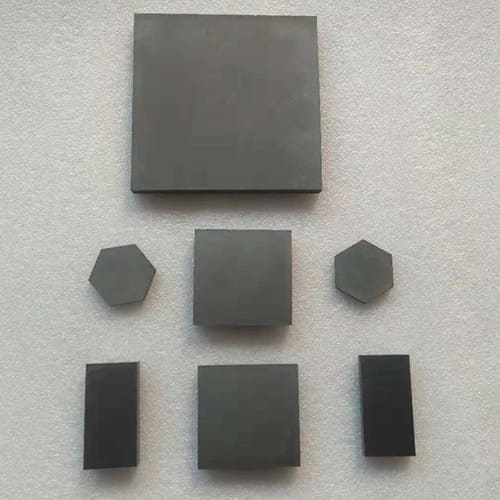
| Shape: | Squares, Hexagons, Triangles, etc. |
| Thickness: | 0.2-80 mm, or customized |
Boron Carbide Plate Description
Boron carbide plates, sheets, and discs are precision-manufactured components crafted from high-purity boron carbide powder via advanced sintering processes, ensuring uniform material distribution; renowned as one of the hardest synthetic materials (Mohs hardness 9.3, second only to diamond and cubic boron nitride), they boast exceptional wear resistance to withstand abrasive forces in high-friction environments, strong corrosion resistance against most acids, alkalis, and molten metals, and excellent neutron absorption capabilities—a key trait for nuclear industry applications. Featuring a dense, pore-free structure and tight dimensional tolerance (up to ±0.02mm for critical surfaces), these products excel in diverse high-demand scenarios, including bulletproof inserts for tactical armor, radiation shielding in nuclear reactors, wear-resistant liners for industrial pumps, and precision components in semiconductor manufacturing, while their lightweight nature (lower density than steel) further enhances usability across weight-sensitive projects.
Boron Carbide Plate Advantages
- Exceptional Hardness & Wear Resistance
- Superior Corrosion Resistance
- Excellent Neutron Absorption
- High Precision & Density
- Lightweight Advantage
Boron Carbide Plate Applications
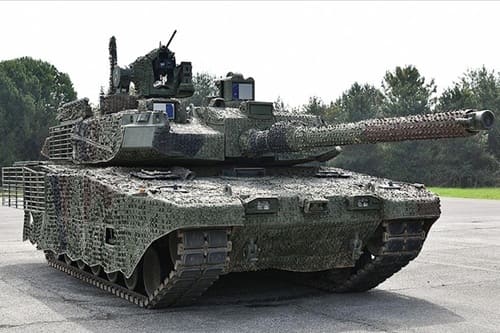
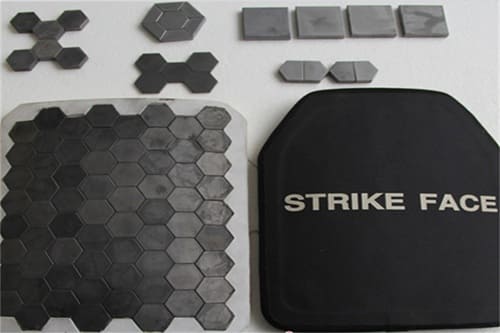
- Ballistic & Tactical Protection: Used to fabricate inserts for bulletproof vests, tactical helmets, and armored vehicle panels—its ultra-high hardness (Mohs 9.3) and lightweight nature balance protection and mobility, resisting high-velocity projectiles.
- Nuclear Industry Shielding: Serves as neutron-absorbing components (e.g., reactor core shields, spent fuel storage liners) due to its efficient neutron capture ability, ensuring safe radiation containment without generating long-lived radioactive waste.
- Industrial Wear-Resistant Parts: Manufactured into liners for ore-grinding equipment, pump impellers, and conveyor rollers—its exceptional wear resistance withstands abrasive materials (e.g., minerals, slurries), extending the service life of industrial machinery.
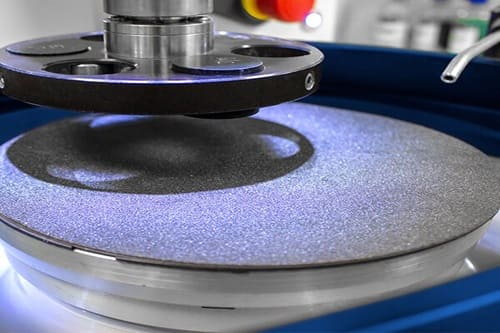
- Semiconductor & Precision Machining: Acts as precision lapping plates or cutting tools for semiconductor wafers and hard alloy parts—its dense, high-precision structure enables ultra-fine surface finishing, meeting microelectronics manufacturing standards.
- Aerospace & Defense Components: Integrated into lightweight structural parts for aircraft or spacecraft (e.g., engine wear pads, sensor protectors)—it combines hardness and low density, reducing vehicle weight while withstanding extreme aerospace environments.

Boron Carbide Ceramic Packaging
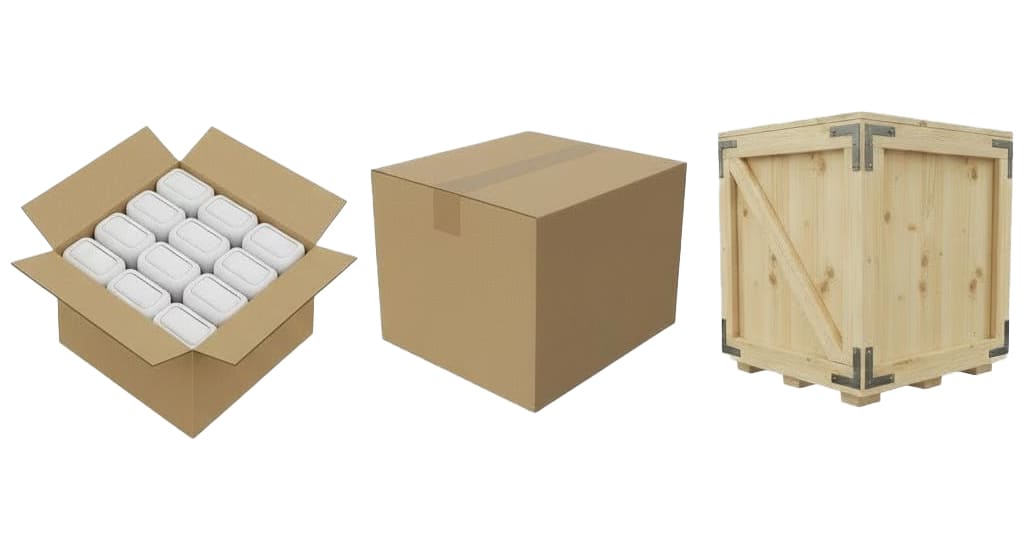
Boron Carbide ceramic products are typically packaged in vacuum-sealed bags to prevent moisture or contamination and wrapped with foam to cushion vibrations and impacts during transport, ensuring the quality of products in their original condition.
Download
- SAFETY DATA SHEET (SDS) -Boron Carbide Plate
FAQ
Why are boron carbide plates suitable for nuclear industry shielding?
How is the temperature resistance of boron carbide sheets?
Why are boron carbide discs used for semiconductor wafer polishing?
With high hardness (Mohs 9.3), dense surface and precise dimensions, they enable fine polishing of wafers to meet electronics manufacturing requirements.
Do boron carbide plates require special maintenance in harsh environments?
How does the lightweight feature of boron carbide sheets benefit ballistic protection?
With much lower density than steel, they reduce the weight of protective gear when made into bulletproof inserts. Meanwhile, their hardness is sufficient to resist high-velocity bullets, balancing protection and flexibility.
Get A Quote
Request a personalized quote tailored to your specific requirements.