
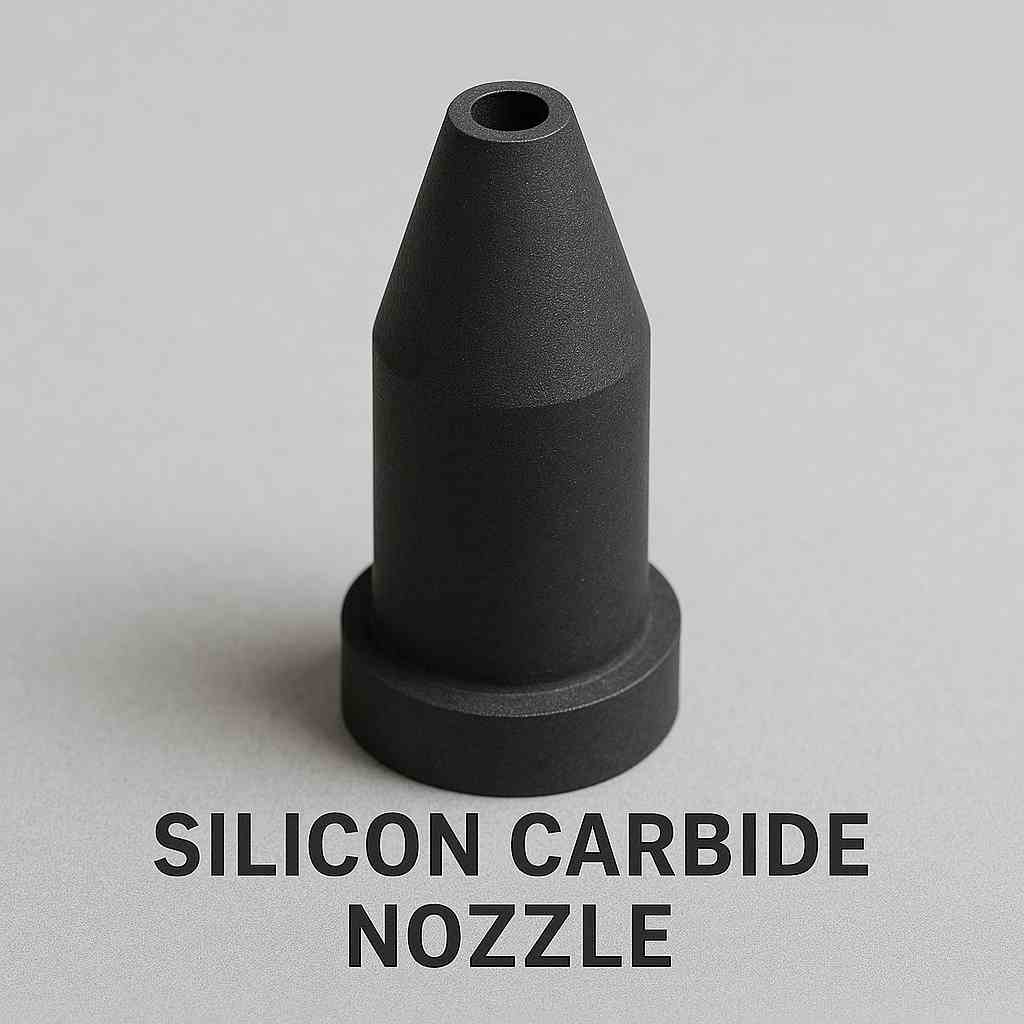
Silicon Carbide Nozzle
Silicon Carbide Nozzle is a high-performance industrial component made of high-purity SiC powder via precision molding, high-temperature sintering and fine finishing. It features ultra-high hardness, excellent high-temperature and corrosion resistance, as well as a low thermal expansion coefficient.
- Custom and standard options available.
- Fast lead times guaranteed.
- High performance at a competitive price.
Silicon Carbide Nozzle Data Sheet
Silicon Carbide Nozzle Description
Silicon Carbide (SiC) primarily exists in two crystal structures: the cubic β-SiC and the hexagonal α-SiC. Compared to other ceramics such as alumina (Al2O3) and boron carbide (B4C), SiC exhibits superior mechanical properties, better oxidation resistance, higher wear resistance, and a lower friction coefficient. Silicon Carbide Nozzle is made from high-purity reaction-bonded silicon carbide (RBSiC) or sintered silicon carbide (SSiC), featuring high-temperature resistance (1600-1800℃), wear resistance (Mohs 9.5), and corrosion resistance. It is widely applied in steel casting, chemical jetting, and PV cleaning applications. NexusX can supply high-precision silicon carbide nozzles with customized solutions for diverse industry and research applications.
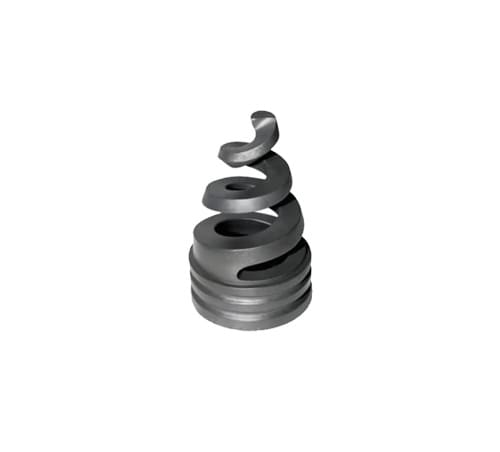
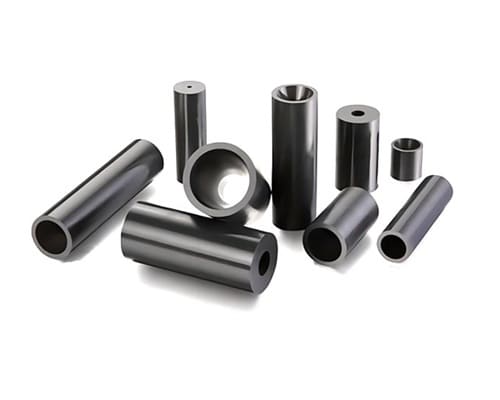
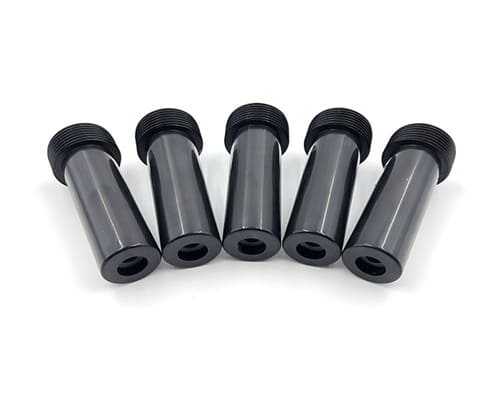
Silicon Carbide Nozzle Features
- High Temperature Resistance: Withstands temperatures above 1600°C.
- Corrosion Resistance: Suitable for acidic, alkaline, and molten metal environments.
- Wear Resistance: High hardness, long service life.
- Strong Stability: Reliable under extreme temperatures and pressures.
- High Thermal Conductivity: Improves work efficiency.
- Low Contamination: A Smooth surface reduces material contamination.
Silicon Carbide Nozzle Applications
- Metallurgical Industry: Used in steel and aluminum smelting processes, silicon carbide nozzles serve as flow conduits or injection devices for molten metals, improving melting efficiency and extending service life.
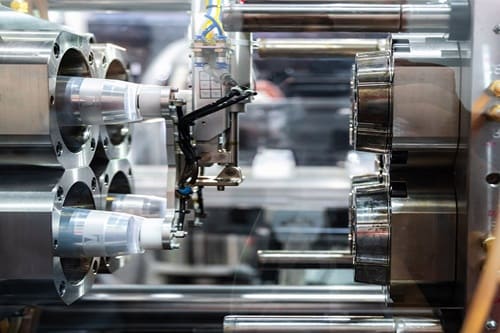
- Injection Molding: In industries like ceramics and glass, silicon carbide nozzles are used to inject molten materials, helping create uniform coatings or sprays.
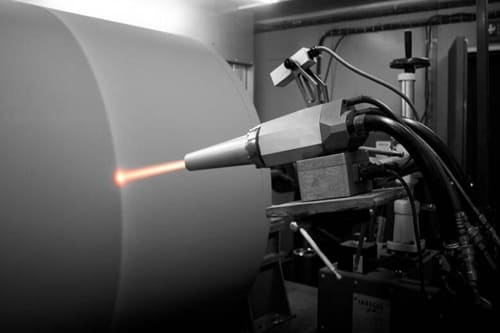
- Thermal Spray Technology: Silicon carbide nozzles are used in thermal spraying applications to apply coatings to metal surfaces, enhancing corrosion resistance and oxidation resistance, thanks to their high-temperature and wear-resistant properties.
- Chemical Industry: In high-temperature chemical reactions, silicon carbide nozzles are used for the injection of gases or liquids, able to withstand highly corrosive environments and maintain stability over long periods.


Silicon Carbide Nozzle Packaging
Silicon Carbide ceramic products are typically packaged in vacuum-sealed bags to prevent moisture or contamination and wrapped with foam to cushion vibrations and impacts during transport, ensuring the quality of products in their original condition.

Download
- SAFETY DATA SHEET (SDS) -Ti2CTx MXene Phase Powder
FAQ
What are the core advantages of silicon carbide nozzles compared with traditional material nozzles?
Thanks to their material properties, silicon carbide nozzles have ultra-high hardness, excellent high temperature and corrosion resistance, strong anti-clogging performance and long service life, with overall performance far superior to metal or ordinary ceramic nozzles.
What are the main application scenarios of silicon carbide nozzles?
Silicon carbide nozzles are mainly used in harsh industrial working conditions such as chemical desulfurization spraying, metallurgical high-temperature dust removal, lithium battery material coating and mining material atomization.
What is the basic preparation process of silicon carbide nozzles?
Silicon carbide nozzles are made from high-purity silicon carbide powder, through precision molding, high-temperature sintering and precision finishing of flow channels, and finally formed into finished products that meet the required precision standards.
What are the key performance indicators for measuring the quality of silicon carbide nozzles?
he key indicators include hardness, high temperature resistance range, corrosion resistance, as well as the precision and smoothness of internal flow channels.
What are the shortcomings of silicon carbide nozzles in practical applications?
The disadvantages lie in the high brittleness of the material, poor impact resistance, relatively high manufacturing cost and great difficulty in precision processing.
Get A Quote
Request a personalized quote tailored to your specific requirements.