
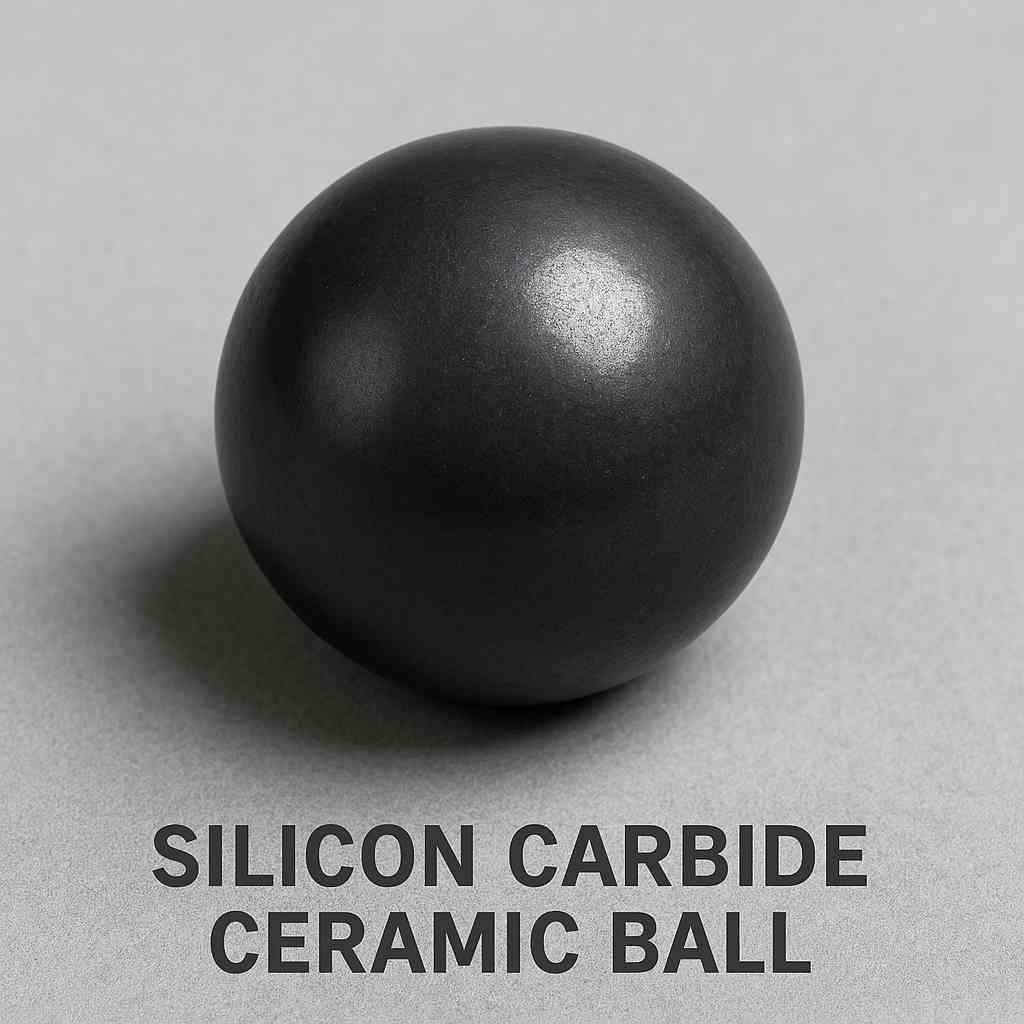
Silicon Carbide Ceramic Ball
- Custom and standard options available.
- Fast lead times guaranteed.
- High performance at a competitive price.
The silicon carbide ceramic ball is a high-performance industrial material known for its exceptional hardness, wear resistance, and corrosion resistance. It is widely used in bearings, mechanical seals, and high-temperature environments, maintaining stable performance under extreme conditions. With a smooth surface and dense structure, it is an ideal choice for precision engineering and advanced manufacturing applications.
Silicon Carbide Ceramic Ball Data Sheet
| Purity: | ≥99% |
| Color: | Black or Dark grey |
| Chemical Formula: | SiC |
| Material Grades: | Reaction Bonded SiC, Pressureless Sintered SiC, Hot-pressed SiC, etc. |
| Density: | >3.2 g/cm³ |
| Maximum Operating Temperature: | 1600℃ |
| Diameter: | φ0.8-φ25.4 mm, or customized |
| Precision Grade: | G10,G16,G20,G40,G60,G100 |
Silicon Carbide Ceramic Ball Description
The silicon carbide ceramic ball is a high-performance material made from silicon carbide, featuring exceptional hardness and wear resistance. It can maintain stable performance in high-temperature and highly corrosive environments, and is commonly used in bearings, valves, and seals. With its dense structure and smooth surface, it significantly reduces friction loss and extends equipment lifespan, making it an ideal choice for precision engineering and advanced manufacturing.NexusX can supply high-precision silicon carbide trays with various specifications and customized solutions for diverse industry and research applications.
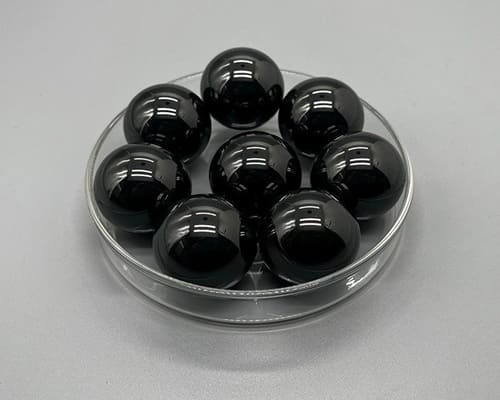
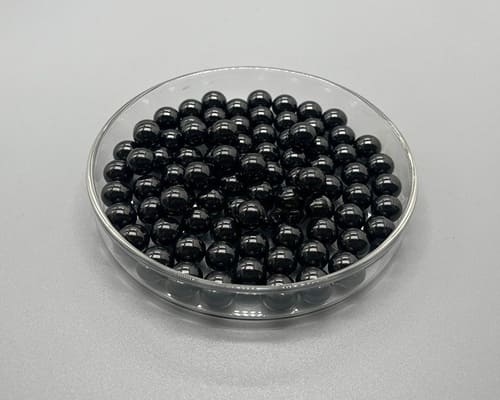
Silicon Carbide Ceramic Ball Features
- High rigidity, strength, and hardness.
- Exceptional corrosion resistance, usable in strong acids and alkalis.
- Heat resistant, stable below 1000°C.
- Low density (3.2g/cm³), 60% lighter than steel, reducing wear and noise.
- Low thermal expansion (3.2×10⁻⁶/K), 1/4 that of bearing steel, withstands temperature fluctuations.
- Self-lubricating, suitable for vacuum and high-temperature use.
- Excellent chemical resistance and high mechanical strength.
Silicon Carbide Ceramic Ball Applications
- Mechanical Seals: Used in mechanical seals for high-temperature and high-pressure environments, offering excellent wear resistance and corrosion resistance.
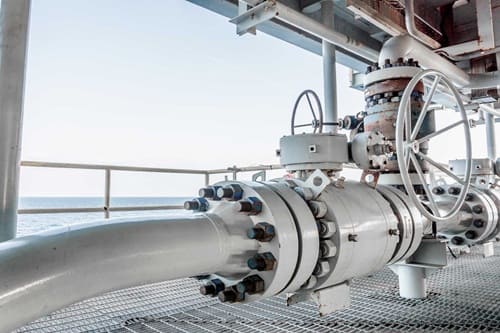
- Pumps and Valves: Used in core components of pumps and valves to enhance durability and performance.
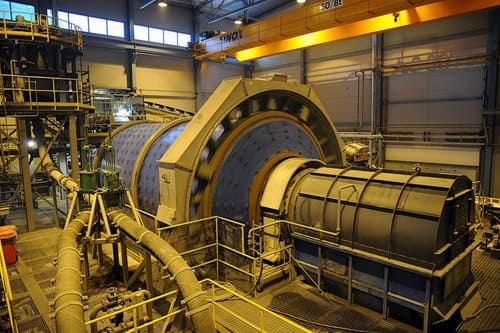
- Ball Milling and Grinding: Used as grinding media in ball mills, offering high hardness and wear resistance.
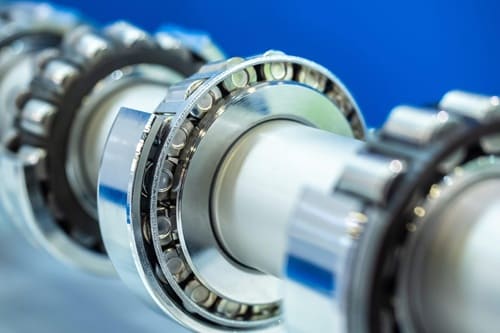
- Bearings: Used in high-performance bearings to reduce friction and improve efficiency, commonly found in aerospace and other industries.
- Heat Exchangers: Due to its excellent thermal conductivity, silicon carbide ceramic balls are used in heat exchangers to improve heat transfer efficiency.
- Electronic Components: Used in high-performance electronic devices for good thermal stability and electrical insulation.

Silicon Carbide Tray Packaging
Silicon carbide foam filter products are typically packaged in vacuum-sealed bags to prevent moisture or contamination and wrapped with foam to cushion vibrations and impacts during transport, ensuring the quality of products in their original condition.

Download
- SAFETY DATA SHEET (SDS) -Silicon Nitride Custom Parts
FAQ
What are the core advantages of silicon carbide ceramic balls compared with traditional metal balls?
Silicon carbide ceramic balls have ultra-high hardness, lightweight high strength, excellent chemical stability and good thermal stability, outperforming traditional metal balls in wear resistance, inertia reduction, corrosion resistance and stable performance under extreme temperatures.
What are the main application fields of silicon carbide ceramic balls?
Silicon carbide ceramic balls are widely used in precision bearings, mechanical sealing, grinding and polishing, aerospace equipment and new energy industry components that require high performance in harsh working conditions.
What is the main preparation process of silicon carbide ceramic balls?
The main preparation process includes preparing high-purity silicon carbide slurry, forming green bodies via cold isostatic pressing or injection molding, drying and degreasing, high-temperature sintering and precision finishing to meet dimensional and surface requirements.
What are the key performance indicators of silicon carbide ceramic balls that affect their application?
Key performance indicators include hardness and wear resistance, density and porosity, roundness and surface roughness, bending strength and fracture toughness, as well as thermal conductivity and thermal expansion coefficient.
What are the limitations and challenges of silicon carbide ceramic balls in practical application?
Get A Quote
Request a personalized quote tailored to your specific requirements.