
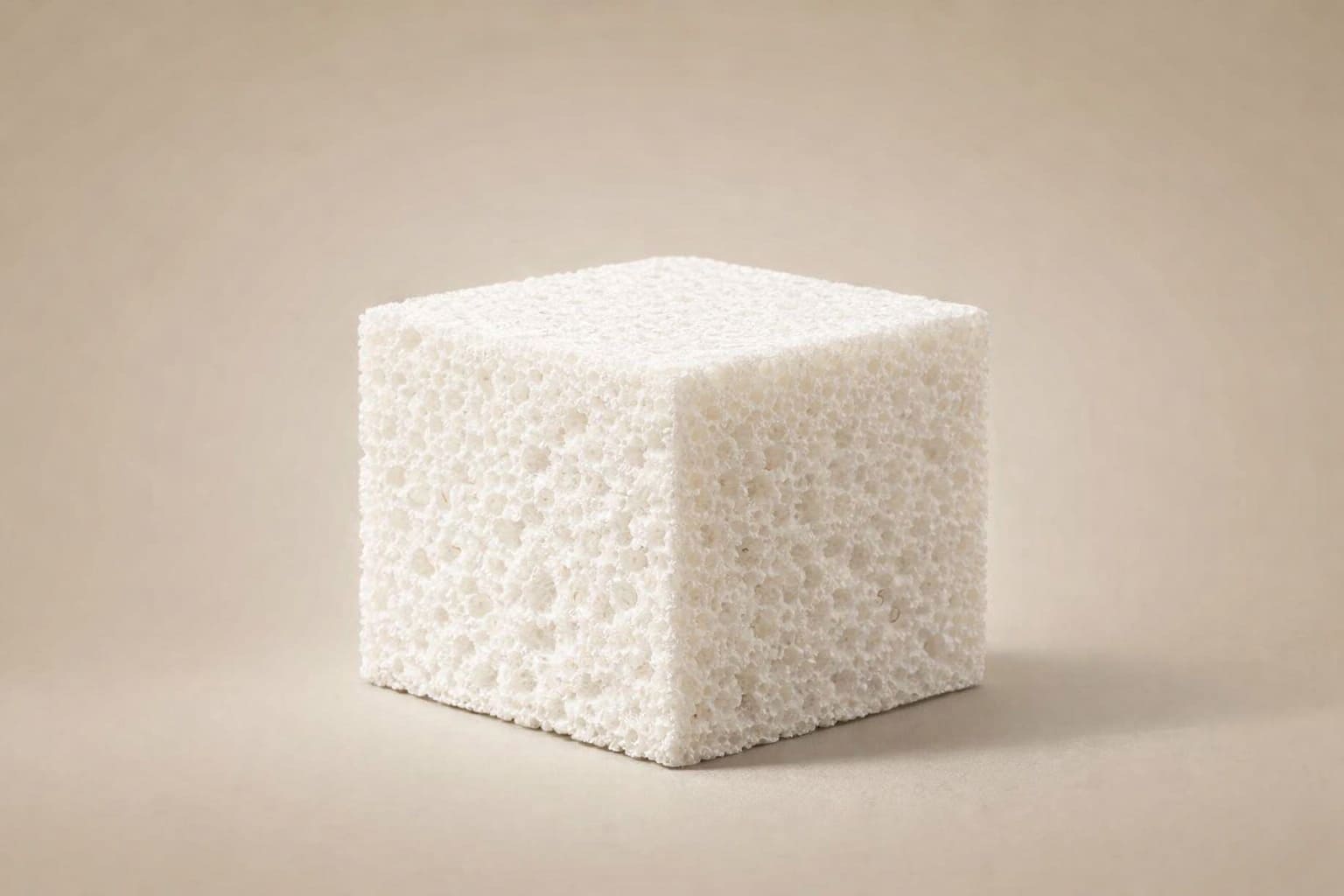
Magnesia Foam
- Custom and standard options available.
- Fast lead times guaranteed.
- High performance at a competitive price.
Magnesia foam: high-purity MgO porous ceramic with 3D interconnected network. Combines high melting point & chemical stability with lightweight, insulation, and permeability. Used in kiln linings, molten metal filtration, and catalyst supports under extreme thermal/corrosive conditions.NexusX Advanced Materials, as a premier manufacturer and supplier of high-quality Magnesium Oxide (MgO) products, focuses on producing high-precision aluminum nitride silicon structural compenents through advanced technologies for diverse application fields.
Or email us at [email protected]
Magnesia Foam Data Sheet
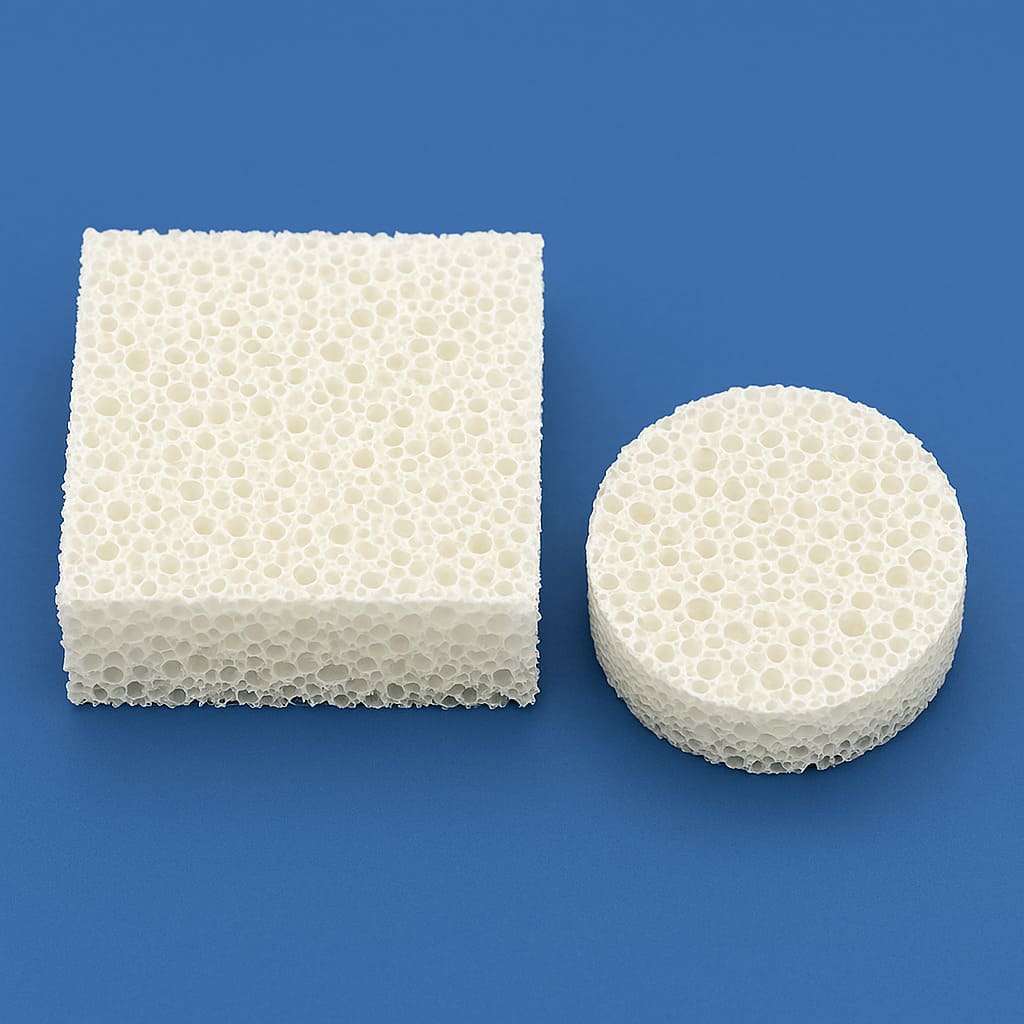
| Shape: | Round, Square |
| Pore Density (PPI): | 8–40 |
| Chemical formula: | MgO |
| Porosity (%): | 80–90 |
| Refractoriness (°C): | 1100 |
| Bending Strength (MPa): | 0.6 |
| Compression Strength (MPa): | 0.8 |
| Thermal Shock Resistance: | 6 times (1100°C to room temperature) |
| Applicable Alloys: | Nickel and high-activity alloys |
Magnesia Foam Description
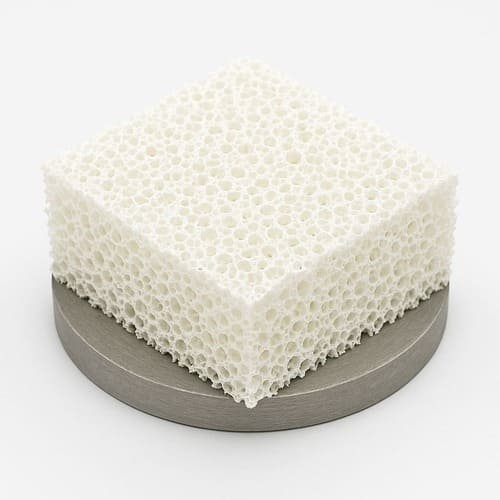
Magnesia foam is an advanced porous ceramic material based on high-purity magnesium oxide, featuring a unique three-dimensional interconnected open-cell structure. Manufactured through specialized foaming and high-temperature sintering processes, it perfectly inherits the intrinsic superior properties of magnesia, including an extremely high melting point, excellent chemical inertness, and remarkable thermal shock resistance. This structure endows the material with a combination of lightweight, high porosity, low thermal conductivity, and good permeability, typically presenting a white or off-white appearance due to its primary chemical composition. Consequently, magnesia foam serves as an ideal functional material for extreme high-temperature environments, primarily used in energy-efficient insulation linings for high-performance kilns, deep filtration and purification of molten metals, and as catalyst supports requiring exceptional resistance to heat and corrosion.
Magnesia Foam Features
- Lightweight Porous Structure: Features a low-density, high-porosity three-dimensional network skeleton, making it exceptionally lightweight.
- Excellent Thermal Insulation: Extremely low thermal conductivity enables highly efficient insulation in high-temperature environments.
- High-Temperature Resistance & Thermal Stability: With a melting point exceeding 2800°C, it can operate stably at temperatures above 1600°C for extended periods.
- Strong Chemical Inertia: Exhibits good resistance to corrosion from most acidic and alkaline melts as well as molten metals.
- Good Permeability: The open-cell structure allows gases or liquids to pass through, making it suitable for filtration and carrier applications.
- Adjustable Mechanical Properties: Strength and brittleness can be balanced by adjusting composition and porosity.
- Easy to Process and Shape: Can be manufactured into products of various shapes and sizes according to requirements.
Magnesia Foam Applications
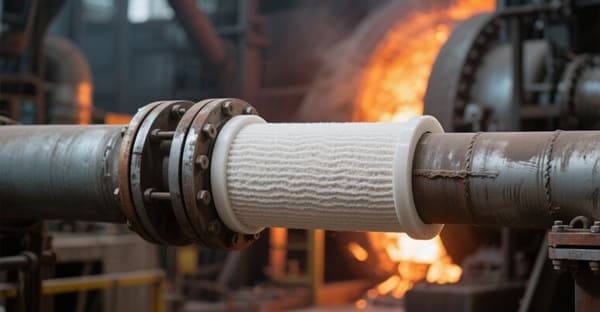
- High-Temperature Industrial Insulation: Serves as energy-saving insulation lining and backing material for high-temperature kilns in the steel, ceramics, and glass industries, effectively reducing heat loss.
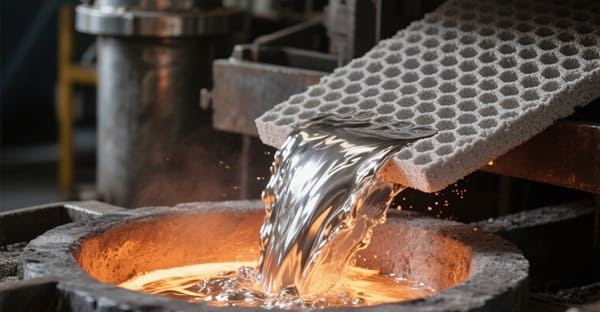
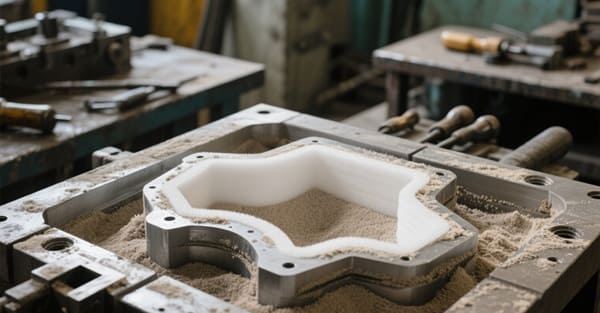
- Molten Metal Filtration: Used in foundries to filter non-metallic inclusions from melts such as aluminum alloys and molten steel, significantly improving casting purity and performance.
- Catalysis and Chemical Reaction Engineering: Acts as a high-temperature and corrosion-resistant catalyst support for applications like automotive exhaust purification and high-temperature chemical synthesis.
- Specialty Material Fabrication: Used as a preform for manufacturing metal-matrix or ceramic-matrix composites via melt infiltration techniques to produce lightweight, high-strength components.
- Environmental Protection and Energy: Applied in high-temperature flue gas filtration, as porous media for molten salt thermal energy storage systems, and as sound-absorbing material in specialized environments.
- Laboratory and R&D: Utilized in scientific research for high-temperature experimental setups, such as insulation devices, sample holders, or as a model material with specific pore structures.

Magnesium Oxide Ceramic Packaging
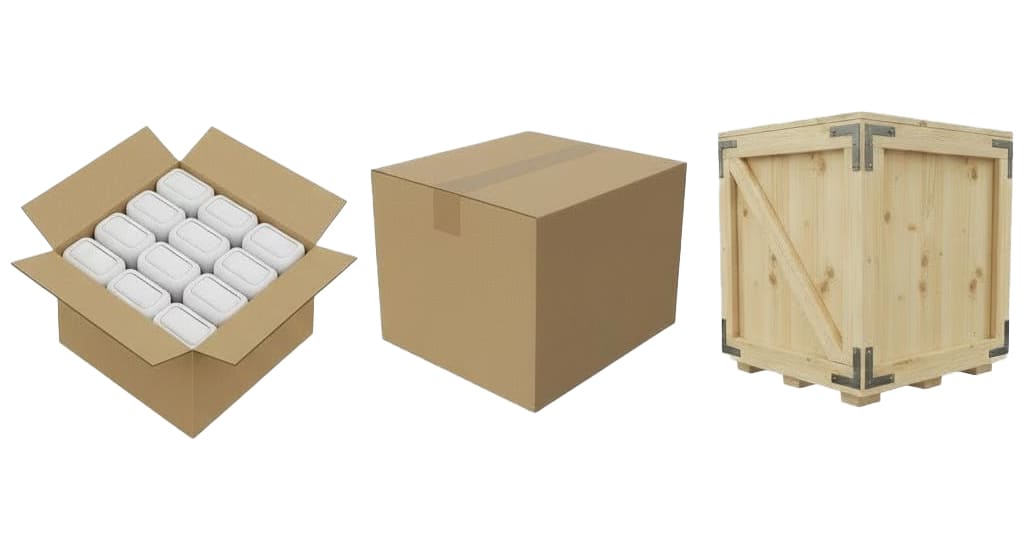
Magnesium oxide ceramic products are typically packaged in vacuum-sealed bags to prevent moisture or contamination and wrapped with foam to cushion vibrations and impacts during transport, ensuring the quality of products in their original condition.
Download
- SAFETY DATA SHEET (SDS) -Magnesia Foam
FAQ
What is Magnesia Foam, and what is it made of?
Magnesia Foam is an advanced porous ceramic material characterized by a three-dimensional interconnected open-cell structure, primarily composed of high-purity magnesium oxide. It is manufactured by combining a magnesium-based ceramic slurry with a foaming agent, followed by shaping and high-temperature sintering.
What are the most prominent features of Magnesia Foam?
Its most prominent features are the combination of ultra-high temperature resistance and excellent thermal insulation. It inherits the high melting point (>2800°C) of magnesia, while its foam structure provides extremely low thermal conductivity and lightweight properties.
Compared to traditional ceramic fiber blankets, what are its advantages?
It offers higher structural strength, better resistance to gas flow erosion, and corrosion resistance. It generates less dust, has a longer service life, and maintains dimensional stability at higher temperatures.
What is the special purpose of its “open-cell” structure?
The open-cell 3D network structure allows for the controlled permeation of gases or liquids while providing insulation. This makes it ideal for functional applications like molten metal filtration, gas distribution, and catalyst supports.
What are the key parameters when selecting Magnesia Foam?
Key parameters include: maximum service temperature, porosity/bulk density, compressive strength at room and high temperatures, thermal conductivity, pore size and distribution, and chemical purity.
Get A Quote
Request a personalized quote tailored to your specific requirements.