
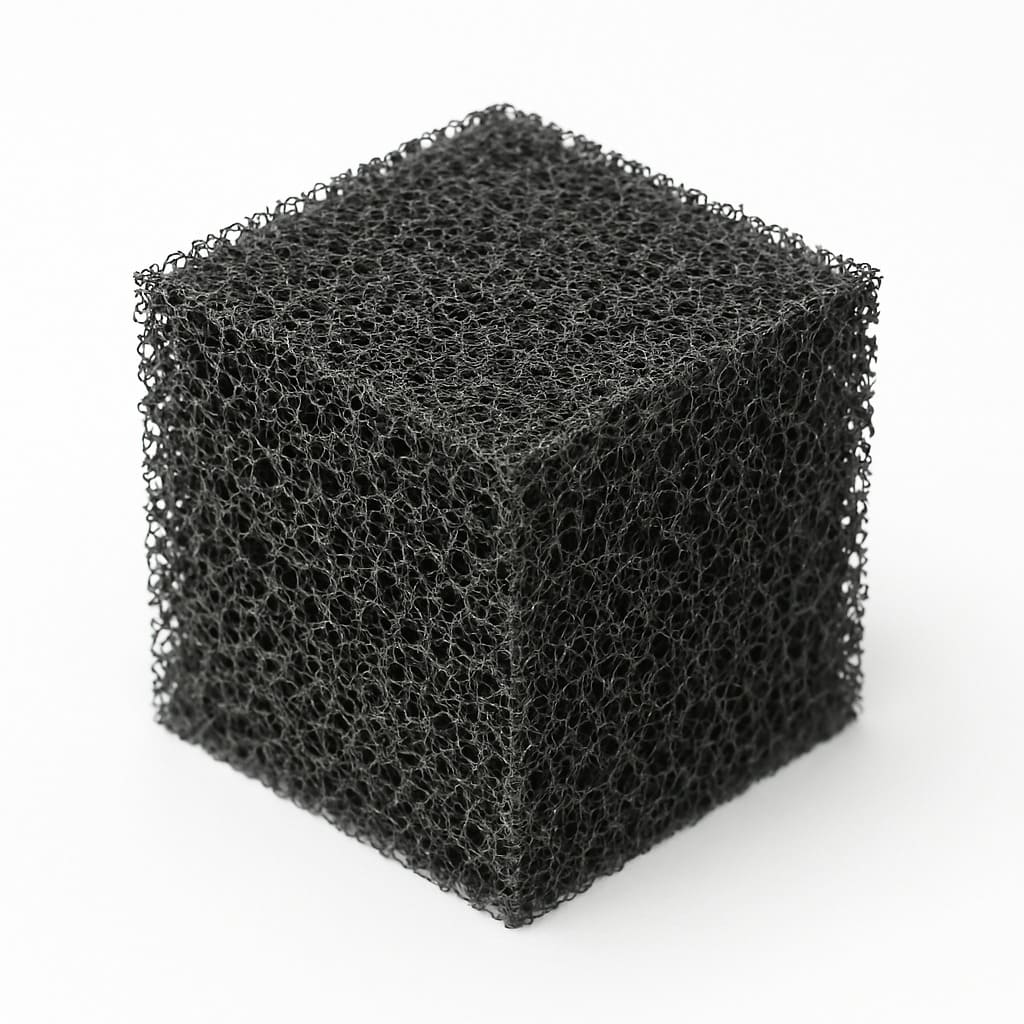
3D Graphene Foam
Three-dimensional graphene foam is a porous, lightweight carbon nanomaterial formed by interconnected graphene sheets into a continuous 3D network. It retains graphene’s excellent conductivity, strength, and large surface area while adding unique structural advantages: high elasticity, rapid mass transport, and strong adsorption. These properties make it highly promising for applications in energy storage (batteries, supercapacitors), sensors, catalysis, and advanced composites.
- Custom and standard options available.
- Fast lead times guaranteed.
- High performance at a competitive price.
3D Graphene Foam Data Sheet
| Purity: | 99.5% |
| Size | 100*100mm, or customized |
| Thickness | 1.2 mm-1.6 mm |
| Density | 4 mg/cm3 |
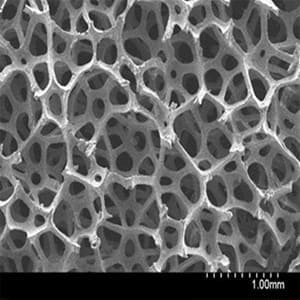
| Pore Size | 580μm |
| Surface density | 0.5-0.9 mg/cm2 |
| Branch size | 50-200 μm |
| Thermal Conductivity | >6 W/(m2k) |
| Cell Size (PPI) | 110, or customized |
3D Graphene Foam Description
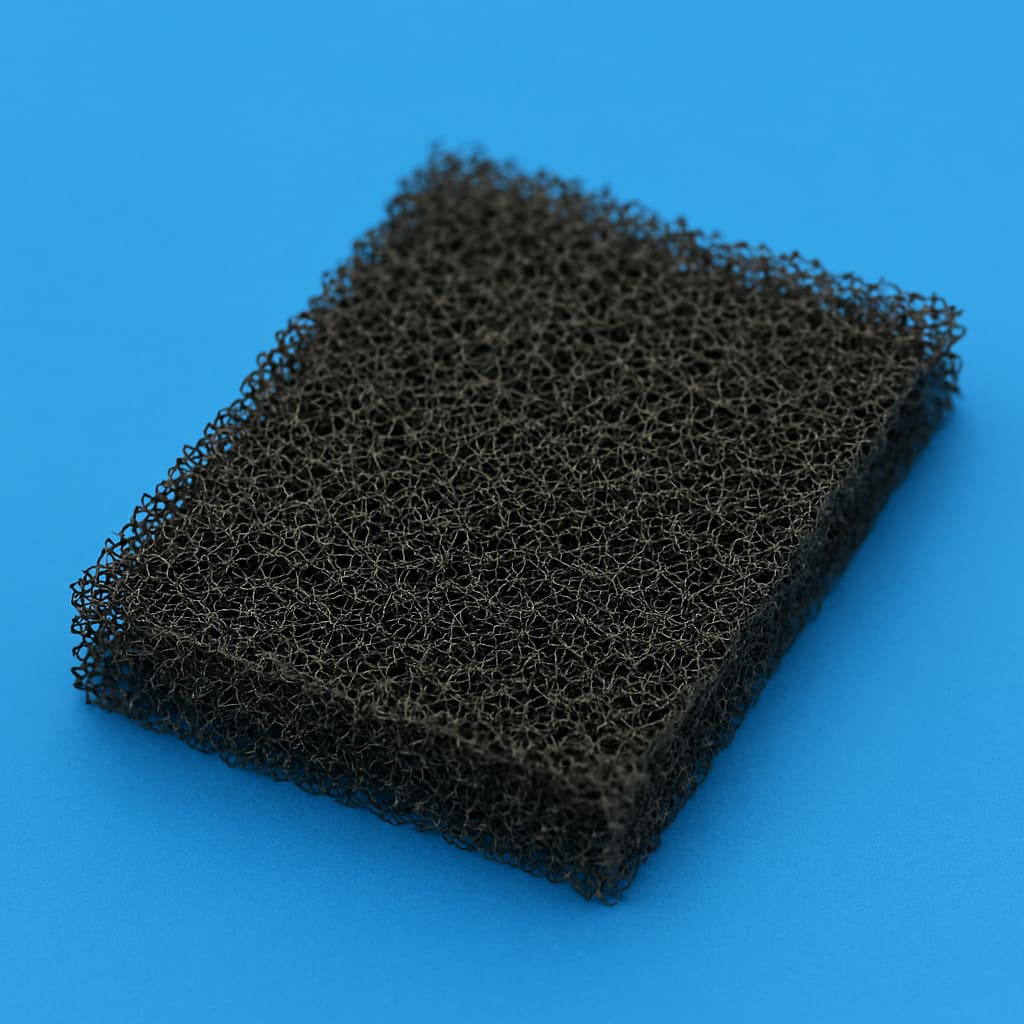
3D graphene foam is a macroscopic bulk material characterized by a continuous porous network structure, constructed through methods such as chemical vapor deposition or hydrothermal self-assembly to form an interconnected three-dimensional framework from two-dimensional graphene sheets. This architecture preserves the nanoscale properties of graphene—including high electrical conductivity, remarkable mechanical strength, and an extremely large specific surface area—while introducing macroscopic advantages such as ultra-low density, high compressible elasticity, and rapid mass transport pathways. Its open hierarchical pore structure provides efficient three-dimensional channels for electron transfer, ion diffusion, and chemical reactions. These characteristics enable transformative potential in applications ranging from flexible electronics and high-energy-density battery electrodes to efficient catalytic supports, sensitive pressure sensors, and environmental adsorption materials, making it a critical bridge connecting the exceptional properties of nanomaterials with practical macroscopic applications.
3D Graphene Foam Features
- Mechanical Elasticity – Excellent compressibility and shape recovery due to its continuous 3D network.
- High Conductivity – Provides efficient 3D pathways for electron transport.
- Large Accessible Surface Area – Open porous structure offers abundant active sites and facilitates mass transfer.
- Ultralight – Extremely low density enhances performance-to-weight ratio.
- Tailorable Porous Structure – Adjustable pore size and architecture for specific application needs.
- Multifunctional Platform – Easily combined with other materials to create advanced composites.
- Efficient Heat Dissipation – High thermal conductivity supports thermal management uses.
- Chemical & Thermal Stability – Resists degradation in demanding environments.
- Freestanding Scaffold – Serves as an integrated, binder-free framework for device fabrication.
- Enhanced Mass & Charge Transfer – Short diffusion paths improve reaction and transport efficiency.
3D Graphene Foam Applications
- Energy Storage Electrodes – Used as binder-free electrodes for supercapacitors and batteries, enhancing capacity and charge/discharge rates.
- Highly Sensitive Sensors – Applied in pressure, strain, and gas sensors where structural deformation causes measurable electrical changes.
- Catalyst Supports – Serves as an ideal 3D scaffold for nanocatalysts (e.g., in hydrogen evolution), improving efficiency and stability.
- Advanced Adsorbents – Efficiently removes oils, heavy metals, and organic pollutants from water due to its high surface area and tunable wettability.
- Multifunctional Composites – Reinforces polymers or metals to create lightweight materials with high strength, conductivity, and thermal properties.
- Flexible & Wearable Electronics – Its elasticity and conductivity make it suitable for stretchable circuits and electronic skin.
- Thermal Management Materials – Used in heat dissipation components for electronics, leveraging its high thermal conductivity and light weight.
- Biomedical Scaffolds & Interfaces – Its porous, biocompatible structure supports tissue engineering and can serve as neural interface electrodes.



3D Graphene Foam Packaging
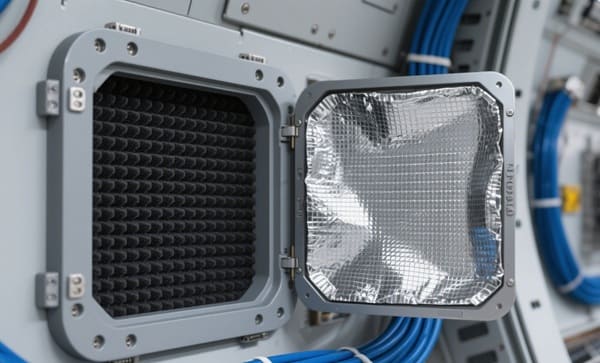
3D graphene foam products are typically packaged in vacuum-sealed bags to prevent moisture or contamination and wrapped with foam to cushion vibrations and impacts during transport, ensuring the quality of the products in their original condition.

Download
- SAFETY DATA SHEET (SDS) -3D Graphene Foam
FAQ
What is 3D Graphene Foam?
3D Graphene Foam is a macroscopic porous material with a three-dimensional interconnected network structure composed of graphene sheets, combining graphene’s excellent properties with unique structural advantages.
What are the key features of 3D Graphene Foam?
Key features include ultra-high specific surface area, excellent electrical conductivity, good mechanical elasticity, ultra-low density, tunable porous structure, and outstanding chemical stability.
Why is 3D Graphene Foam suitable for sensors?
Its 3D conductive network produces sensitive electrical signal changes under pressure, deformation, or gas adsorption, offering high sensitivity, fast response, and good stability.
What environmental applications does 3D Graphene Foam have?
It serves as an efficient adsorbent for removing oils, heavy metal ions, and organic pollutants from water, and can be used in air purification and seawater desalination.
What is the commercialization status of 3D Graphene Foam?
Currently used in high-end energy storage devices, specialized sensors, aerospace materials, etc. With cost reduction and technological maturity, commercialization prospects are promising.
Get A Quote
Request a personalized quote tailored to your specific requirements.