
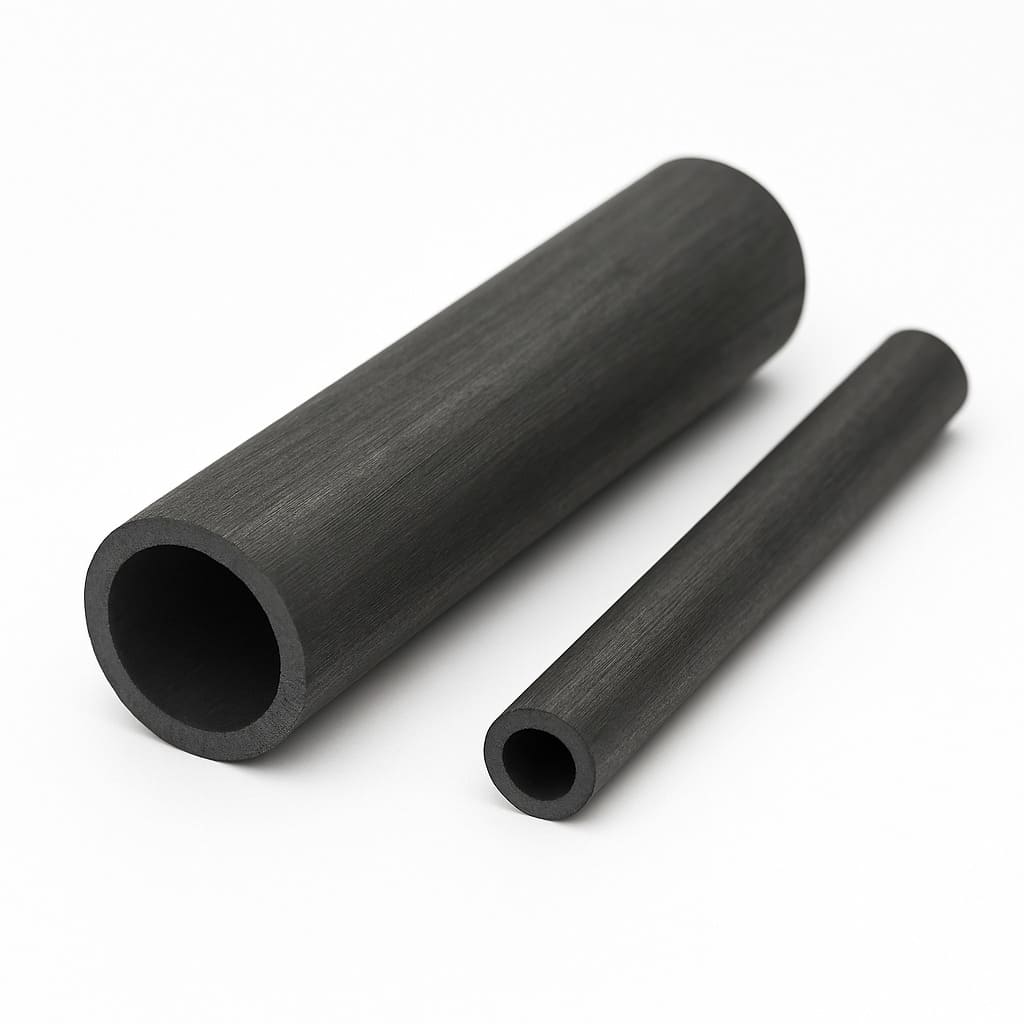
Graphite Tube
The graphite tube is a core consumable and critical component in Graphite Furnace Atomic Absorption Spectrometry (GFAAS). Typically manufactured from high-purity, high-density pyrolytic graphite, it functions as a miniature resistively heated furnace. During analysis, a micro-volume sample is injected directly into the tube. The tube is then rapidly heated to extremely high temperatures (up to 3000°C) in seconds by passing a high electrical current, subjecting the sample to the stages of drying, ashing, and atomization. This process generates a cloud of ground-state atoms of the analyte for absorbance measurement. Renowned for its rapid heating rate, high temperature capability, good inert environment, and high sample utilization efficiency, the graphite tube is particularly suited for trace and ultra-trace metal analysis. It finds widespread application in precise analytical fields such as environmental monitoring, food safety, clinical testing, and geochemical/metallurgical analysis.
- Custom and standard options available.
- Fast lead times guaranteed.
- High performance at a competitive price.
Graphite Tube Data Sheet
| Purity: | ≥99.9% |
| Color: | Dark Gray to Black |
| Chemical Formula: | C |
| Material Grades: | Natural Graphite, Synthetic Graphite, Specialty Graphite, Composite Graphite |
| Density: | 1.7–1.92 g/cm³ |
| Maximum Operating Temperature: | Up to 3000°C (in inert atmosphere) |
| Thermal Conductivity: | 100–200 W/m·K |
Graphite Tube Description
The graphite tube, serving as the heart and critical consumable of a Graphite Furnace Atomic Absorption Spectrometer, is typically fabricated from high-purity pyrolytic graphite and functions as a miniature high-temperature tubular furnace; during analysis, it is resistively heated within milliseconds to temperatures of several thousand degrees Celsius under an inert gas atmosphere, subjecting the micro-volume liquid or solid sample injected directly into its cavity to a complete thermal program of drying, ashing, and atomization, thereby efficiently generating a cloud of free analyte atoms for spectroscopic measurement, with its exceptional rapid heating capability, high-temperature stability, chemical inertness, and low memory effect making it an indispensable precision tool for trace and ultra-trace metal analysis, widely employed in fields demanding extreme sensitivity such as environmental monitoring, biomedicine, food safety, and materials science.
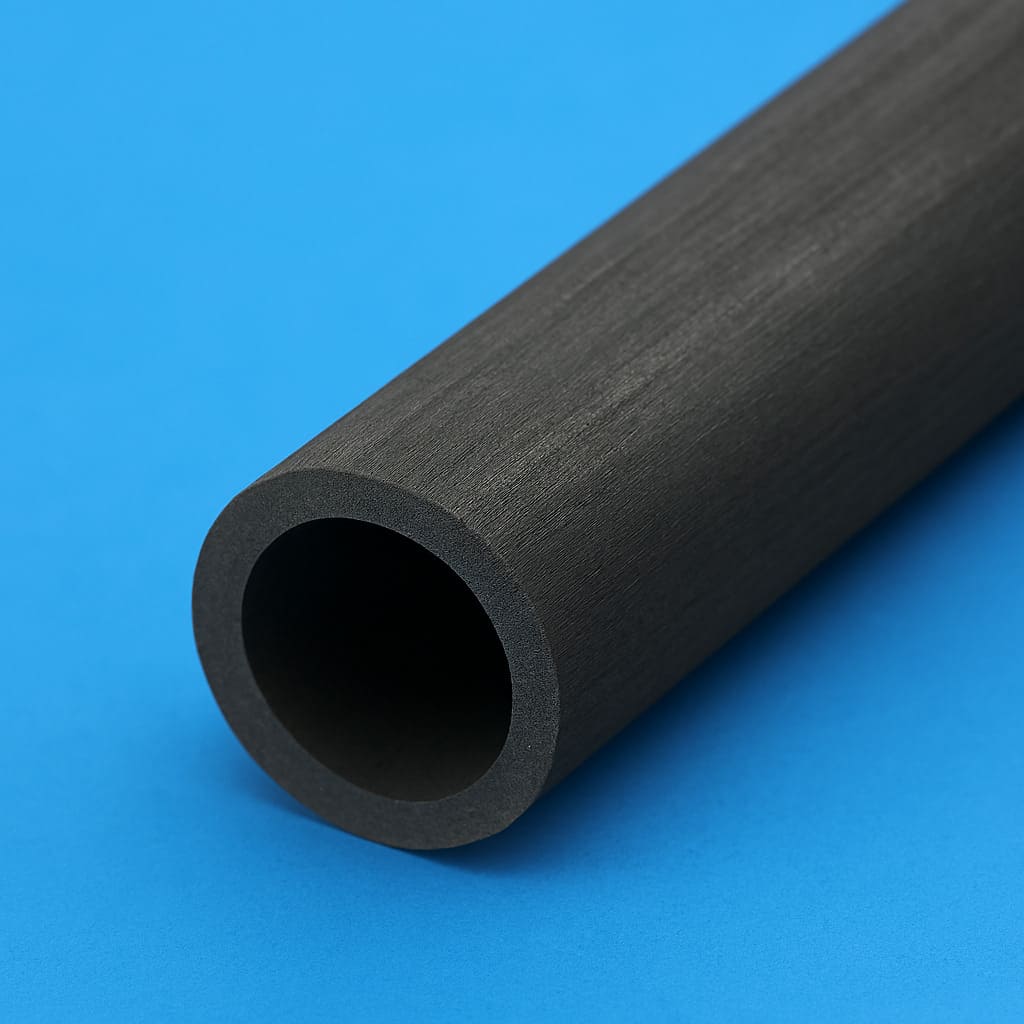
Graphite Tube Specifications
| Items | Unit | Value | |
| Grain Size | mm | 0.045-4 | |
| Bulk Density | g/cm3 | 1.65-1.95 | |
| Resistivity | μΩ•m | 8.0-11.0 | |
| Bending Strength | Mpa | 18-55 | |
| Compressive Strength | Mpa | 36-100 | |
| The Coefficient of Thermal Expansion (C.T.E) | ×10-6/ ℃ | 2.9-3.0 | |
| Ash | % | 0.1-0.3 | |
| Round | Diameter | mm | 10-1100 |
| Length | mm | 1-3050 | |
| Square | Length | mm | ≤3050 |
| Width | mm | ≤1200 | |
| Height | mm | ≤800 | |
| Products can be customized according to order requirements or specific drawings. | |||
Graphite Tube Features
- High-Performance Material: Made of high-purity pyrolytic graphite for excellent thermal and chemical stability.
- Ultra-Fast Heating: Heats to near 3000°C in seconds via electrical resistance, enabling rapid atomization.
- Protected Operation: Used under inert gas to prevent oxidation and ensure efficient atom release.
- High Sensitivity: Enables direct, efficient analysis of micro-samples with very low detection limits.
- Low Memory Effect: High-temperature cleaning minimizes carryover between samples.
- Specialized Designs: Includes platform and coated tubes for optimized analysis of different elements or complex samples.
- Critical Consumable: Its quality directly defines analytical performance in precision measurements.
Graphite Tube Applications
- Environmental Monitoring: Detection of trace heavy metal pollutants (e.g., lead, cadmium, mercury, arsenic) in water, soil, and airborne particulates.
- Food Safety: Analysis of toxic and harmful elements (e.g., Pb, Cd, Cr) as well as nutritional elements (e.g., selenium) in food and agricultural products to ensure compliance with safety standards.
- Clinical & Bioanalysis: Determination of trace essential elements (e.g., iron, zinc, copper) and toxic elements (e.g., lead, thallium) in biological samples like blood, urine, and tissues for disease diagnosis and nutritional assessment.
- Pharmaceutical Quality Control: Testing for catalyst residues (e.g., platinum, palladium) and impurity metals in active pharmaceutical ingredients, finished drugs, and excipients.
- Geology & Metallurgy: Analysis of major, minor, and trace element compositions in ores, minerals, alloys, and high-purity metals.
- Materials Science: Ultra-trace analysis of impurities or dopant elements in advanced materials such as semiconductors, ceramics, and nanomaterials.
- Forensics & Public Safety: Detection of characteristic elemental signatures in crime scene evidence and suspected poisons to provide investigative leads.

Graphite Ceramic Packaging
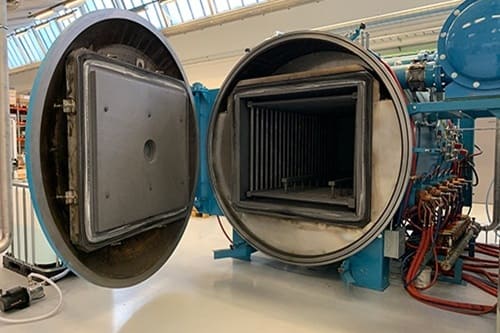
Graphite ceramic products are typically packaged in vacuum-sealed bags to prevent moisture or contamination and wrapped with foam to cushion vibrations and impacts during transport, ensuring the quality of products in their original condition.

Download
- SAFETY DATA SHEET (SDS) -Graphite Tube
FAQ
What is a graphite tube and what is its function in instrumentation?
A graphite tube is the core component of a Graphite Furnace Atomic Absorption Spectrometer (GFAAS). It serves as a miniature high-temperature furnace that electrically heats and atomizes samples, enabling highly sensitive detection of trace metal elements.
What material is a graphite tube typically made of and why?
It is typically made of high-purity pyrolytic graphite. This material offers exceptional high-temperature resistance, rapid heat conductivity, chemical inertness, and provides a stable high-temperature environment.
What are the main advantages of using a graphite tube?
Key advantages include: extremely high sensitivity, minimal sample volume requirement (microliter level), strong resistance to matrix interference, suitability for complex samples, and the ability to determine refractory elements.
How to properly install and replace a graphite tube?
Operate only when the instrument is cooled down and powered off. Use specialized tools to carefully place it into the furnace, ensure good electrical contact, and perform position calibration and optical alignment according to the instrument manual.
What is the "memory effect" and how to minimize its impact?
The “memory effect” refers to interference from residues of previous samples. Minimize it by: optimizing ashing/atomization temperatures, including sufficient high-temperature cleaning steps, replacing tubes regularly, and properly diluting high-concentration samples.
Get A Quote
Request a personalized quote tailored to your specific requirements.