
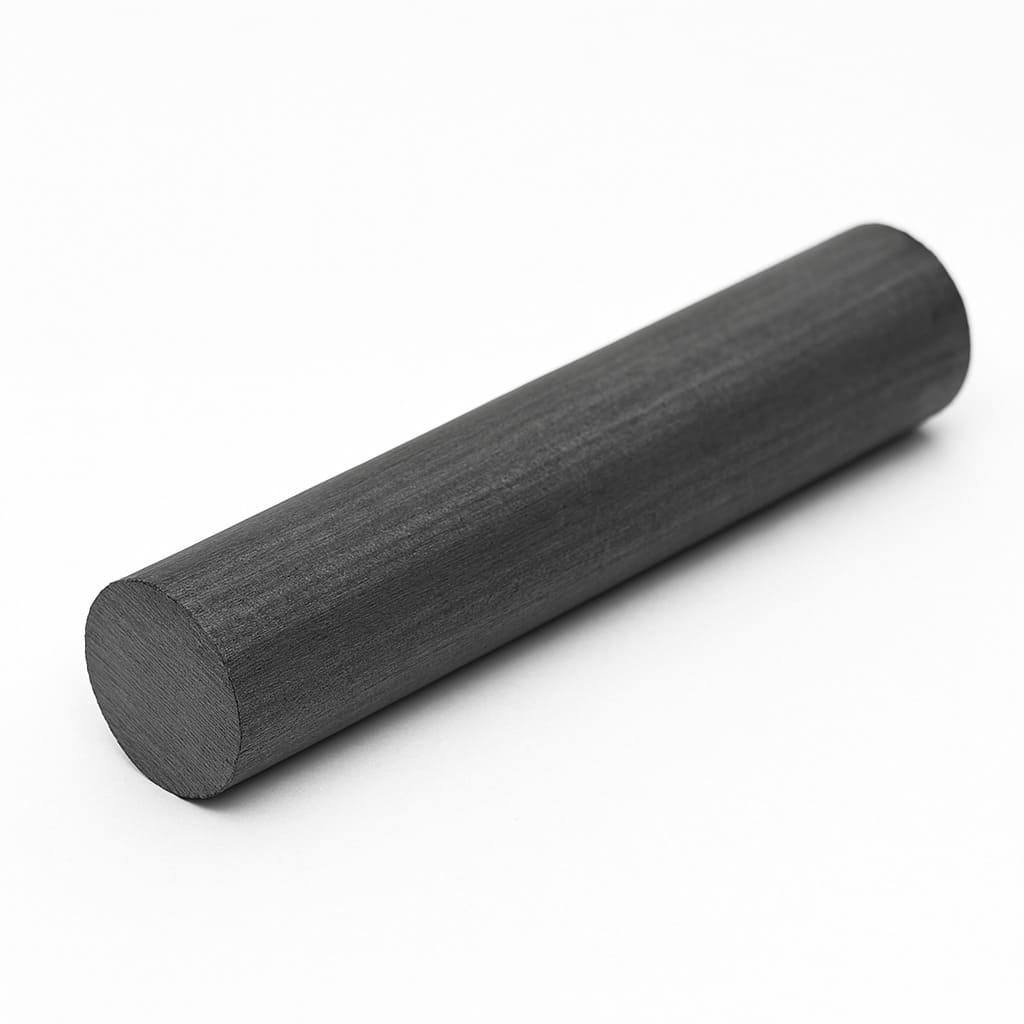
Graphite Rod/Bar
Graphite rods/bars are high-purity industrial materials known for their exceptional high-temperature resistance, excellent thermal and electrical conductivity. With advantages like chemical stability, low thermal expansion, and good machinability, they are widely used in metallurgy, semiconductor manufacturing, EDM, chemical processing, and nuclear industries as critical components including heating elements, conductive electrodes, corrosion-resistant parts, and reactor moderators.
- Custom and standard options available.
- Fast lead times guaranteed.
- High performance at a competitive price.
Graphite Rod/Bar Data Sheet
| Purity | ≥99.9% |
| Color | Dark Gray to Black |
| Chemical Formula | C |
| Material Grades | Natural Graphite, Synthetic Graphite, Specialty Graphite, Composite Graphite |
| Density | 1.7–1.92 g/cm³ |
| Maximum Operating Temperature | Up to 3000°C (in inert atmosphere) |
| Thermal Conductivity | 100–200 W/m·K |
Graphite Rod/Bar Description
A Graphite Rod/Bar is a robust industrial component in the form of a rod, manufactured from high-purity graphite material. It possesses a unique combination of properties that make it indispensable in extreme environments. Though solid, it is easily machinable, with a dark gray appearance and metallic luster. Its most notable advantages are exceptional resistance to high temperatures and excellent thermal and electrical conductivity. It can withstand temperatures exceeding 3000°C in inert atmospheres while also serving as a good electrical conductor at room temperature. Additionally, it exhibits natural lubricity, a low coefficient of thermal expansion, and outstanding chemical inertness, resisting corrosion from most acids, alkalis, and solvents. These characteristics make it the material of choice for critical applications such as heating elements and insulation in metallurgical furnaces, hot-zone components in semiconductor crystal growth furnaces, consumable electrodes in electrical discharge machining (EDM), corrosion-resistant parts in chemical equipment, and moderators in nuclear reactors. Available in various grades differentiated by purity, density, and grain size, graphite rods/bars are engineered to meet the stringent demands of diverse industrial scenarios, from conventional heating to high-precision monocrystal growth.
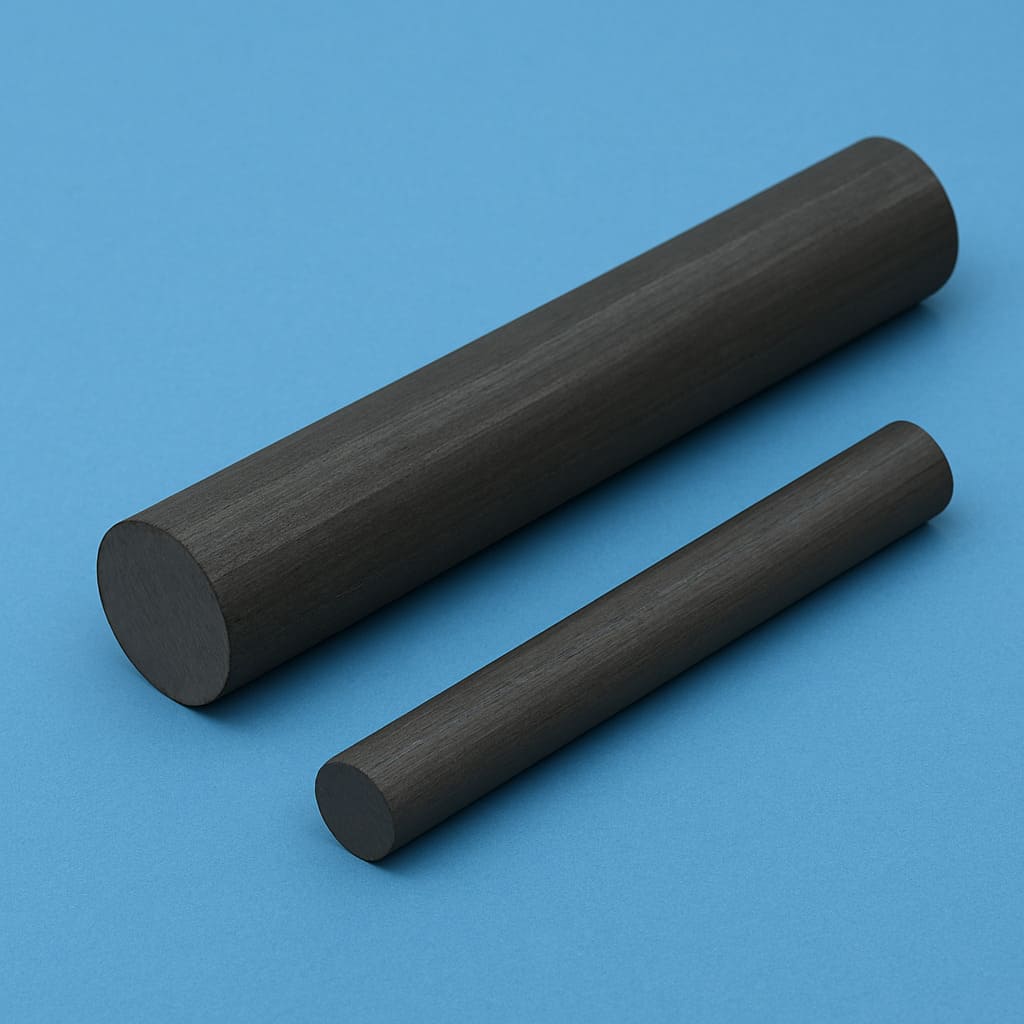
Graphite Rod/Bar Specifications
| Items | Unit | Value | |
| Grain Size | mm | 0.045-4 | |
| Bulk Density | g/cm3 | 1.65-1.95 | |
| Resistivity | μΩ•m | 8.0-11.0 | |
| Bending Strength | Mpa | 18-55 | |
| Compressive Strength | Mpa | 36-100 | |
| The Coefficient of Thermal Expansion (C.T.E) | ×10-6/ ℃ | 2.9-3.0 | |
| Ash | % | 0.1-0.3 | |
| Round | Diameter | mm | 10-1100 |
| Length | mm | 1-3050 | |
| Square | Length | mm | ≤3050 |
| Width | mm | ≤1200 | |
| Height | mm | ≤800 | |
| Products can be customized according to order requirements or specific drawings. | |||
Graphite Rod/Bar Features
- High-Temperature Resistance: Can withstand over 3000°C in inert atmospheres.
- Electrical & Thermal Conductivity: Exhibits both good electrical and thermal conduction.
- Chemical Stability: Resistant to corrosion from most acids, alkalis, and organic solvents.
- Low Thermal Expansion: Minimal dimensional change with temperature, ensuring thermal stability.
- Self-Lubrication: Has a low friction coefficient and natural lubricity.
- Easy Machinability: Relatively soft material, allowing for easy mechanical processing.
Graphite Rod/Bar Applications
- Metallurgical Industry: Used as heating elements, thermal shields, and sintering molds in vacuum/atmosphere furnaces.
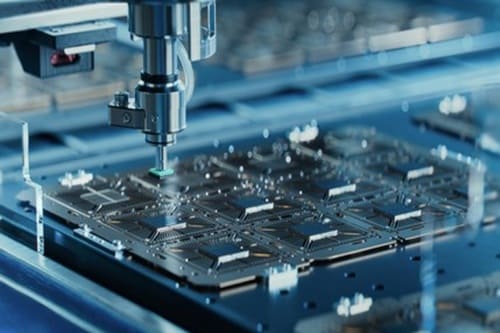
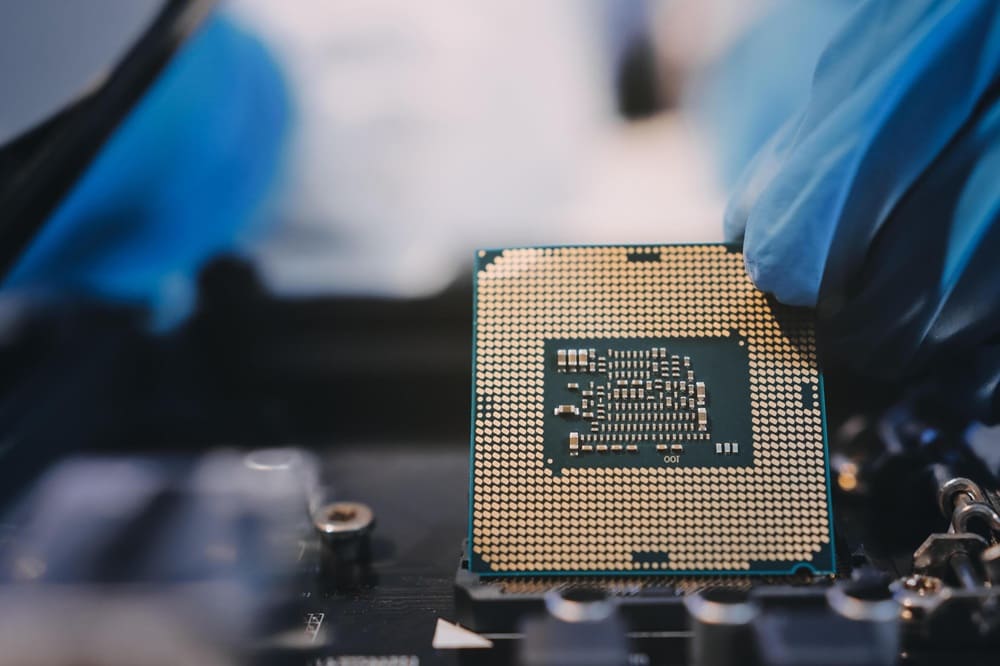
- Semiconductor Industry: Serves as hot zone components (e.g., heaters, crucibles) in crystal growth furnaces and as boats for diffusion sources.
- Electrical Machining: The primary electrode material for Electrical Discharge Machining (EDM).
- Chemical Equipment: Utilized in manufacturing corrosion-resistant heat exchangers, piping, heads, and seals.
- Nuclear Energy Industry: Functions as moderator and reflector material in nuclear reactors.
- Analytical Instruments: Acts as electrodes or sample holders in laboratory equipment like spectrometers.
- High-Temperature Casting: Used as molds and runners for casting molten metals (e.g., precious metals).

Graphite Ceramic Packaging
Graphite ceramic products are typically packaged in vacuum-sealed bags to prevent moisture or contamination and wrapped with foam to cushion vibrations and impacts during transport, ensuring the quality of products in their original condition.

Download
- SAFETY DATA SHEET (SDS) -Graphite Rod/Bar
FAQ
What is the main composition of a graphite rod?
The main composition is high-purity carbon (typically ≥99%), processed through graphitization to form a stable crystalline structure.
Why are graphite rods electrically conductive?
The free electrons between carbon atom layers provide metal-like conductivity, with resistivity typically 5-15 μΩ·m.
How to select the right graphite rod specifications for high-temperature furnaces?
Consider furnace type (vacuum/atmosphere), max temperature, and hot zone size to select density (≥1.7 g/cm³), purity, and diameter. High-density rods suit prolonged high-temperature use.
What is the difference between graphite rods and carbon rods?
Graphite rods are graphitized (2500°C+), with ordered crystals for better conductivity. Carbon rods are non-graphitized, harder but less conductive, often used in batteries or mechanical parts.
Why are graphite rods used in nuclear reactors?
As a moderator, carbon’s low neutron absorption cross-section slows neutrons to sustain fission chain reactions; also used as reflector material.
Get A Quote
Request a personalized quote tailored to your specific requirements.