
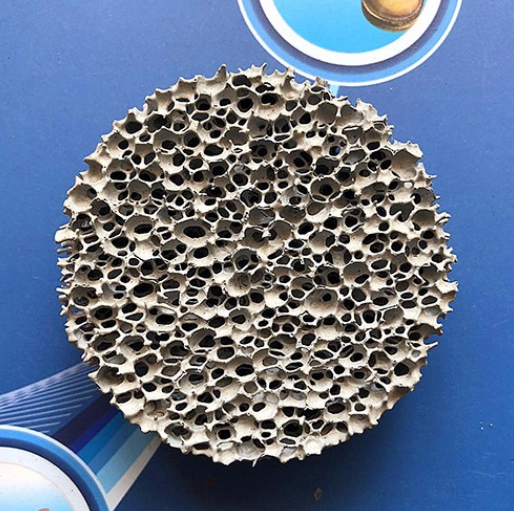
Silicon Carbide Foam Filter
Silicon Carbide Foam Filter is a high-performance filtration material with excellent high-temperature resistance (up to 1500℃), chemical corrosion resistance, and high mechanical strength. It is widely used in metal casting, chemical, and environmental fields. As a leading supplier and manufacturer of premium silicon carbide products, we can supply high-quality silicon carbide foam filters with various specifications and competitive prices, offering customized solutions to meet specific requirements.
- Custom and standard options available.
- Fast lead times guaranteed.
- High performance at a competitive price.
Silicon Carbide Foam Filter Data Sheet
| Purity: | 80%-90% |
| Pore Size: | 7-45 PPI |
| Operating Temperature: | ≤1500℃ |
| Volume Density: | 0.4-0.5 g/cm3 |
| Room Temperature Bending Strength: | 0.8 MPa |
| Room Temperature Compression Strength: | 1.0 MPa |
| Thermal Shock Resistance: | 1100℃ to room temperature, 6 times |
Silicon Carbide Foam Filter Description
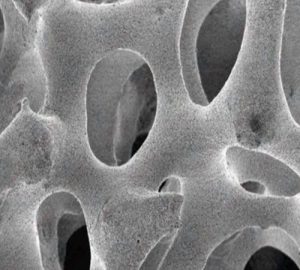
Silicon Carbide Foam Filter is an effective molten metal filter with a unique porous structure, effectively removing impurities and gases from molten metal and improving the casting quality. It offers excellent high-temperature resistance (up to 1500℃), chemical resistance, and high mechanical strength, making it ideal for filtering aluminum, copper, iron, etc. The common porosities are 10 PPI, 20 PPI, 30 PPI, and 40 PPI. NexusX supports customized solutions in sizes, thicknesses, and pore sizes for diverse industry and research applications.
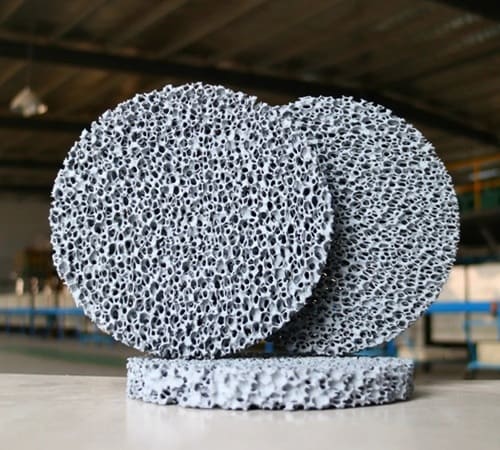
Silicon Carbide Foam Filter Features
- High Thermal Stability: Can withstand high temperatures (up to 1500℃), making them suitable for molten metal filtration.
- High Strength: Offers excellent mechanical strength, ensuring durability during metal pouring.
- Good Filtration Efficiency: Effectively filters out impurities, improving metal quality.
- Low Pressure Drop: Ensures smooth molten metal flow while minimizing pressure loss.
- Corrosion Resistance: Resistant to corrosion from molten metals, extending filter life.
- Lightweight and Easy Handling: Despite their strength, they are lightweight and easy to handle.
- Porosity Control: Can be manufactured with controlled porosity for specific filtration needs.
Silicon Carbide Foam Filter Applications
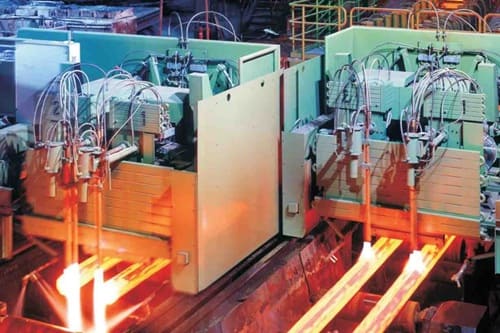
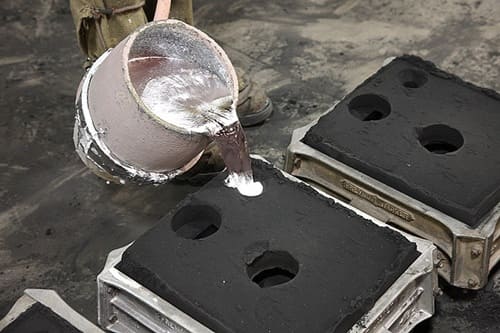
- Metallurgy: Used in foundries to filter molten metals like iron, steel, and non-ferrous alloys, improving metal purity and casting quality.
- Casting: Used to refine the quality of castings, reduce defects like porosity, and enhance surface finish.
- Steel Industry: Helps in manufacturing high-quality steel by filtering molten steel before casting.
- Aluminum Casting: Widely used in aluminum and its alloys to remove impurities and improve casting integrity.
- Automotive Industry: Used in producing components such as engine blocks and other vehicles’ cast parts
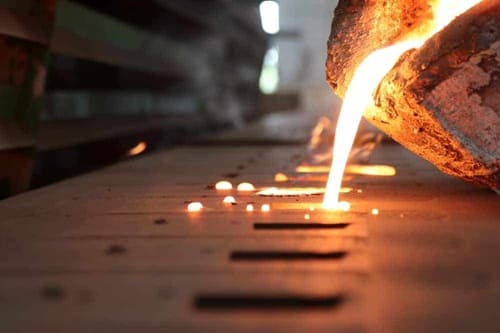

Silicon Carbide Foam Filter Packaging
Silicon carbide foam filter products are typically packaged in vacuum-sealed bags to prevent moisture or contamination and wrapped with foam to cushion vibrations and impacts during transport, ensuring the quality of products in their original condition.

Download
- SAFETY DATA SHEET (SDS) -Silicon Nitride Custom Parts
FAQ
What are the core structural features of Silicon Carbide Foam Filters? Why are they high-temperature stable?
Key application industries & core advantages over traditional metal filters (e.g., stainless steel meshes)?
How to select pore size (ppi) and dimensions? Key factors?
Causes of clogging/cracking and preventive measures?
Main production steps & process impacts on performance?
Get A Quote
Request a personalized quote tailored to your specific requirements.