Aluminum Silicon Carbide Shell

aluminum silicon carbide shell

Aluminum Silicon Carbide Shell

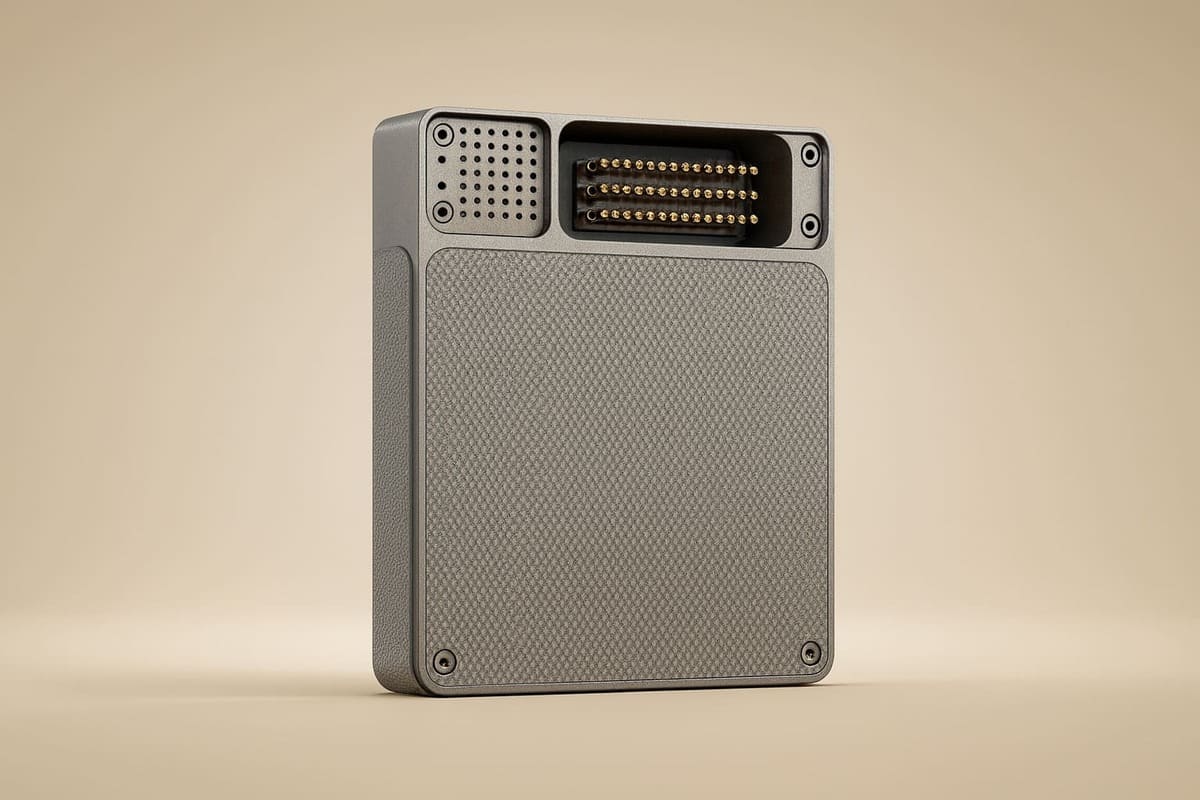
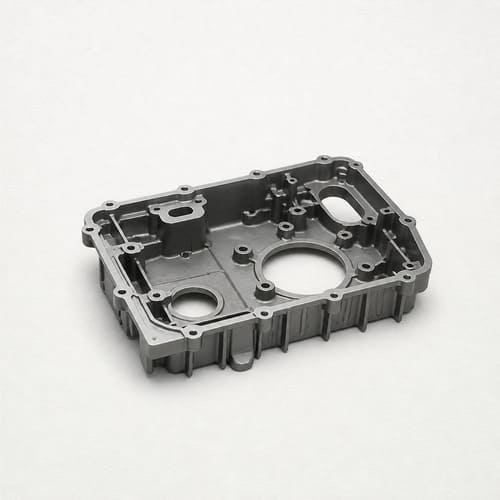
The Aluminum Silicon Carbide  Shell is a multi-functional thermal-mechanical component, engineered by combining an aluminum matrix with silicon carbide particles to deliver unparalleled heat dissipation, structural integrity, and lightweighting in a single package. NexusX Advanced Materials, as a premier manufacturer and supplier of high-quality Aluminum Silicon Carbide Shell products, focuses on producing high-precision aluminum nitride silicon structural compenents through advanced technologies for diverse application fields.

Or email us at [email protected]

Aluminum Silicon Carbide Shell Data Sheet

Chemical Formula:Al-SiC
Shape:Shell
Dimension:Standard or customized

Aluminum Silicon Carbide Shell Description

  • An Aluminum Silicon Carbide (AlSiC) shell is a high-performance enclosure that redefines thermal and structural management for advanced electronic systems. It transcends the role of a mere protective cover by actively managing heat, ensuring structural stability, and shielding against interference—all while significantly reducing weight.
  • By integrating multiple critical functions into a single, robust unit, the AlSiC shell delivers unparalleled system-level benefits:Active Thermal Management & CTE Matching,Lightweight Structural Integrity,Inherent Shielding & Environmental Protection.
  • In essence, the AlSiC shell is not just a component you add—it is the foundational building block for creating more reliable, efficient, and compact high-power and high-frequency systems.
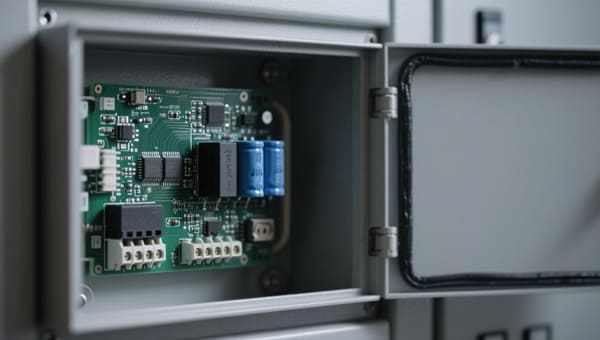
aluminum silicon carbide shell制成品1
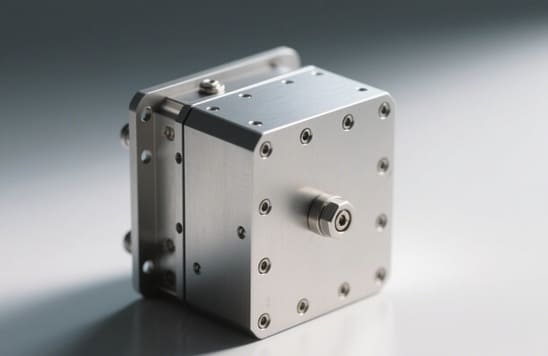
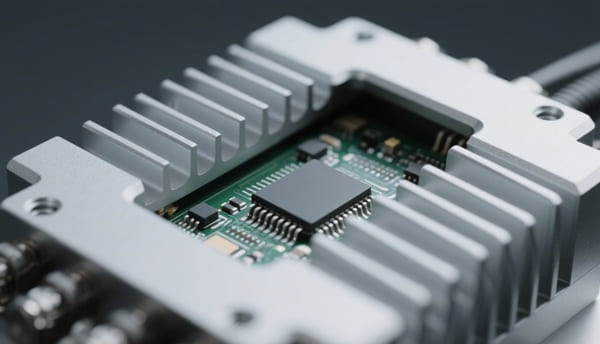
aluminum silicon carbide shell制成品2

Aluminum Silicon Carbide Material Chemical Composition

TechnologyMaterial Reference CodeVolume FractionPerformance AdvantagesApplication Directions
SiC (%)Al (%)
RSPM + HIP (Rapid Solidification + HIP)NXA151585✔High specific strength & stiffness
✔Low density
✔Excellent wear resistance
✔Good heat resistance
✔Lightweight and wear-resistant components
✔Alternative to aluminum alloys, cast steel, cast iron, and titanium alloys
✔Brake components, pistons, connecting rods, fighter belly fins, helicopter rotor forgings
NXA303070
NXA404060✔High specific strength & stiffness
✔High micro-yield strength
✔Low thermal expansion
✔High thermal conductivity
✔Aerospace and defense applications
✔Optical mirrors, inertial navigation system components
✔Alternative to beryllium, glass-ceramics, quartz glass
NXA505050
Pressure Infiltration (PI)NXA555545✔High specific modulus
✔Low density
✔Low thermal expansion
✔High thermal conductivity
✔Thermal management materials for military and civilian use
✔Military IGBT substrates, PCB substrates, heat dissipation baseplates
✔Electronic component bases and housings, power amplifier module housings and bases
✔Alternative to W/Cu, Mo/Cu, Kovar alloys
NXA656535
NXA707030

Aluminum Silicon Carbide Shell Features

  • An Aluminum Silicon Carbide (AlSiC) shell represents a paradigm shift in electronic packaging, moving beyond a simple enclosure to become a multi-functional, high-performance component. Engineered by combining a ductile aluminum matrix with rigid silicon carbide particles, it delivers an exceptional synergy of thermal management, structural integrity, and lightweight properties, specifically designed to address the challenges of modern high-power and high-frequency applications.
  • Key Attributes:
  • Superior Thermal Management: The shell acts as an efficient heat spreader, rapidly dissipating heat from critical components like CPUs, GPUs, and power semiconductors. This prevents overheating and ensures long-term system reliability and performance.
  • Tailored Thermal Expansion: A defining advantage is its tunable Coefficient of Thermal Expansion (CTE). This CTE can be precisely matched to those of key materials (e.g., semiconductors, ceramics), drastically reducing thermal stress during power cycles and preventing solder joint fatigue and failure.
  • Lightweight & High Stiffness: AlSiC shells offer a remarkable strength-to-weight ratio. They are significantly lighter than traditional enclosures made of Kovar or copper-tungsten while providing greater dimensional stability and resistance to mechanical shock and vibration.
  • Excellent EMI Shielding: The continuous aluminum matrix provides inherent shielding against Electromagnetic Interference (EMI), protecting sensitive internal circuitry from external noise and containing emissions to meet regulatory standards.

Aluminum Silicon Carbide Shell Applications

  • Primary Applications:
  • Power Module Housings for EV/HEV inverters and industrial motor drives.
  • Lids and Bases for high-performance computing (HPC) and aerospace electronics.
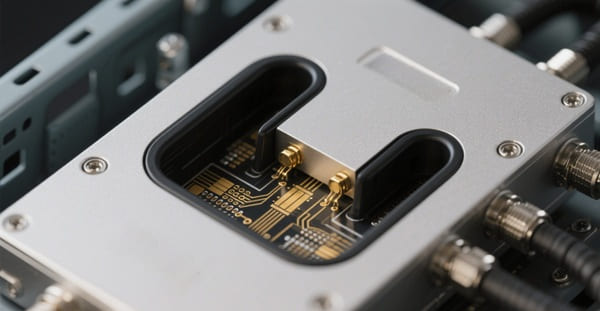
  • Microwave and RF Packages for radar and communication systems.
  • Hermetic Encapsulations for sensors and MEMS devices in harsh environments.
  • Value Proposition: By consolidating the functions of a heat sink, a structural frame, and an EMI shield into a single, robust unit, the AlSiC shell simplifies design, reduces part count, enhances performance, and ultimately improves the reliability and longevity of your electronic systems.
aluminum silicon carbide 4
aluminum silicon carbide 1
aluminum silicon carbide 2
aluminum silicon carbide 3

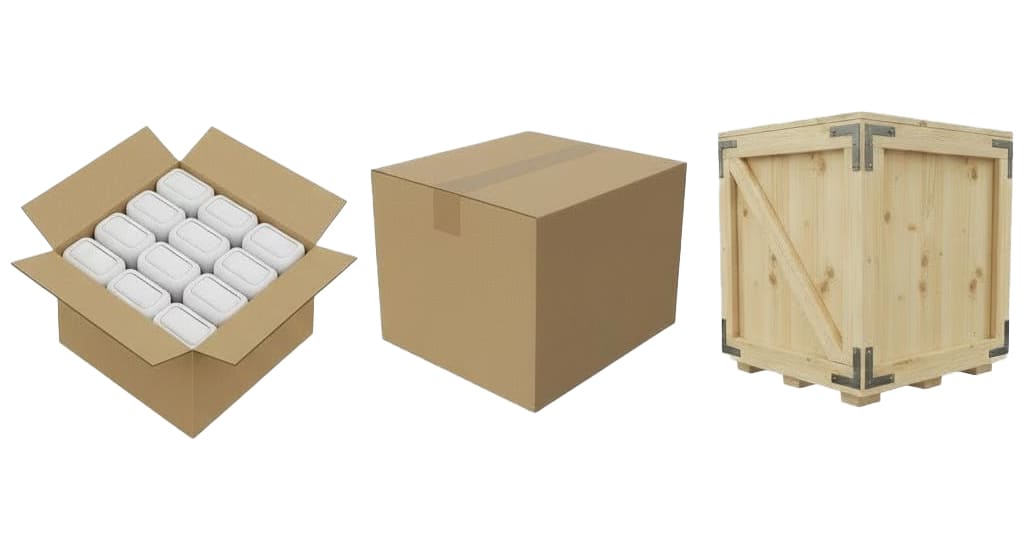
Aluminum Silicon Carbide Shell Packaging

Aluminum silicon carbide shell products are typically packaged in vacuum-sealed bags to prevent moisture or contamination and wrapped with foam to cushion vibrations and impacts during transport, ensuring the quality of products in their original condition.

packaging

Download

FAQ

What is an Aluminum Silicon Carbide (AlSiC) Shell?

It is a high-end electronic enclosure that integrates structural protection, efficient heat dissipation, and EMI shielding into one unit, specifically designed to solve thermal management and reliability challenges in high-power devices.

The advantages are higher strength, a lower and tailorable CTE that matches chips, and superior dimensional stability under the same thermal load, reducing deformation.

Because it efficiently conducts heat like a heat sink while its CTE matches the internal chips, minimizing thermal stress at the source, all while serving as a structural support.

 Yes. Its continuous aluminum matrix provides excellent inherent electromagnetic shielding, protecting the internal circuitry.

You’ll need to provide key requirements like dimensions, target CTE, thermal load, shielding level, and structural loads. We recommend contacting our engineers for a co-design process.

Get A Quote

Request a personalized quote tailored to your specific requirements. 

error: Content is protected !!