
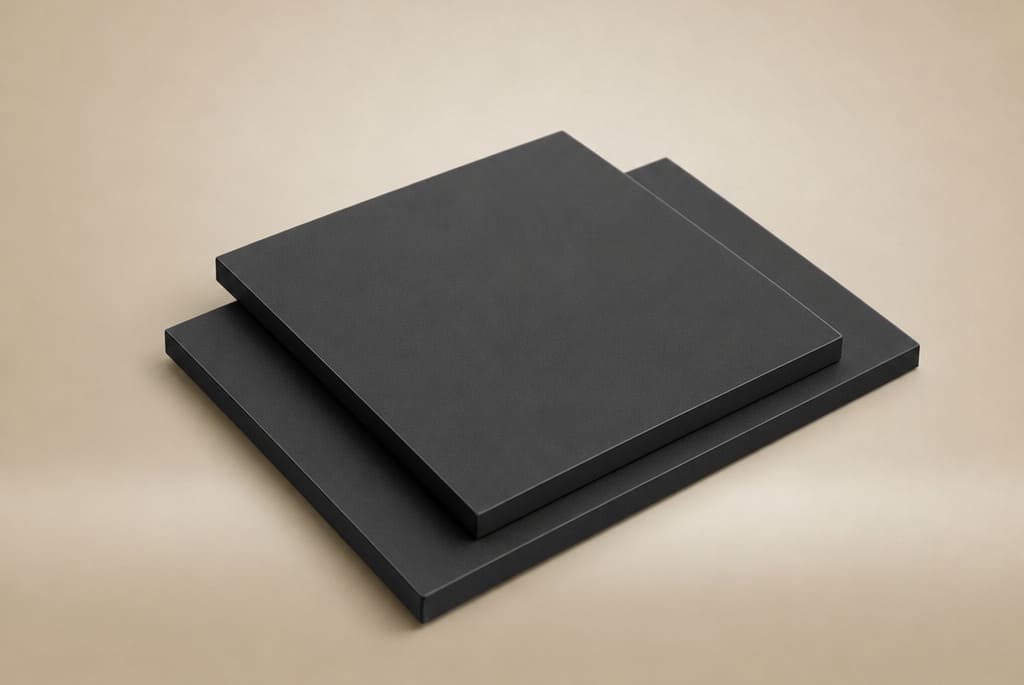
Silicon Nitride Substrate
- Custom and standard options available.
- Fast lead times guaranteed.
- High performance at a competitive price.
Silicon nitride substrate is a high-performance ceramic material known for its exceptional mechanical strength, high-temperature resistance, chemical stability, and good thermal conductivity. It is widely used in power electronics, semiconductor packaging, high-temperature sensors, and bearings, especially suited for demanding environments requiring high reliability.NexusX Advanced Materials, as a premier manufacturer and supplier of high-quality Silicon Nitride products, focuses on producing high-precision aluminum nitride silicon structural compenents through advanced technologies for diverse application fields.
Or email us at [email protected]
Silicon Nitride Substrate Data Sheet
| Purity: | ≥99% |
| Color: | Black-grey |
| Chemical Formula: | Si3N4 |
| Material Grades: | HMSN1000, HMSN2000, HMSN3000, HMSN4000 |
| Density: | 3.20 g/cm3 |
Silicon Nitride Substrate Description
Silicon Nitride substrate is an advanced engineering material fabricated from silicon nitride ceramic. Renowned for its exceptional combination of properties, it is often hailed as the “king of engineering ceramics.” Its key characteristics encompass: outstanding mechanical strength and fracture toughness, enabling it to withstand severe mechanical and thermal shocks; excellent high-temperature resistance, maintaining performance stability in environments exceeding 1000°C; favorable thermal conductivity coupled with a very low coefficient of thermal expansion, ensuring superior thermal management and dimensional stability. Additionally, it offers strong electrical insulation and high resistance to chemical corrosion. These attributes make it a critical foundational material in fields such as power semiconductor modules, electric vehicles, aerospace, high-performance bearings, and high-temperature sensors. It is particularly suited for extreme operating conditions demanding the highest levels of reliability, durability, and performance.
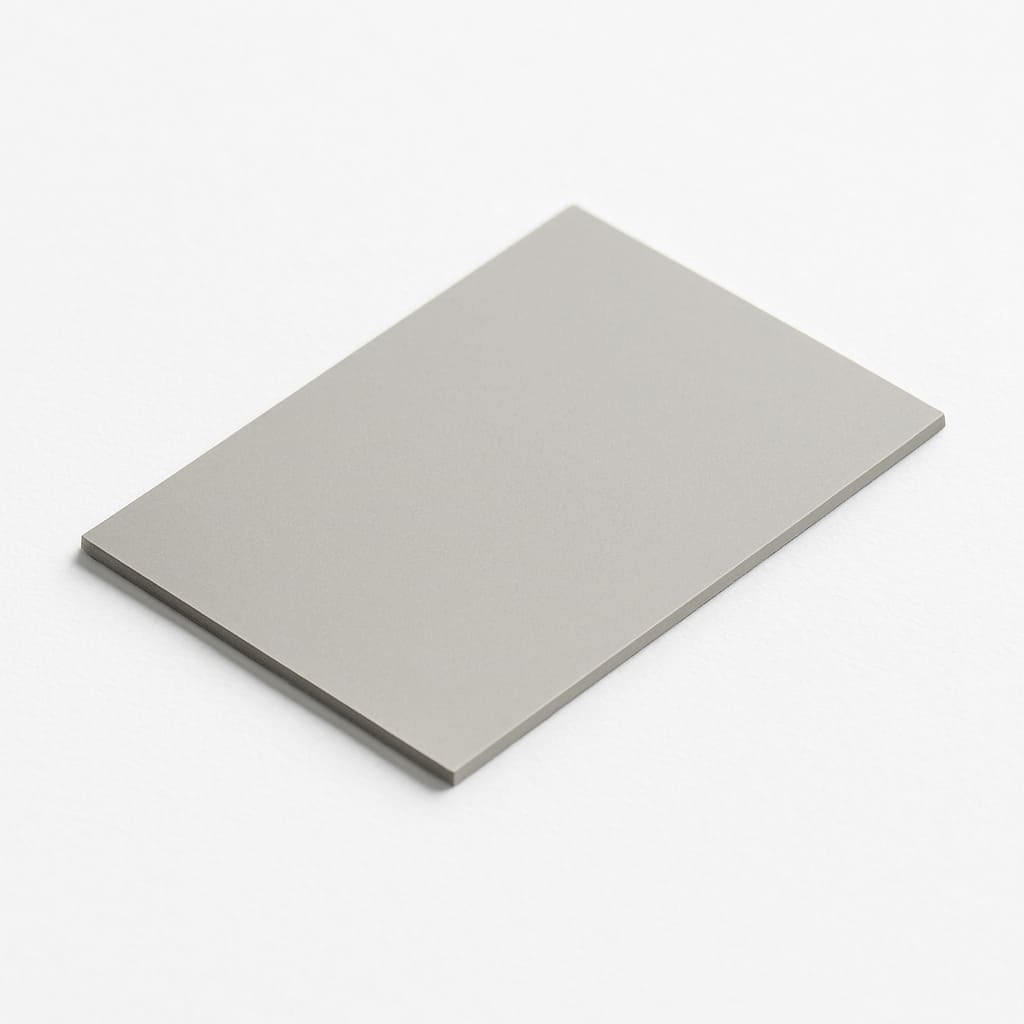
Silicon Nitride Substrate Specifications
| Product | Thickness | Length×Width |
| Si3N4 Substrate | 0.254 mm | 190.0×138.0 mm (±1%) |
| 0.320 mm | ||
| 0.635 mm | ||
| 1.000 mm | 114.3×114.3 mm (±1%) |
Silicon Nitride Substrate Features
- High Strength & Toughness: Exceptional mechanical strength combined with high fracture toughness and shock resistance.
- High-Temperature & Thermal Shock Resistance: Stable performance above 1200°C with excellent resistance to rapid temperature changes.
- Superior Thermal Management: Good thermal conductivity and low thermal expansion coefficient for effective heat dissipation and dimensional stability.
- Reliable Electrical Insulation: Maintains excellent electrical insulation even at elevated temperatures.
- Strong Chemical Stability: Highly resistant to corrosion from most acids, alkalis, and molten metals.
Silicon Nitride Substrate Applications
- Power Semiconductor Packaging: Insulating heat-dissipating substrates for IGBT and SiC/GaN devices.
- High-Temperature Structural Components: Aerospace engine parts, high-temperature bearings, and turbine rotors.
- Electronics Industry: Thin-film circuit substrates, sensor carriers, and vacuum coating fixtures.
- Precision Machinery: High-precision machine tool bearings, mechanical seals, and cutting tools.
- New Energy Field: Fuel cell bipolar plates, EV power modules.
- Medical Devices: Dental implants, surgical instruments, and medical imaging components.




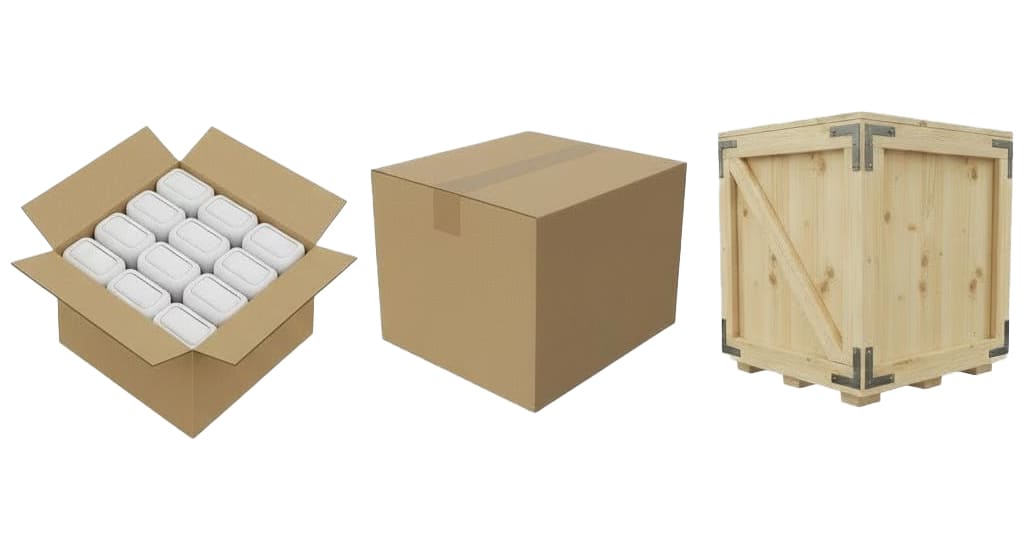
Silicon Nitride Ceramic Packaging
Silicon nitride ceramic products are typically packaged in vacuum-sealed bags to prevent moisture or contamination and wrapped with foam to cushion vibrations and impacts during transport, ensuring the quality of products in their original condition.
Download
- SAFETY DATA SHEET (SDS) -Silicon Nitride Substrate
FAQ
What is a Silicon Nitride Substrate?
A Silicon Nitride substrate is a plate material made from high-performance silicon nitride ceramic. It is renowned for its exceptional mechanical strength, high-temperature resistance, and excellent thermal management capabilities, serving as a critical component in advanced electronics and high-temperature applications.
What are the main advantages of Silicon Nitride Substrates?
Key advantages include: extremely high mechanical strength and toughness, outstanding high-temperature and thermal shock resistance (>1200°C), good thermal conductivity with a low coefficient of thermal expansion, reliable electrical insulation, and superior chemical stability.
What is the difference between Silicon Nitride and Alumina substrates?
Silicon Nitride far surpasses Alumina in fracture toughness, thermal shock resistance, and mechanical strength, making it ideal for environments with extreme temperature swings and high mechanical loads. Alumina is more cost-effective with good electrical insulation, suitable for less demanding conventional electronic packaging.
How is the thermal conductivity of Silicon Nitride Substrates?
It offers good thermal conductivity (typically 20-30 W/mK). While not as high as Aluminum Nitride, its very low thermal expansion coefficient and superior thermal shock resistance ensure stable and reliable heat dissipation under rapid temperature changes.
How do I choose the right Silicon Nitride Substrate for my application?
Key factors to consider include: operating temperature range, mechanical load, required thermal and electrical insulation levels, dimensional precision, and budget. It is recommended to consult directly with specialized manufacturers regarding your specific operating conditions.
Get A Quote
Request a personalized quote tailored to your specific requirements.