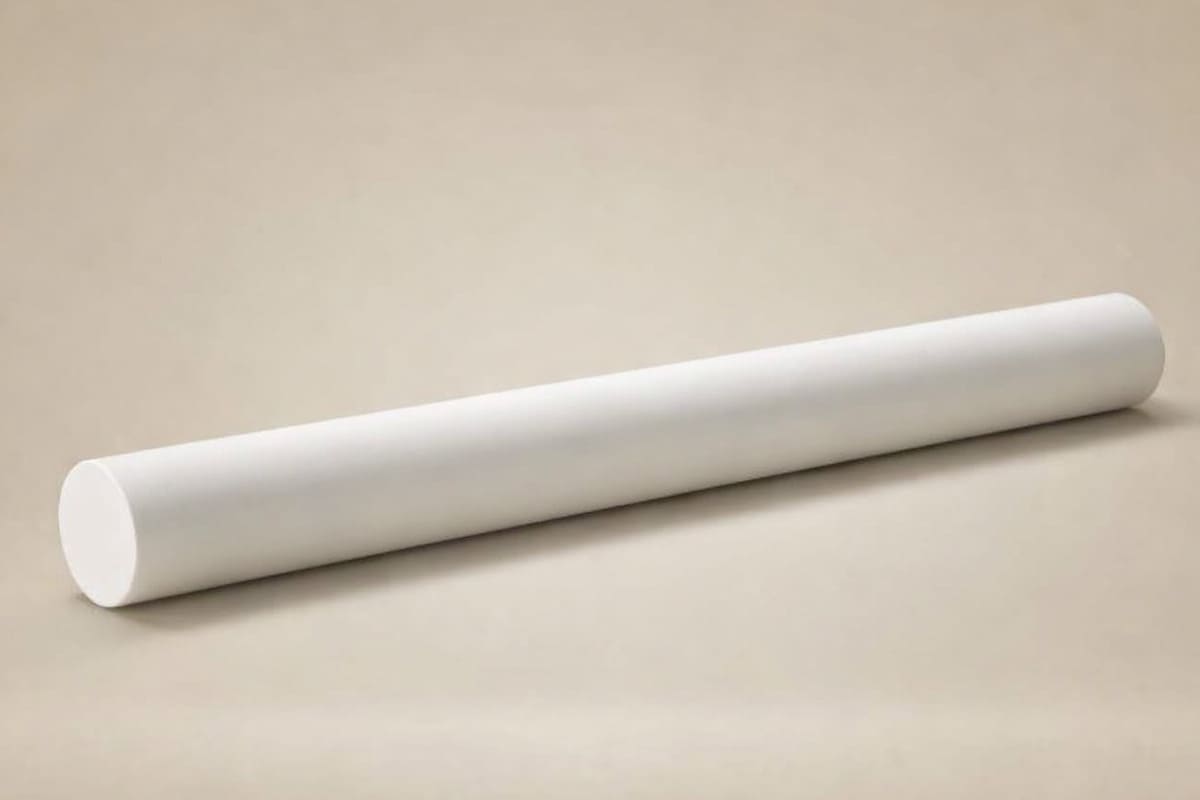
Pyrolytic Boron Nitride Rod
- Custom and standard options available.
- Fast lead times guaranteed.
- High performance at a competitive price.
Pyrolytic Boron Nitride Rod is a high-purity CVD ceramic offering anisotropic thermal conductivity, high electrical resistivity, chemical inertness, and excellent thermal shock resistance. Non-wetting to molten materials, it’s ideal for MBE crucibles, heaters, and vacuum furnace components with service temperatures above 1400°C (inert/vacuum).NexusX Advanced Materials, as a premier manufacturer and supplier of high-quality pyrolytic boron nitride products, focuses on producing high-precision pyrolytic boron nitride tubes for diverse application fields.
Or email us at [email protected]
Pyrolytic Boron Nitride Rod Data Sheet
Purity: | 99.99%-99.999% |
Color: | White |
Density: | 1.95-2.20 g/cm3 |
Production Method: | CVD |
Pyrolytic Boron Nitride Rod Descriptions
Pyrolytic Boron Nitride (PBN) Rod is a high-performance ceramic material produced through chemical vapor deposition (CVD). It features a unique layered, anisotropic structure that provides excellent thermal conductivity along the deposition plane while maintaining high electrical resistivity. PBN rods are chemically inert, non-wetting to most molten metals, glasses, and salts, and exhibit outstanding thermal shock resistance. They are widely used in demanding high-temperature environments, such as molecular beam epitaxy (MBE) crucibles, heaters, insulators, and vacuum furnace components. With the ability to withstand continuous operation above 1400°C in inert or vacuum atmospheres, PBN rods offer superior purity and stability where conventional materials degrade.
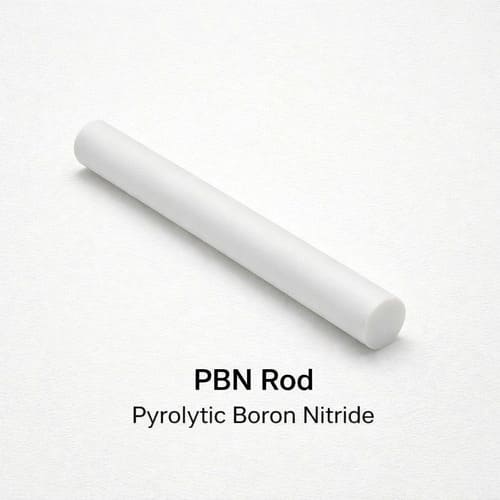
Pyrolytic Boron Nitride Rod Advantages
- High Purity – Produced via CVD, typically over 99.99% purity, minimizing contamination in sensitive processes.
- Excellent Thermal Conductivity – Anisotropic heat transfer allows efficient heat dissipation along the deposition plane.
- High Electrical Resistivity – Acts as a reliable electrical insulator even at elevated temperatures.
- Chemical Inertness – Resistant to most acids, alkalis, salts, and organic solvents.
- Non-Wetting – Does not react with or stick to molten metals, glasses, or ceramics, making it ideal for crucibles and holders.
- Outstanding Thermal Shock Resistance – Withstands rapid temperature changes without cracking.
- High-Temperature Stability – Usable continuously above 1400 °C in inert or vacuum atmospheres.
- Low Coefficient of Thermal Expansion – Matches well with other high-temperature materials, reducing stress in assemblies.
- Clean & Particle-Free – No binding agents or porosity, reducing outgassing and particle generation in vacuum systems.
Pyrolytic Boron Nitride Rod Applications
- Molecular Beam Epitaxy (MBE) – Used as crucibles or heating element supports for precise evaporation of high-purity source materials.
- High-Temperature Furnaces – Serves as furnace heating rods, insulators, and structural supports in vacuum or inert gas environments.
- Semiconductor Manufacturing – Employed in CVD and PVD systems as electrode insulation, sample holders, or gas distribution components.
- Crystal Growth – Functions as seed holders or support rods for growing compound semiconductors (e.g., GaAs, InP) due to its non-wetting and high-purity properties.
- Metal Melting & Casting – Used for stirring rods or containment rods for molten metals, glasses, and salts without adhesion or contamination.
- Vacuum Systems – Acts as feedthrough insulators, standoffs, or mounting rods requiring low outgassing and high thermal stability.
- Thermal Management – Utilized as heat spreaders or thermal insulation rods in high-power electronic or optical systems.
- Analytical Instruments – Applied in mass spectrometry or thermal gravimetric analysis as sample probes or holder rods.


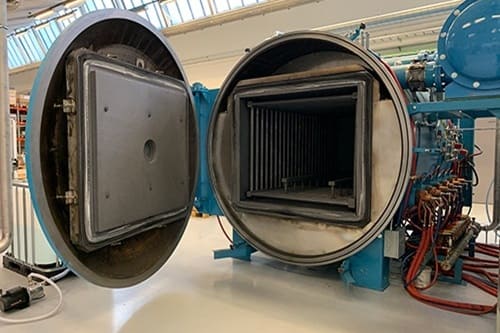
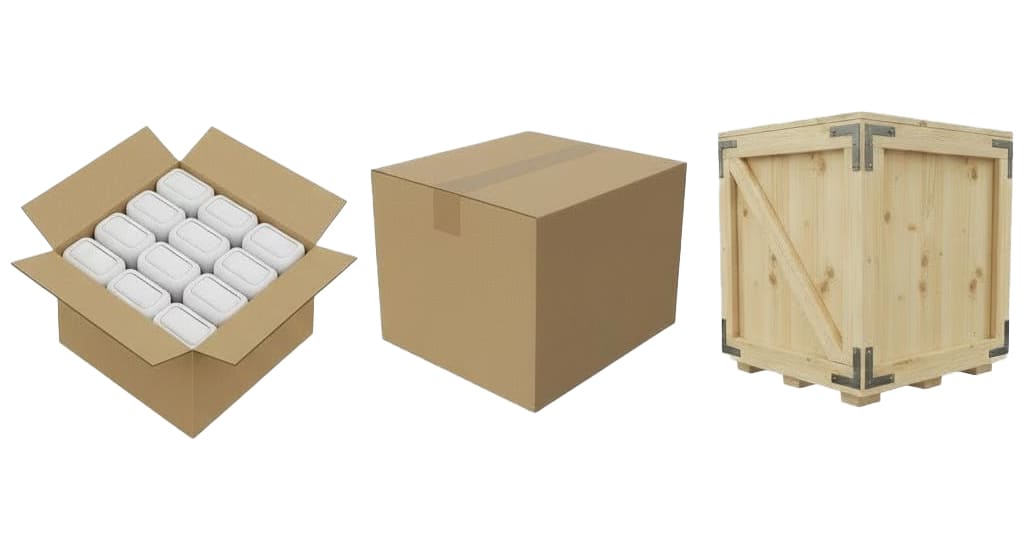
Pyrolytic Boron Nitride Packaging
Pyrolytic Boron Nitride Ceramic products are typically packaged in vacuum-sealed bags to prevent moisture or contamination, and wrapped with foam to cushion vibrations and impacts during transport, ensuring the quality of products in their original condition.
Download
- SAFETY DATA SHEET (SDS) -Pyrolytic Boron Nitride Rod
FAQ
What is a Pyrolytic Boron Nitride (PBN) Rod?
A Pyrolytic Boron Nitride (PBN) rod is a high-purity ceramic material produced by chemical vapor deposition (CVD). It features a layered, anisotropic structure and offers high temperature resistance, chemical inertness, and non-wetting properties to molten materials.
What are the key advantages of using PBN rods?
Key advantages include ultra-high purity (>99.99%), excellent thermal conductivity, high electrical resistivity, chemical inertness, non-wetting to molten materials, outstanding thermal shock resistance, and serviceability above 1400°C.
What are the typical applications of PBN rods?
Typical applications include MBE crucibles, heater supports in high-temperature furnaces, semiconductor equipment insulators, crystal growth seed holders, molten metal stirring rods, and vacuum system components.
Is PBN rod resistant to molten metals and chemicals?
Yes. PBN is non-wetting and non-reactive with most molten metals (e.g., aluminum, gallium, indium), glasses, and salts, and is also resistant to most acids, alkalis, and organic solvents.
Is PBN rod machinable?
PBN is hard and its layered structure is prone to delamination, so conventional machining is not recommended. Parts are typically custom-shaped by suppliers, with laser or ultrasonic machining as possible options.
Get A Quote
Request a personalized quote tailored to your specific requirements.