
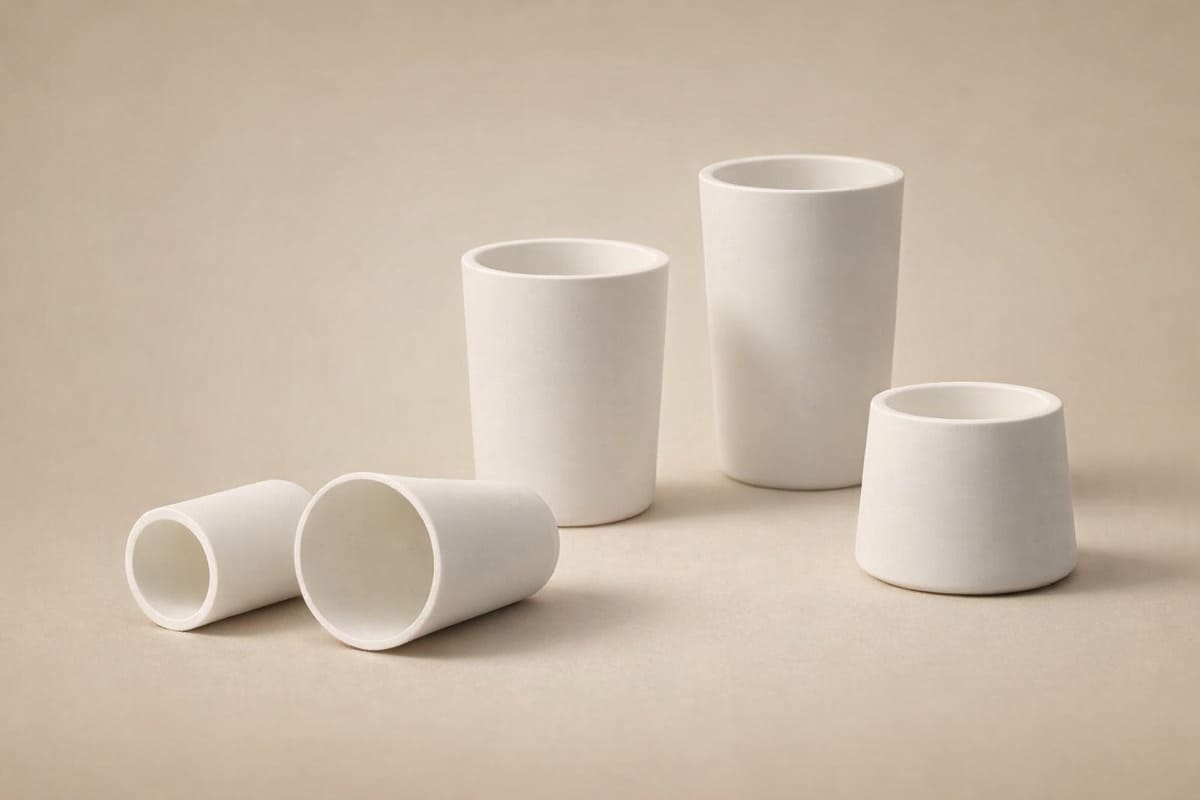
Alumina Crucible
- Custom and standard options available.
- Fast lead times guaranteed.
- High performance at a competitive price.
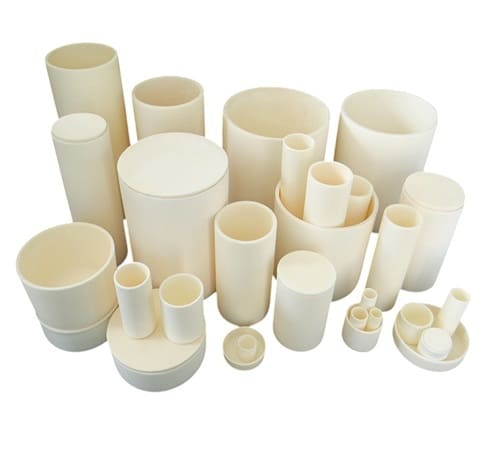
The alumina crucible is a high-purity ceramic container for extreme high-temperature applications up to 1700°C. It offers thermal stability, thermal shock resistance, and chemical inertness. Ideal for melting, sintering, calcining, and high-temperature reactions. Its dense structure ensures sample purity and long service life.NexusX Advanced Materials, as a premier manufacturer and supplier of high-quality. Alumina (Al2O3) products, focuses on producing high-precision aluminum nitride silicon structural compenents through advanced technologies for diverse application fields.
Or email us at [email protected]
Alumina Crucible Data Sheet
Purity: | 95%, 96%, 99%, 99.5%, 99.7%, 99.95% |
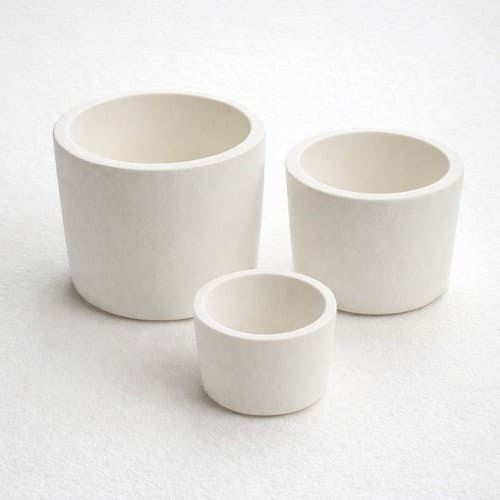
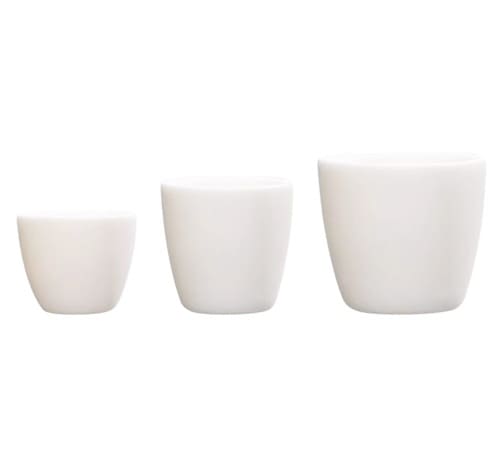
Shape: | Cylinder, Conical Cylinder, Rectangular, or customized according to specific drawings |
Capacity: | 5-1000 ml, or customized |
Color: | White or Ivory |
Density: | 3.7-3.98 g/cm3 |
Alumina Crucible Descriptions
The alumina crucible is a high-performance labware product manufactured from high-purity aluminum oxide (Al₂O₃, typically ≥99%). Engineered for demanding thermal processes, it reliably operates at temperatures up to 1700°C in air, reducing atmospheres, or vacuum conditions. Key characteristics include excellent thermal shock resistance, high mechanical strength at elevated temperatures, and exceptional chemical inertness — it does not react with most metals, slags, glasses, or fluxes. The dense, low-porosity body prevents sample absorption and contamination, ensuring accurate experimental results. Typical applications include melting precious metals, calcining inorganic compounds, sintering ceramic powders, ash determination, and thermal analysis (TGA/DSC). Available in various shapes (cylindrical, conical, high-form) and sizes (from 1 mL to over 1000 mL), alumina crucibles are reusable, durable, and essential for both research laboratories and small-scale industrial production.
Alumina Crucible Specifications
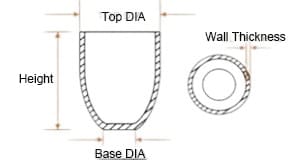
Top Diameter (mm) | Bottom Diameter (mm) | Height (mm) | Wall Thickness (mm) | Capacity (ml) |
25 | 18 | 22 | 1.3 | 5 |
28 | 20 | 27 | 1.5 | 10 |
32 | 21 | 35 | 1.5 | 15 |
35 | 18 | 35 | 1.7 | 20 |
36 | 22 | 42 | 2 | 25 |
39 | 24 | 49 | 2 | 30 |
52 | 32 | 50 | 2.5 | 50 |
61 | 36 | 54 | 2.5 | 100 |
68 | 42 | 80 | 2.5 | 150 |
83 | 48 | 86 | 2.5 | 200 |
83 | 52 | 106 | 2.5 | 300 |
86 | 49 | 135 | 2.5 | 400 |
100 | 60 | 118 | 3 | 500 |
88 | 54 | 145 | 3 | 600 |
112 | 70 | 132 | 3 | 750 |
120 | 75 | 143 | 3.5 | 1000 |
140 | 90 | 170 | 4 | 1500 |
150 | 93 | 200 | 4 | 2000 |
Cylinder Shape Stock Dimensions
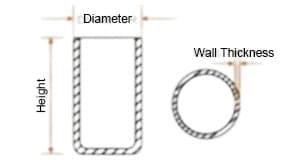
iameter (mm) | Height (mm) | Wall Thickness (mm) | Capacity (ml) |
15 | 50 | 1.5 | 5 |
17 | 21 | 1.75 | 3.4 |
17 | 37 | 1 | 5.4 |
20 | 30 | 2 | 6 |
22 | 36 | 1.5 | 10.2 |
26 | 82 | 3 | 34 |
30 | 30 | 2 | 15 |
35 | 35 | 2 | 25 |
40 | 40 | 2 | 35 |
50 | 50 | 2 | 75 |
60 | 60 | 3 | 130 |
65 | 65 | 3 | 170 |
70 | 70 | 3 | 215 |
80 | 80 | 3 | 330 |
85 | 85 | 3 | 400 |
90 | 90 | 3 | 480 |
100 | 100 | 3.5 | 650 |
110 | 110 | 3.5 | 880 |
120 | 120 | 4 | 1140 |
130 | 130 | 4 | 1450 |
140 | 140 | 4 | 1850 |
150 | 150 | 4.5 | 2250 |
160 | 160 | 4.5 | 2250 |
170 | 170 | 4.5 | 3550 |
180 | 180 | 4.5 | 4000 |
200 | 200 | 5 | 5500 |
240 | 240 | 5 | 9700 |
Rectangular Shape Stock Dimensions
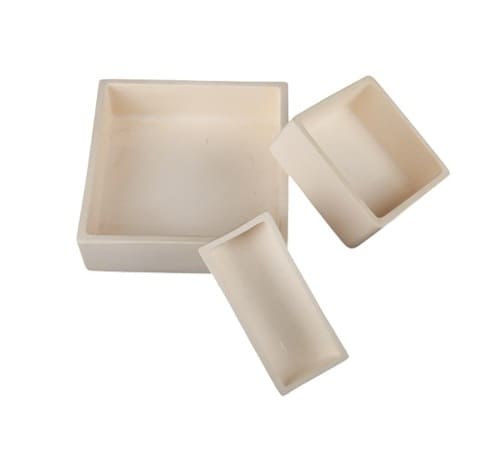
Length (mm) | Width (mm) | Height (mm) | Length (mm) | Width (mm) | Height (mm) |
30 | 20 | 16 | 100 | 60 | 30 |
90 | 20 | 20 | 100 | 100 | 30 |
50 | 40 | 20 | 100 | 100 | 50 |
60 | 30 | 15 | 110 | 80 | 40 |
75 | 52 | 50 | 110 | 110 | 35 |
75 | 75 | 15 | 110 | 80 | 40 |
75 | 75 | 30 | 120 | 75 | 40 |
75 | 75 | 45 | 120 | 120 | 30 |
80 | 80 | 40 | 120 | 120 | 50 |
85 | 65 | 30 | 140 | 140 | 40 |
90 | 60 | 35 | 150 | 150 | 50 |
100 | 20 | 15 | 200 | 100 | 25 |
100 | 20 | 20 | 200 | 100 | 50 |
100 | 30 | 25 | 200 | 150 | 5 |
100 | 40 | 20 |
|
|
|
Alumina Crucible Advantages
- High-Temperature Resistance – Withstands continuous use up to 1700°C and short-term exposure up to 1800°C.
- Excellent Thermal Shock Resistance – Can endure rapid heating and cooling cycles without cracking.
- Chemical Corrosion Resistance – Highly resistant to most acids, alkalis, slags, glasses, and reactive materials.
- Chemically Inert – Non-reactive with most metals, oxides, and fluxes, ensuring sample purity.
- High Mechanical Strength – Maintains structural integrity even at elevated temperatures.
- Low Porosity / High Density – Prevents sample absorption and contamination, easy to clean after use.
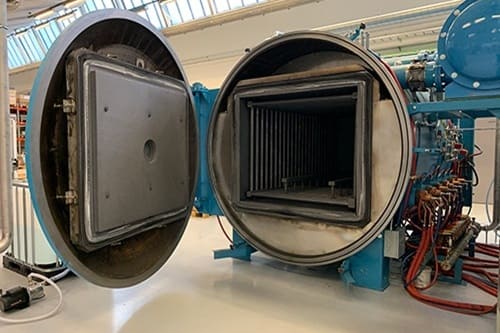
- Gas-Tight Surface – Suitable for vacuum furnaces and controlled atmosphere environments.
- Long Service Life – Durable and reusable, reducing replacement frequency and overall cost.
- Versatility – Compatible with multiple applications: melting, sintering, calcination, ashing, and thermal analysis.
- Wide Range of Sizes and Shapes – Available in cylindrical, conical, high-form, and custom designs to fit various furnace types and sample volumes.
- Non-Wetting to Most Metals – Prevents molten metals from adhering to the crucible wall, facilitating easy removal.
- Environmentally Friendly – Reusable and does not release toxic substances under normal operating conditions.
Alumina Crucible Applications
- Melting of Metals and Alloys – Used for melting precious metals (gold, silver, platinum), non-ferrous metals (copper, aluminum), and specialty alloys.
- Sintering of Ceramic Powders – Supports high-temperature densification of advanced ceramics, oxides, and composites.
- Calcination of Chemical Compounds – Ideal for thermal decomposition of carbonates, nitrates, oxides, and catalyst precursors.
- Ash Determination (Ashing) – Used in muffle furnaces to combust organic materials and measure ash content in coal, polymers, food, and pharmaceutical samples.
- Thermal Analysis (TGA/DSC) – Holds small sample quantities in thermogravimetric analyzers and differential scanning calorimeters.
- Glass Melting and Frit Preparation – Withstands corrosive molten glass and is used for preparing glass frits and glazes.
- Powder Metallurgy – Contains metal powders during compaction and sintering to produce net-shaped parts.
- Chemical Synthesis at High Temperatures – Serves as a reaction vessel for solid-state reactions, hydrothermal synthesis, and high-temperature solution growth.
- Flux Fusion and Digestion – Used for sample preparation in XRF and AA analysis by fusing geological or cement samples with fluxes.
- Crystal Growth – Provides a stable, inert container for growing oxide crystals (e.g., sapphire, YAG).
- Laboratory R&D and Quality Control – Widely employed in academic, industrial, and analytical labs for small-batch, high-purity thermal processing.
- Waste Incineration and Residue Testing – Used for controlled combustion of hazardous or test materials in environmental analysis.

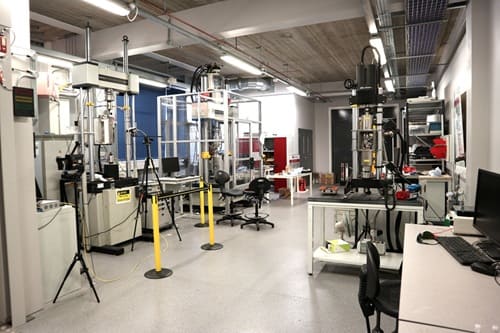

Alumina Ceramic Machining
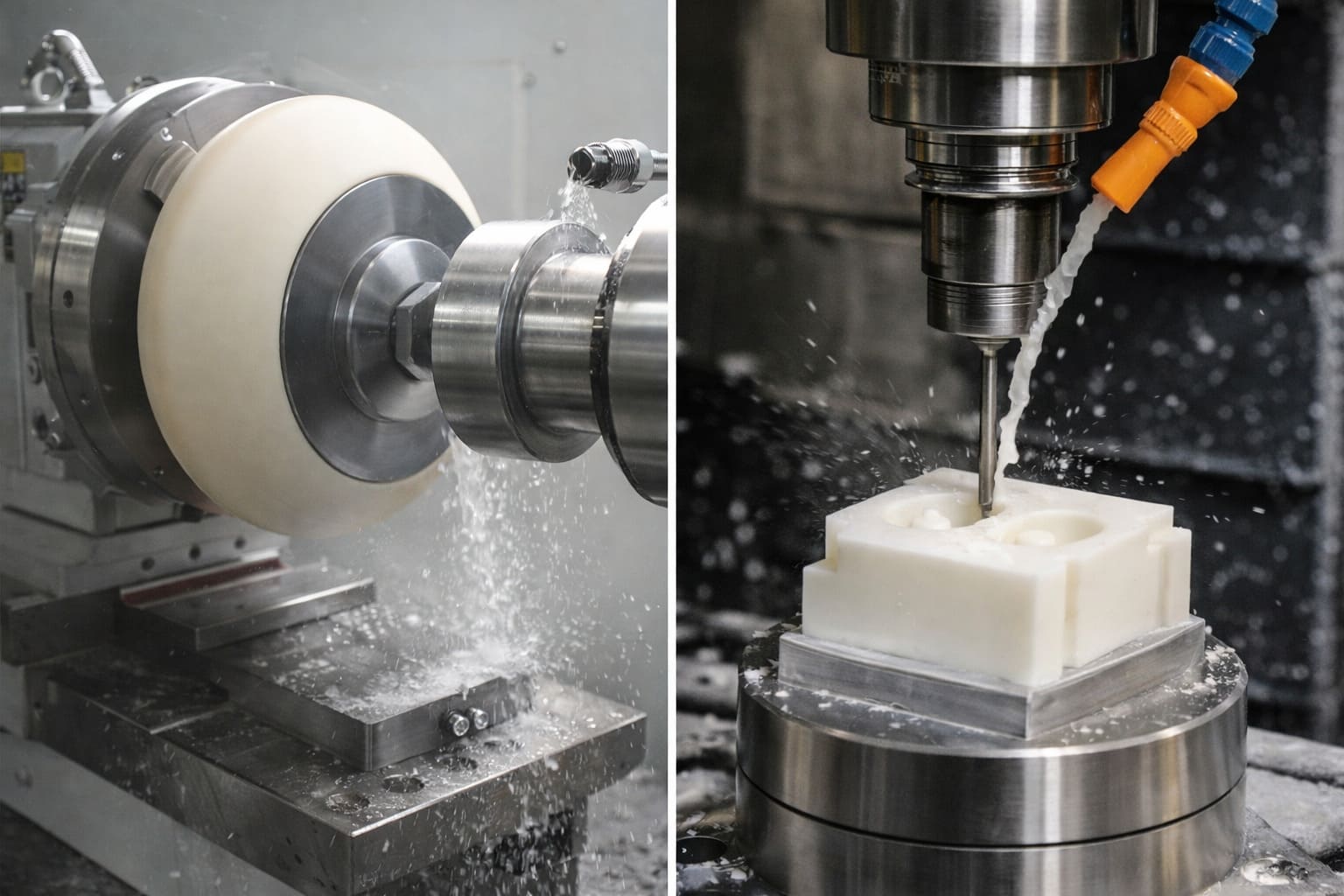
Alumina ceramics are produced through methods such as injection molding, die pressing, isostatic pressing, slip casting, and extrusion. After sintering and densification, machining requires diamond grinding techniques. Advanced Ceramic Hub utilizes cutting-edge green and biscuit machining technology to produce more complex components with traditional methods. Our advanced machining center includes drilling, grinding, milling, polishing, sawing, tapping, threading, and turning, enabling the manufacture of alumina ceramic components with tight tolerances and high complexity. During the machining process, the following precautions should be observed:
- Shrinkage Control: Alumina ceramics shrink by about 20% during sintering, requiring dimensional adjustments in the green body stage.
- Tolerance Control: Precise tolerances are unachievable in the green or pre-sintered state; fine machining should follow sintering.
- Diamond Grinding: Post-sintering, high-hardness alumina requires diamond grinding, as conventional methods fall short.
- Tool Selection: Diamond-coated tools or grinding wheels are essential to handle ceramic hardness and prevent tool damage.
- Temperature Control: Strict temperature management during sintering prevents cracking or deformation.
- Stress Management: Excessive stress during machining must be avoided to prevent brittle failure.
- Cutting Speed and Feed Rate: Controlled speeds and feeds ensure quality and extend tool life.
- Surface Treatment: Post-machining polishing removes defects, enhancing performance and appearance.
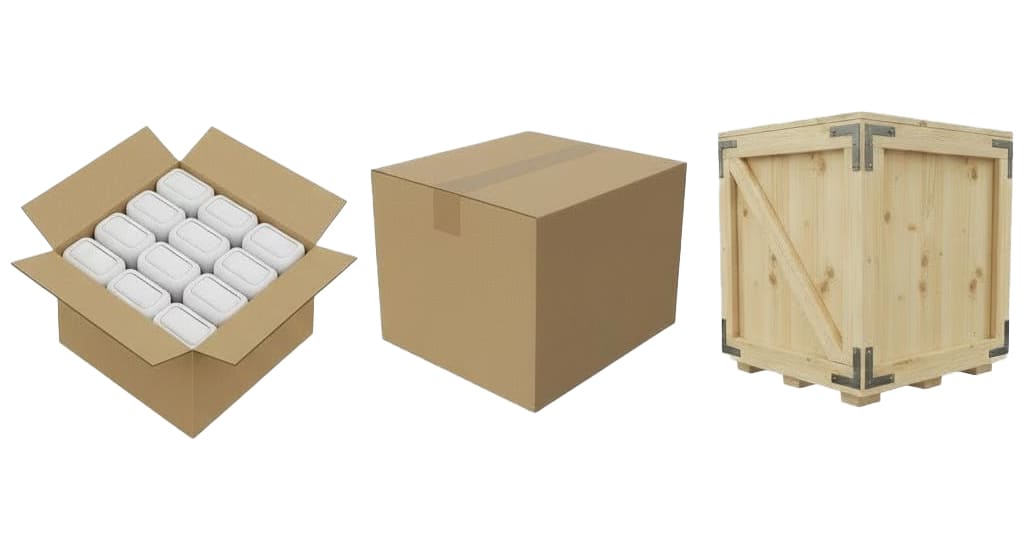
Alumina Ceramic Packaging
The Alumina Ceramic products are carefully placed in wooden cases or cartons with additional support from soft materials to prevent any shifting during transportation. This packaging method guarantees the integrity of the products throughout the delivery process.
Download
- SAFETY DATA SHEET (SDS) -Alumina Crucible
FAQ
What is an alumina crucible used for?
An alumina crucible is used for high-temperature applications such as melting metals, sintering ceramics, calcining powders, ash determination, and thermal analysis.
What temperature can an alumina crucible withstand?
High-purity alumina crucibles can typically withstand continuous use up to 1700°C and short-term exposure up to 1800°C.
Can an alumina crucible be used in a vacuum furnace?
Yes, dense alumina crucibles have a gas-tight, low-porosity surface and are suitable for vacuum furnaces and controlled atmosphere furnaces.
What is the difference between an alumina crucible and a graphite crucible?
Alumina crucibles are inert and oxidation-resistant, suitable for air and oxidizing atmospheres up to 1700°C, while graphite crucibles require inert or reducing atmospheres to prevent burning.
Can an alumina crucible be used for melting glass?
Yes, alumina crucibles are commonly used for melting glass, preparing glass frits, and working with glazes due to their excellent corrosion resistance to molten glass.
Get A Quote
Request a personalized quote tailored to your specific requirements.