
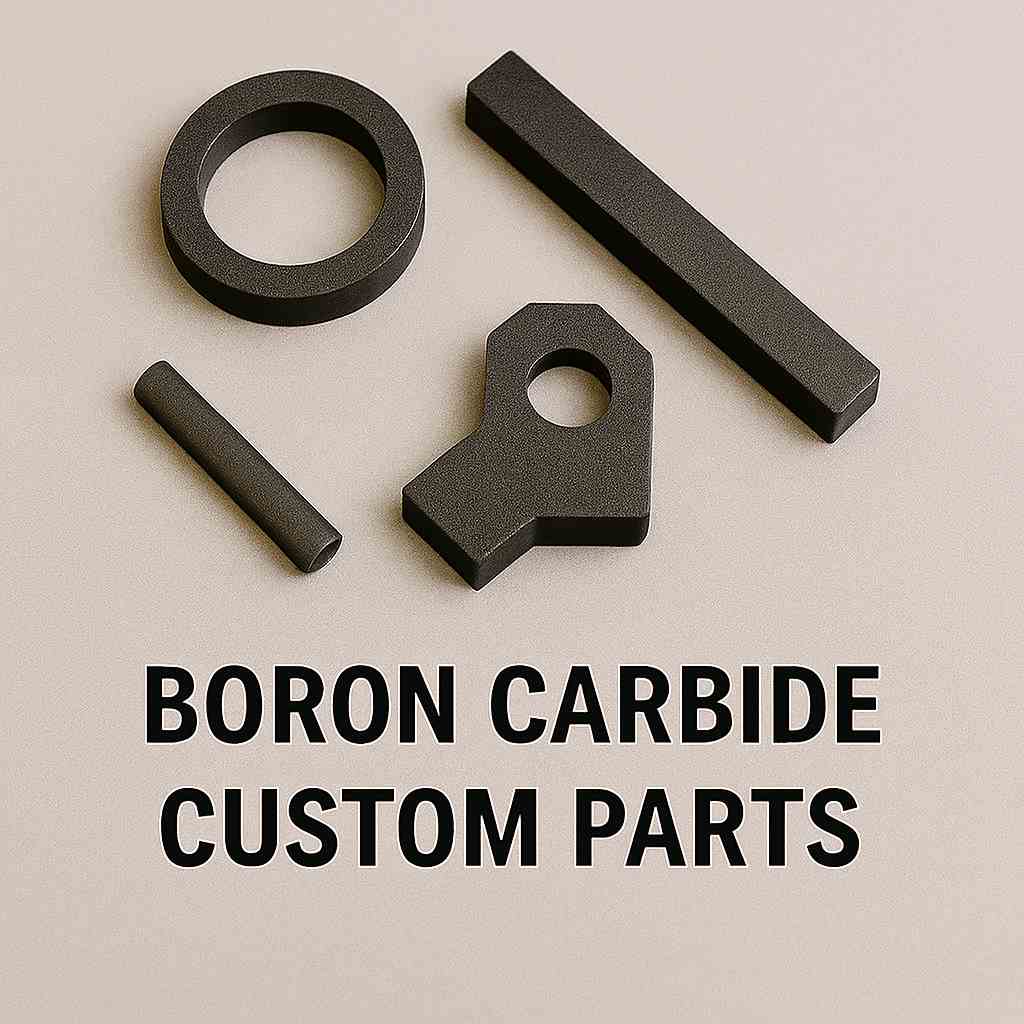
Boron Carbide Nozzle
- Custom and standard options available.
- Fast lead times guaranteed.
- High performance at a competitive price.
Or email us at [email protected]
Boron Carbide Nozzle Data Sheet
| Purity: | ≥99.5% |
| Apparence: | Black or grey |
| Chemical Formula: | B₄C |
| Density: | 2.46-2.62 g/cm³ |
Boron Carbide Nozzle Description
Boron Carbide is a ceramic material with exceptional hardness close to that of diamond and cubic boron nitride, commonly manufactured through sintering processes. Boron carbide nozzles are made using hot-pressing or pressureless sintering, offering high hardness, wear resistance, and superior high-temperature and corrosion resistance. Their lifespan is three times longer than conventional hard alloys like tungsten carbide and silicon carbide. NexusX provides high-precision boron carbide nozzles with consistent quality and minimal size variation, suitable for both large-scale and custom production.
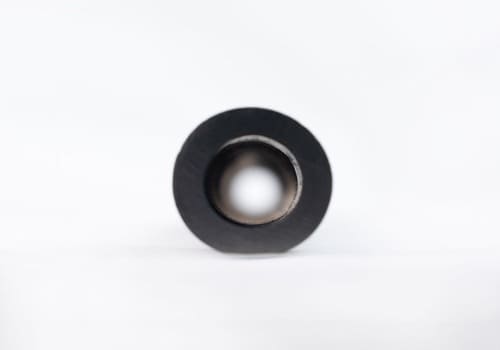
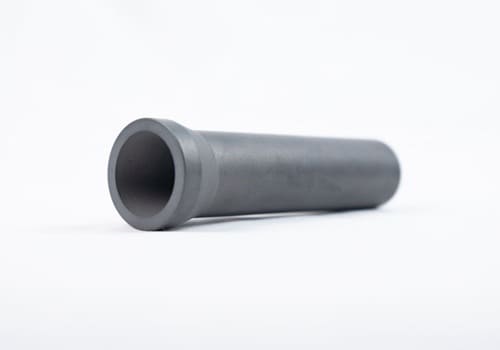
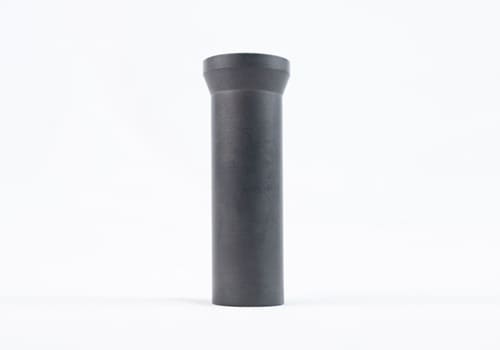
Boron Carbide Nozzle Specifications
| Length (mm) | Outer Diameter (mm) | Inner Diameter (mm) | Length (mm) | Outer Diameter (mm) | Inner Diameter (mm) |
| 35 | 20 | 4 | 60 | 20 | 8 |
| 35 | 20 | 6 | 60 | 20 | 10 |
| 35 | 20 | 8 | 60 | 25 | 10 |
| 35 | 20 | 10 | 80 | 20 | 4 |
| 35 | 20 | 12 | 80 | 20 | 6 |
| 45 | 20 | 6 | 80 | 20 | 8 |
| 45 | 20 | 8 | 80 | 20 | 10 |
| 45 | 15 | 6 | 80 | 20 | 12 |
| 55 | 15 | 6 | 80 | 29 | 10 |
| 55 | 20 | 5 | 80 | 29 | 12 |
| 55 | 20 | 8 | 82 | 21 | 6 |
| 60 | 20 | 6 | 82 | 21 | 8 |
Boron Carbide Nozzle Applications
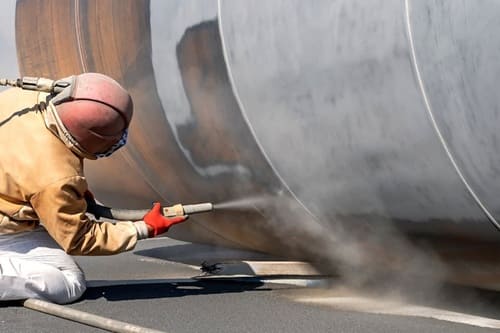
- Abrasive Blasting & Surface Treatment: Serves as the core component of sandblasting guns to propel abrasive media (e.g., corundum, quartz sand) for cleaning rust, deburring, or roughening workpiece surfaces. Its ultra-high wear resistance maintains consistent jet intensity, ensuring uniform surface treatment effects over long periods.
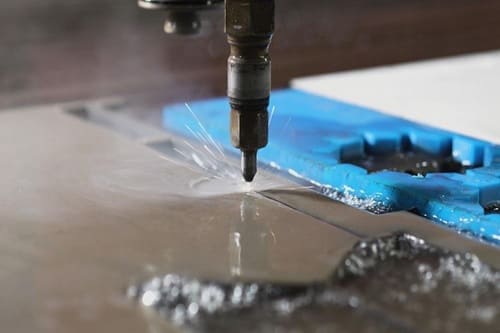
- High-Pressure Water Jet Cutting: Used in ultra-high-pressure water jet cutting systems for cutting materials like metal, stone, glass, and composites. It withstands extreme water pressure to form a stable, high-speed water jet, avoiding frequent nozzle replacement and preserving cutting precision.
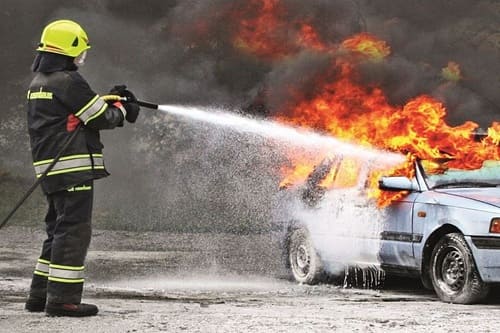
- Chemical & Environmental Protection Spraying: Applied in chemical reagent spraying, flue gas desulfurization (FGD) systems in power plants, and acidic/alkaline waste gas treatment equipment. Its excellent corrosion resistance resists erosion from harsh chemical media, ensuring reliable operation of environmental protection and chemical processing equipment.
- Powder Conveying & Injection: Utilized in industries such as metallurgy and new energy for conveying or injecting fine powders (e.g., metal powders, catalyst powders). The nozzle’s smooth inner wall and wear resistance prevent powder accumulation and material wear, ensuring unobstructed, efficient powder flow.
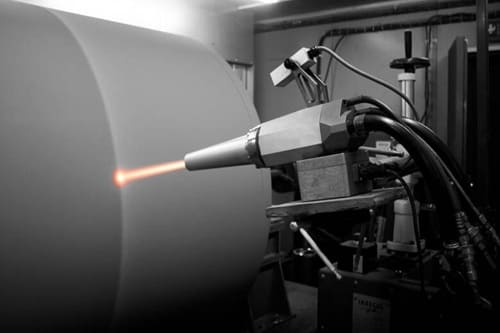
- High-Temperature Gas Spraying: Employed in thermal spraying processes (e.g., coating metal workpieces with protective layers). Its high thermal stability tolerates the high temperatures of hot gas streams, maintaining structural integrity to deliver a uniform spray of coating materials.

Boron Carbide Ceramic Packaging
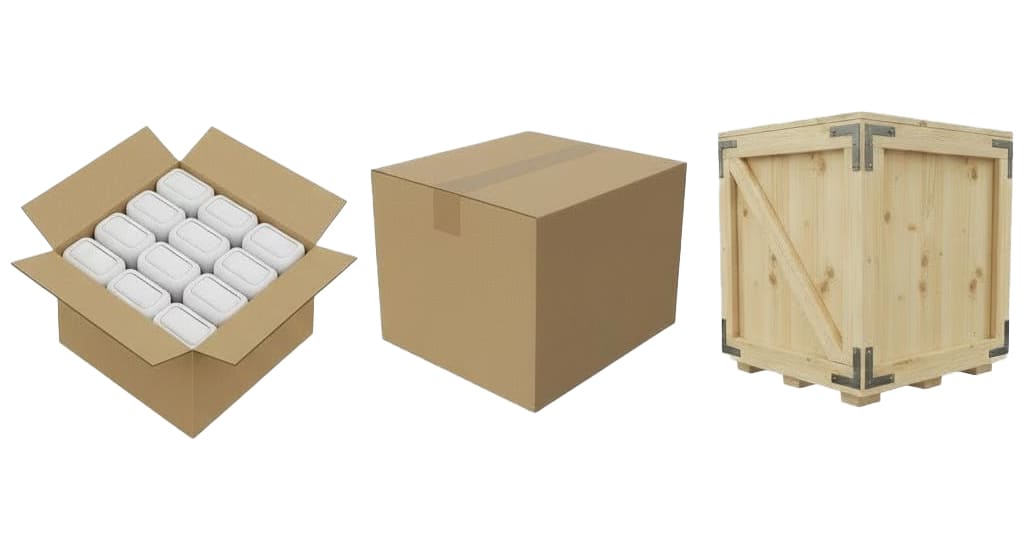
Boron Carbide ceramic products are typically packaged in vacuum-sealed bags to prevent moisture or contamination and wrapped with foam to cushion vibrations and impacts during transport, ensuring the quality of products in their original condition.
Download
- SAFETY DATA SHEET (SDS) -Boron Carbide Nozzle
FAQ
What are the core performance advantages of boron carbide nozzles compared to traditional ceramic nozzles (e.g., alumina nozzles)?
The core advantages lie in wear resistance and overall service life. Boron carbide has much higher hardness than traditional alumina ceramics. In high-frequency wear scenarios such as sandblasting and high-pressure fluid conveyance, its wear rate is lower, and its service life is usually several times that of traditional ceramic nozzles. Additionally, boron carbide also has better corrosion resistance and thermal stability, enabling it to maintain structural stability in acidic/alkaline media and high-temperature environments—conditions where traditional ceramic nozzles are prone to corrosion or deformation due to high temperatures.
Can boron carbide nozzles be used to handle strongly corrosive media? What limitations should be noted?
They can be used in most strongly corrosive scenarios, but there are specific limitations. Boron carbide has high chemical inertness and can resist most acidic and alkaline media (such as conventional reagents in the chemical industry and slurries in power plant flue gas desulfurization systems). However, it has poor resistance to hot concentrated sulfuric acid and hydrofluoric acid, and is prone to chemical erosion when in contact with these two strong corrosive agents. Therefore, its use should be avoided in working conditions involving these two corrosive substances.
In high-pressure water jet cutting equipment, why are boron carbide nozzles preferred over metal nozzles?
This is mainly determined by the “extreme pressure” and “precision requirements” of high-pressure water jets. Metal nozzles (e.g., stainless steel nozzles) have low hardness. Under the high pressure of hundreds of megapascals, they are easily worn by the high-speed water flow, leading to enlarged nozzle orifices, dispersed jet streams, and subsequent reduction in cutting precision. In contrast, boron carbide has extremely high hardness, allowing it to withstand the impact of high-pressure water flow for a long time, maintain stable nozzle orifice size, ensure the concentration of the jet stream and cutting precision, and reduce downtime caused by frequent nozzle replacement due to wear.
During the installation and use of boron carbide nozzles, what specific operational details should be paid attention to to avoid damage?
Two core details need attention: First, avoid mechanical impact. Although boron carbide has high hardness, it is relatively brittle. During installation, do not strike the edge of the nozzle with hard objects; instead, install and tighten it gently to prevent cracking. Second, control medium impurities. If the conveyed fluid or powder contains large granular impurities (e.g., metal chips, coarse sand), it is easy to clog the nozzle or cause increased local wear. Therefore, a filtering device should be installed at the front end of the nozzle to filter out impurities in advance.
Are boron carbide nozzles suitable for high-temperature environments? What are the typical high-temperature application scenarios?
Get A Quote
Request a personalized quote tailored to your specific requirements.