
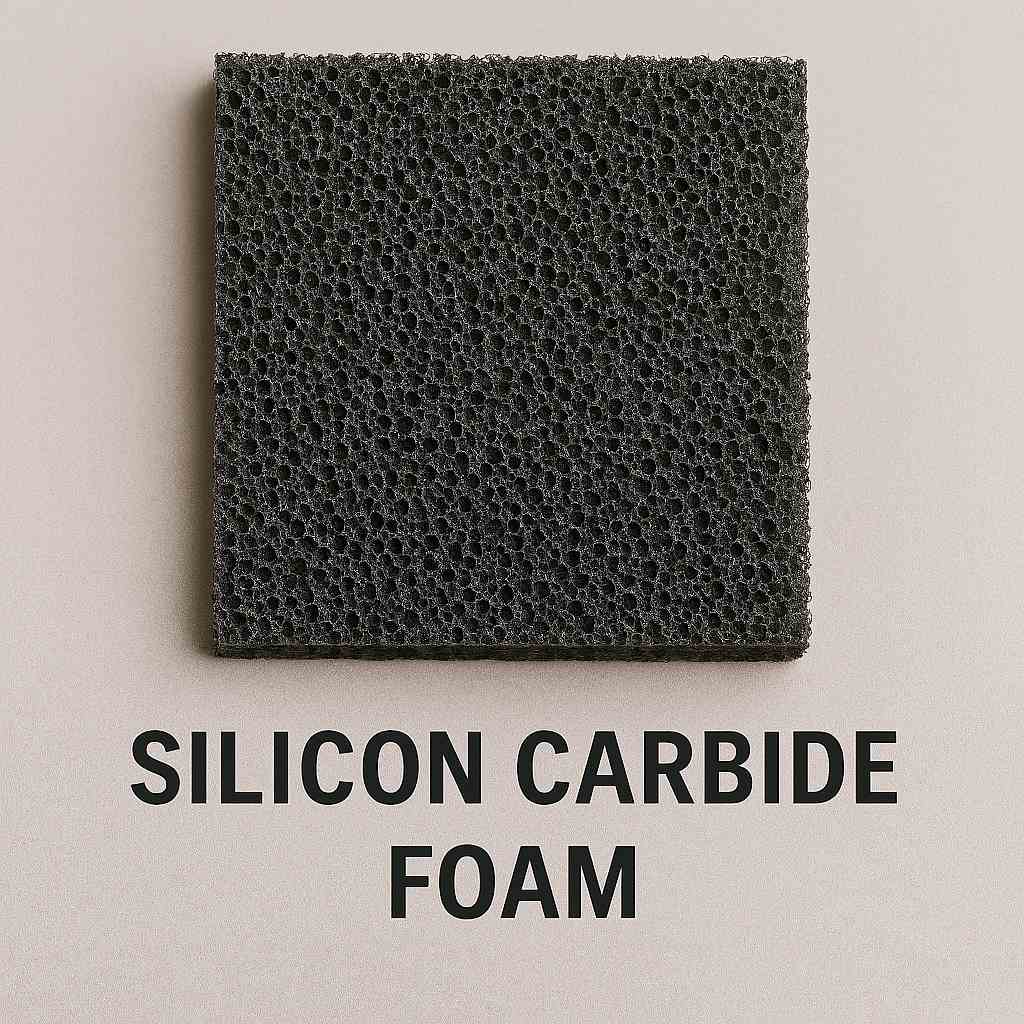
Silicon Carbide Foam
- Custom and standard options available.
- Fast lead times guaranteed.
- High performance at a competitive price.
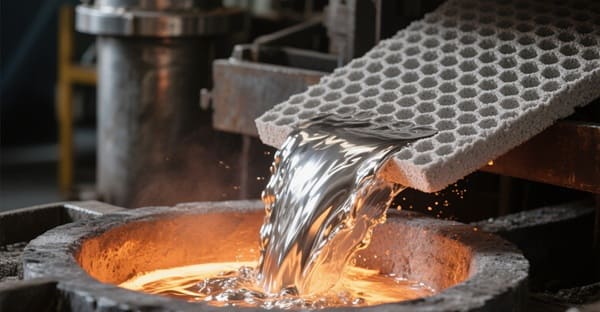
Silicon Carbide Foam offers excellent filtration performance for molten metals, especially ductile and gray iron. Its high strength, thermal shock resistance, and open-cell structure allow efficient impurity removal and reduced turbulence, improving casting quality and mechanical properties. We can supply high-quality silicon carbide foam with various specifications and competitive prices, offering customized solutions to meet specific requirements. NexusX Advanced Materials, as a premier manufacturer and supplier of high-quality silicon carbide products, focuses on producing high-precision silicon carbide foam for diverse applications.
Or email us at [email protected]
Silicon Carbide Plate/Sheet/Disc Data Sheet
| Shape: | Round, Square |
| Chemical Composition | SiC, Al2O3, SiO2 |
| Porosity (%) | 80–90% |
| Pore Density (PPI) | 7PPI–45PPI |
| Operating Temperature (°C) | ≤1500°C |
| Room Temperature Bending Strength (MPa) | 0.8 MPa |
| Room Temperature Compression Strength (MPa) | 1.0 MPa |
| Thermal Shock Resistance | 1100°C to room temperature, 6 times |
| Bulk Density (g/cm³) | 0.4–0.5 g/cm³ |
Silicon Carbide Foam Description
Silicon Carbide Foam is an advanced ceramic material ideal for high-temperature filtration applications, particularly in the casting of ductile iron, gray iron, and copper-based alloys. It offers outstanding thermal shock resistance, mechanical strength, and chemical stability, allowing it to perform reliably in extreme molten metal environments. The open-cell structure enables effective removal of inclusions and impurities, while also reducing turbulence and gas content during pouring. This contributes to improved surface finish, structural integrity, and overall quality of cast components.
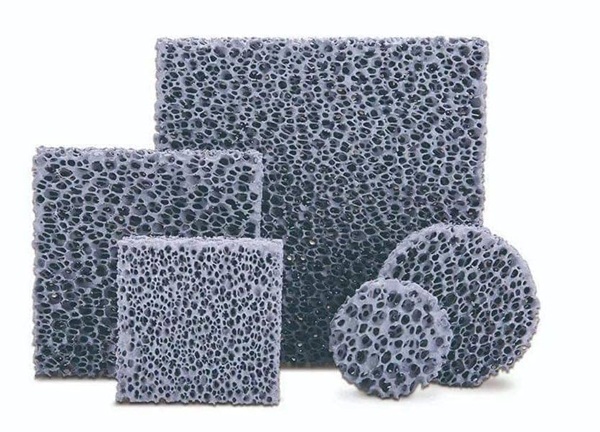
Silicon Carbide Foam Stock Specifications
| Shape And Size (mm) | Circular | Φ40×15, Φ50×22, Φ60×22, Φ70×22, Φ80×22, Φ90×22, Φ100×22, Φ125×25, Φ150×30, Φ200×40 |
| Square | 30×50×22, 40×40×22, 50×50×22, 75×50×22, 100×50×22, 75×75×22, 100×75×22, 100×100×22, 150×100×22, 150×150×40, 300×150×40, 125×125×30, 120×120×25 | |
| Custom Dimensions | Sizes can be customized to specific requirements. | |
Silicon Carbide Foam Filtration Capacity
| Dimensions (mm) | Filter Capacity(kg) (10ppi) | Flow Rate (kg/s) (10ppi) | Filter Capacity(kg) (20ppi) | Flow Rate (kg/s) (20ppi) | Filter Capacity (kg) (30ppi) | Flow Rate (kg/s) (30ppi) |
|---|---|---|---|---|---|---|
| 40×40×15 | 64 | 4 | 50 | 3 | 42 | 2 |
| 50×30×22 | 60 | 4 | 47 | 3 | 40 | 2 |
| 50×50×15 | 100 | 6 | 78 | 3.5 | 66 | 3 |
| 50×50×22 | 144 | 9 | 112 | 6 | 95 | 5 |
| 75×50×22 | 220 | 14 | 175 | 10 | 149 | 8 |
| 100×50×22 | 200 | 12 | 155 | 9 | 133 | 7 |
| 100×75×22 | 300 | 18 | 232 | 13 | 199 | 11 |
| 100×100×22 | 400 | 24 | 310 | 18 | 265 | 15 |
| 150×150×22 | 900 | 54 | 698 | 40 | 596 | 33 |
| 200×200×30 | 1600 | 95 | 1240 | 58 | 1060 | 48 |
| Dia 40×22 | 40 | 3 | 39 | 2 | 33 | 2 |
| Dia 50×22 | 70 | 4.5 | 61 | 4 | 52 | 3 |
| Dia 60×22 | 100 | 6.5 | 88 | 5 | 75 | 4 |
| Dia 70×22 | 140 | 8.8 | 119 | 7 | 102 | 6 |
| Dia 75×22 | 170 | 10 | 137 | 8 | 117 | 6.5 |
| Dia 80×22 | 200 | 11 | 156 | 9 | 133 | 7 |
| Dia 90×22 | 240 | 14 | 197 | 11 | 169 | 9 |
| Dia 100×22 | 280 | 17 | 243 | 14 | 208 | 12 |
| Dia 125×22 | 400 | 24 | 380 | 22 | 325 | 18 |
| Dia 150×22 | 700 | 38 | 548 | 32 | 468 | 26 |
| Dia 200×30 | 1240 | 67 | 973 | 56 | 832 | 46 |
Silicon Carbide Foam Advantages
- High Thermal Shock Resistance: Maintains structural integrity under rapid temperature changes during metal casting.
- Excellent Filtration Efficiency: Effectively removes inclusions and impurities from molten metals.
- High Mechanical Strength: Withstands the pressure and flow of molten metal without deformation.
- Chemical Stability: Resistant to corrosion and chemical attack from various metal alloys.
- Improved Casting Quality: Reduces turbulence and gas content, enhancing the final microstructure and strength of cast parts.
Silicon Carbide Foam Applications
- Molten Metal Filtration: Widely used in aluminum, copper, and iron casting to remove impurities and improve metal quality.
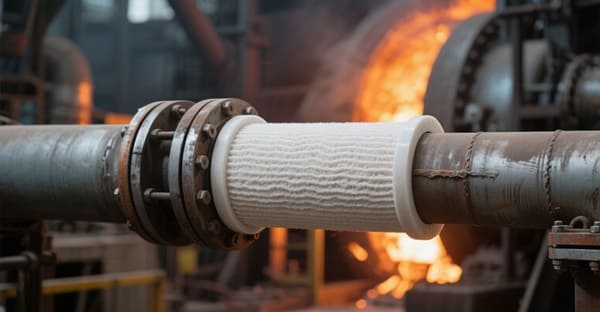
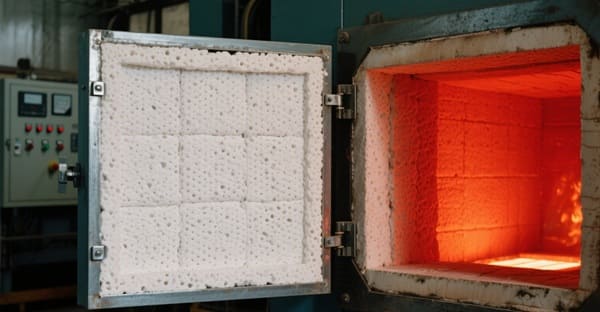
- High-Temperature Insulation: Acts as a thermal barrier in industrial furnaces and kilns due to its excellent heat resistance.
- Gas and Liquid Filtration: Serves in chemical plants and environmental systems to filter aggressive gases and corrosive liquids.
- Catalyst Support: Used in petrochemical processes as a durable and chemically stable support structure.
- Aerospace and Defense Components: Provides lightweight, strong support structures for thermal protection and vibration damping.
Silicon Carbide Foam Packaging
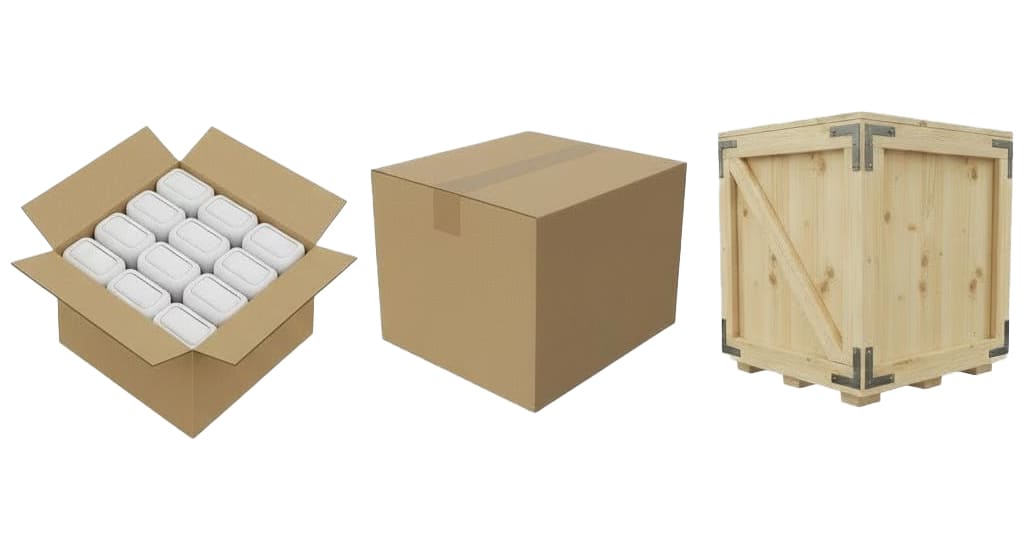
Silicon carbide foam filter products are typically packaged in vacuum-sealed bags to prevent moisture or contamination and wrapped with foam to cushion vibrations and impacts during transport, ensuring the quality of products in their original condition.
Download
- SAFETY DATA SHEET (SDS) -Silicon Carbide Foam
FAQ
What is silicon carbide (SiC) foam and what are its core properties?
Silicon carbide foam is a porous material composed of interconnected SiC skeletons and a large number of pores. It has core properties including high porosity, excellent high-temperature resistance, good thermal conductivity, strong corrosion resistance, and low density, which allows it to perform well in harsh environments such as high temperature and chemical corrosion.
What is the key principle for preparing silicon carbide foam?
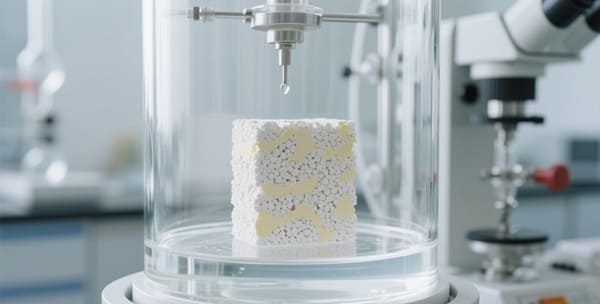
The most common preparation method is the template replication method, which usually uses organic polymer foam as the template, immerses the template in SiC slurry to make the slurry evenly adhere to the template skeleton, then undergoes drying and high-temperature sintering processes, during which the organic template is decomposed and removed, and the SiC particles are bonded to form a porous structure with interconnected pores.
What advantages does silicon carbide foam have over traditional porous metal or ceramic foam materials?
Compared with porous metal foam, SiC foam has better high-temperature stability and will not oxidize or deform easily at high temperatures, and it also has stronger corrosion resistance to resist the erosion of acid, alkali and other chemical media. Compared with ordinary ceramic foam, it has higher thermal conductivity and mechanical strength, and its low density feature also makes it more lightweight and suitable for scenarios requiring weight reduction.
What are the typical application scenarios of silicon carbide foam?
Typical application scenarios of SiC foam include industrial molten metal filtration, where it can effectively remove impurities in molten aluminum or molten copper to improve metal purity; it can also be used as high-temperature thermal insulation and heat exchange components in industrial kilns; in addition, it serves as a catalyst carrier in the chemical industry and a sound absorption material in high-temperature noise reduction systems.
What precautions should be taken when using silicon carbide foam?
Get A Quote
Request a personalized quote tailored to your specific requirements.