
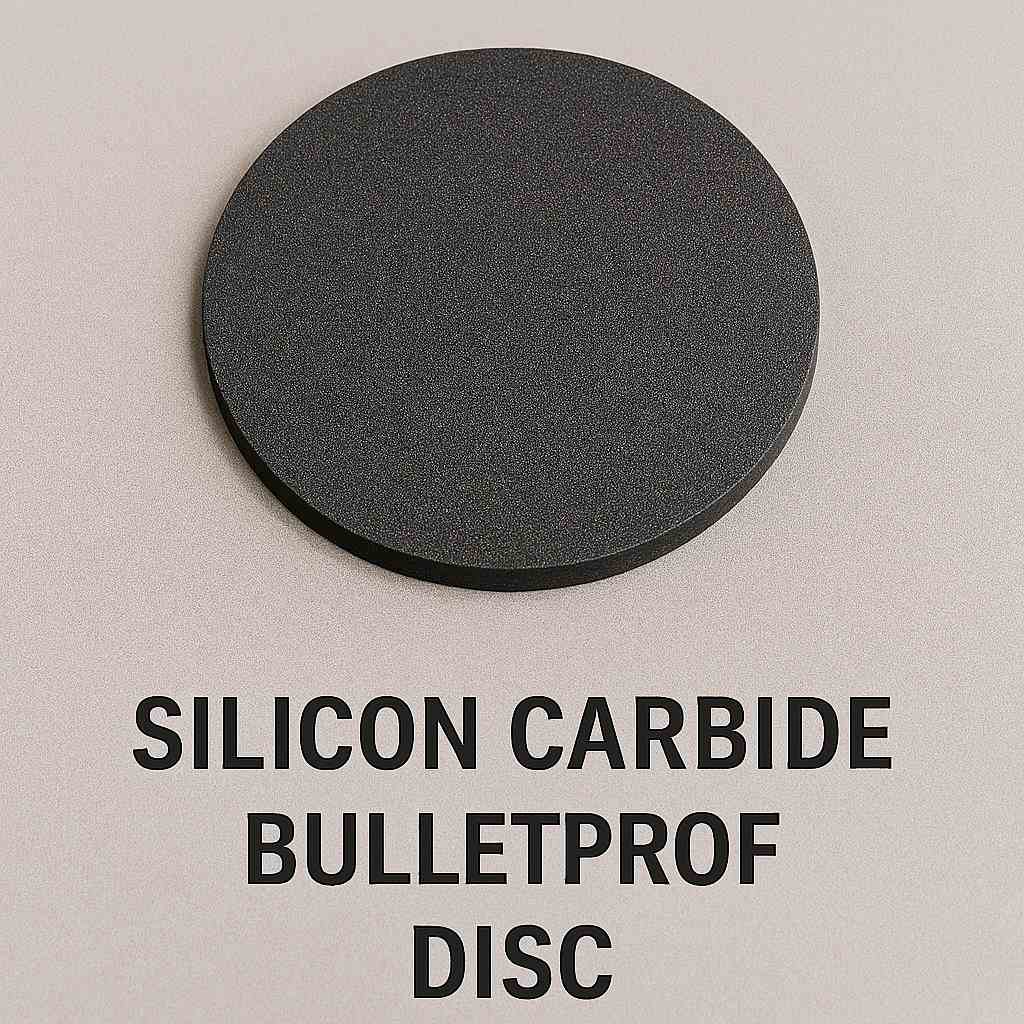
Silicon Carbide Plate
- Custom and standard options available.
- Fast lead times guaranteed.
- High performance at a competitive price.
Silicon Carbide Plate is an advanced ceramic material with exceptional hardness, thermal stability, and chemical resistance. It is widely used in semiconductor manufacturing, ballistic armor, high-temperature furnace components, aerospace, mechanical seals, and precision optics. As a leading supplier and manufacturer of premium silicon carbide products, we can supply high-quality silicon carbide plates, sheets, and discs with various specifications and competitive prices, offering customized solutions to meet specific requirements. NexusX Advanced Materials, as a premier manufacturer and supplier of high-quality silicon carbide products, focuses on producing high-precision silicon carbide plates for diverse applications.
Or email us at [email protected]
Silicon Carbide Plate Data Sheet
| Purity: | 97% – 99% |
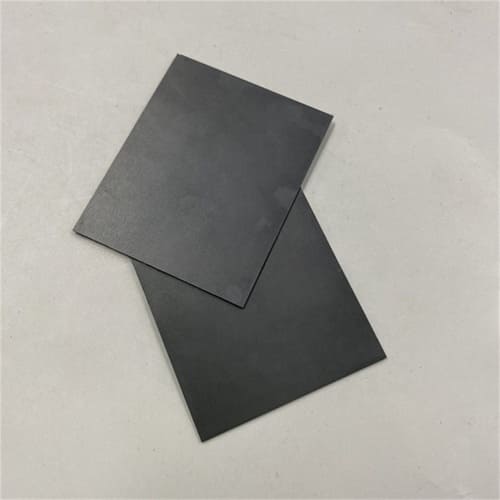
| Color: | Black or Dark grey |
| Chemical Formula: | SiC |
| Material Grades: | Reaction Bonded SiC, Pressureless Sintered SiC, Hot-pressed SiC, etc. |
| Density: | >3.2 g/cm³ |
| Maximum Operating Temperature: | 1500°C |
| Thermal Conductivity: | 120W/m·K |
Silicon Carbide Plate Description
Silicon Carbide Plate has superior wear resistance, high thermal conductivity, and lightweight properties, making it an ideal choice under extreme conditions. It is widely used in semiconductor manufacturing, ballistic armor, high-temperature furnace components, aerospace, etc. NexusX Advanced Materials can supply high-precision silicon carbide plates with customized solutions to meet diverse industry and research applications.
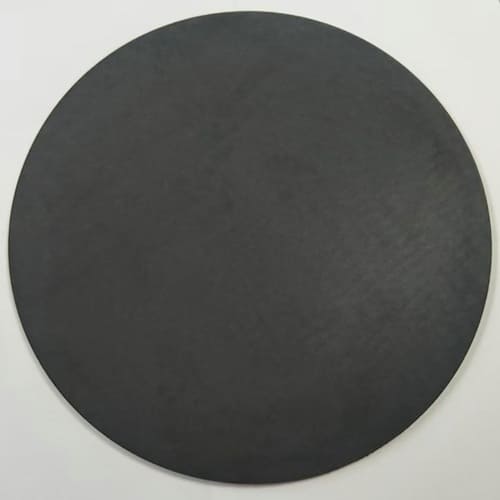
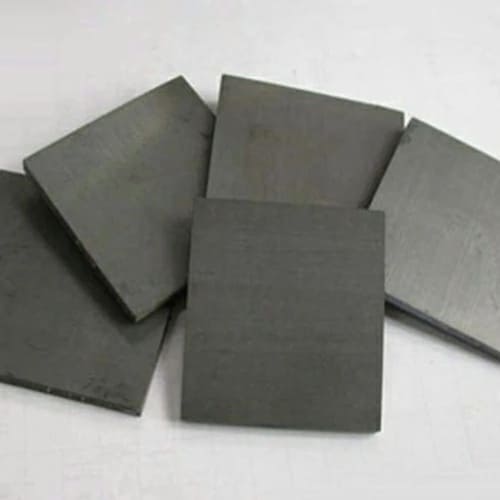
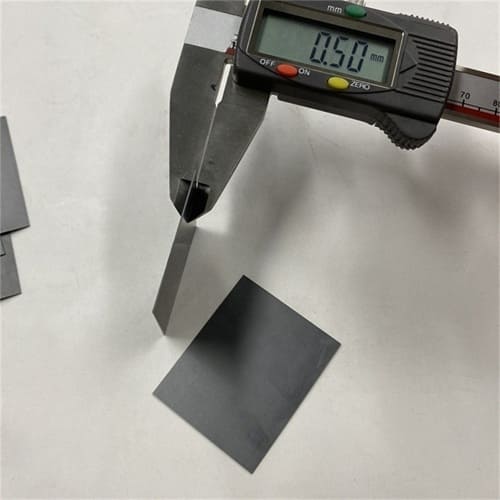
Silicon Carbide Plate Features
- High temperature resistance
- Exceptional hardness and wear resistance
- Outstanding thermal conductivity and shock resistance
- Chemical inertness in corrosive environments
- Low thermal expansion
- Lightweight
Silicon Carbide Plate Applications
High-Temperature Furnace Industry: Used as kiln furniture, rollers, setters, and rails for sintering, brazing, and heat treatment processes.
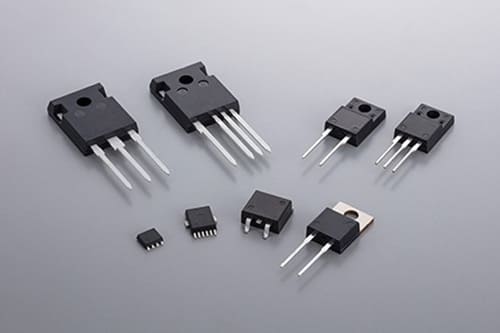
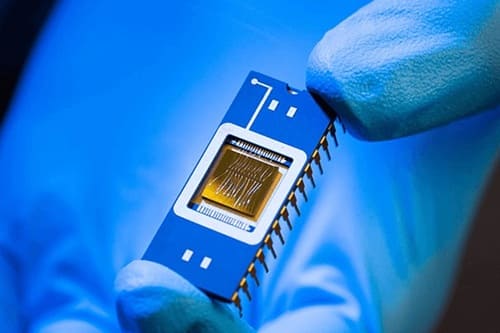
Semiconductor Manufacturing: Serves as wafer boats, diffusion paddles, and epitaxy trays, critical in chip fabrication.
Wear & Sealing Components: Applicable for nozzles, bearings, and mechanical seal rings.
Lightweight & Ballistic Protection: Utilized in advanced armor and aerospace components due to its high hardness and low density.


Silicon Carbide Ceramic Packaging
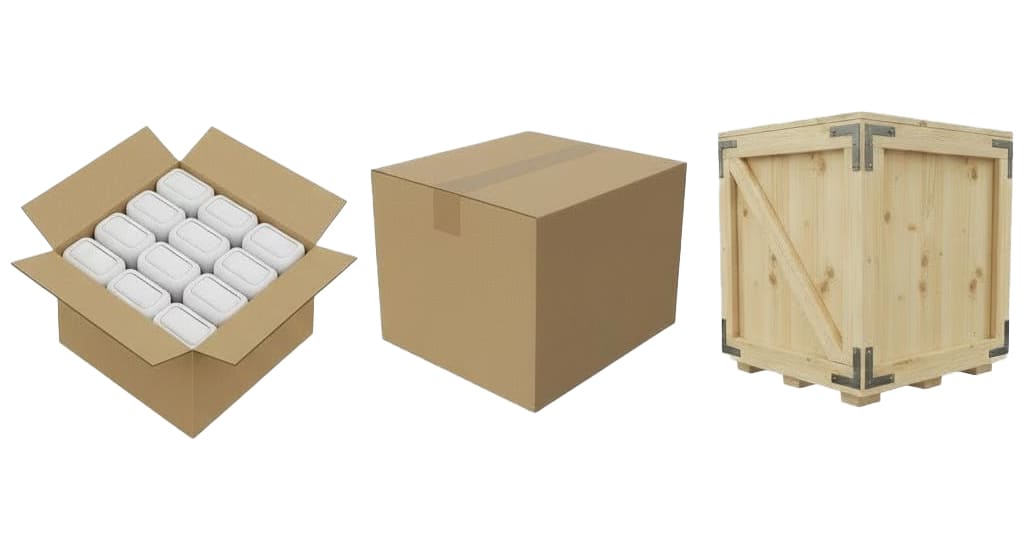
Silicon carbide ceramic products are typically packaged in vacuum-sealed bags to prevent moisture or contamination and wrapped with foam to cushion vibrations and impacts during transport, ensuring the quality of products in their original condition.
Download
- SAFETY DATA SHEET (SDS) -Silicon Carbide Plate
FAQ
Why is the silicon carbide plate suitable for high-temperature industrial applications?
It has a melting point of around 2700°C, can maintain stable mechanical properties at high temperatures, and features excellent thermal conductivity (which avoids thermal deformation) as well as good thermal shock resistance — these traits let it operate reliably in high-temperature scenarios like industrial kilns.
What are the common classification types of silicon carbide plates?
They are mainly classified by manufacturing process. Reaction-bonded SiC has lower cost and suits general industrial use; pressureless-sintered SiC offers high purity and density along with excellent wear resistance; hot-pressed SiC has ultra-high density and strength, making it fit for high-demand scenarios.
What advantages does the silicon carbide plate have over traditional metal or ceramic plates?
Compared with metal plates, they are more corrosion-resistant and heat-resistant; compared with ordinary ceramic plates, they have better mechanical strength and thermal shock resistance. They are also lighter than same-size metal plates and more wear-resistant than most materials.
What are the typical application scenarios of the silicon carbide plate?
Their typical application scenarios include industrial kilns, where they act as furnace liners and heat insulation plates; in mechanical equipment, they serve as wear-resistant gaskets, sealing rings and cutting tool substrates; in the electronic industry, they work as heat dissipation sheets for high-power devices; and in the chemical industry, they function as corrosion-resistant lining plates for reactors.
What precautions should be taken when using teh silicon carbide plate?
Get A Quote
Request a personalized quote tailored to your specific requirements.