
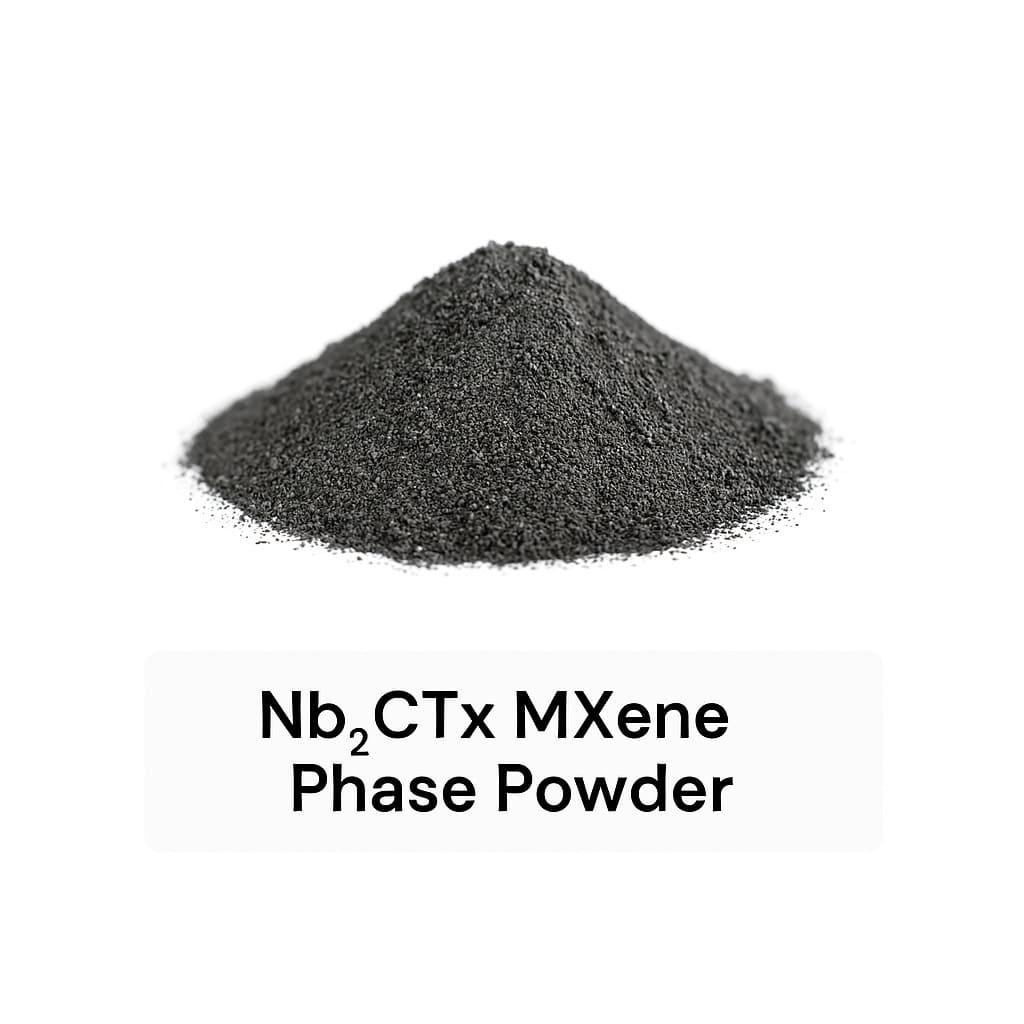
Nb2CTx MXene Phase Powder
Nb₂CTₓ MXene Phase Powder is a two-dimensional niobium-based carbide material, belonging to the MXene family, produced by selectively etching the aluminum layer from its precursor Nb₂AlC MAX phase. The resulting layered structure is surface-functionalized with groups such as -O, -OH, and -F (denoted as Tₓ), which grant the material hydrophilicity, tunable electronic properties, and enhanced chemical reactivity. Nb₂CTₓ exhibits good electrical conductivity, notable chemical stability, and promising electrochemical activity. It is widely studied for applications in advanced energy storage systems—including lithium-ion and sodium-ion batteries—as well as in electromagnetic interference (EMI) shielding, gas sensing, and electrocatalysis, benefiting from the unique properties of niobium such as high redox activity and corrosion resistance.
- Custom and standard options available.
- Fast lead times guaranteed.
- High performance at a competitive price.
Nb2CTx MXene Phase Powder Data Sheet
| Purity: | ≥98% |
| Size : | 2–20 µm, 200–1000 nm or customized |
| Molecular Weight: | 198 g/mol |
Nb2CTx MXene Phase Powder Description
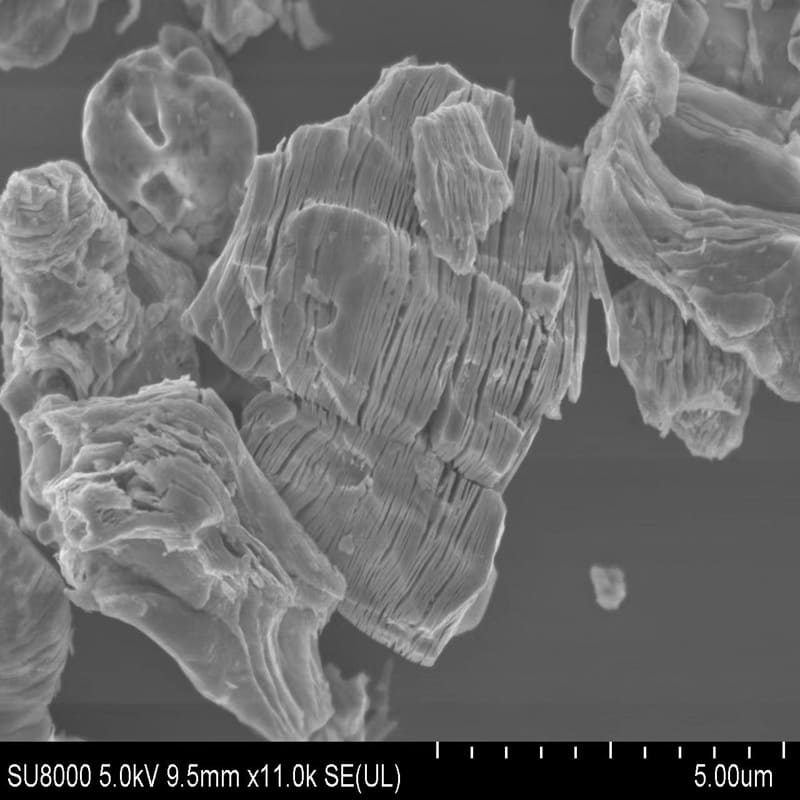
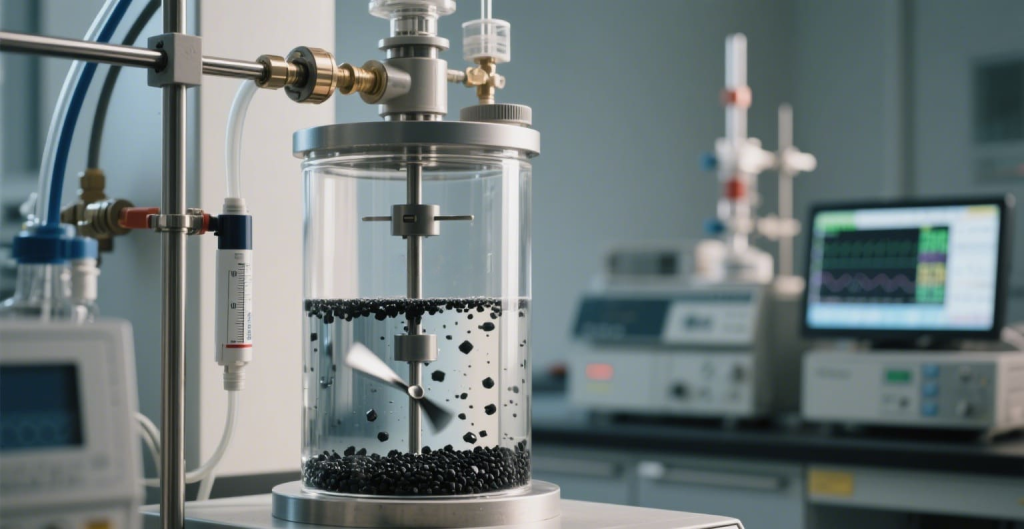
Nb₂CTₓ MXene Phase Powder is a two-dimensional transition metal carbide nanomaterial synthesized through the selective etching of aluminum from the Nb₂AlC MAX phase precursor, typically using hydrofluoric acid or fluoride-containing etchants. This process yields accordion-like, multilayered particles terminated with surface functional groups (Tₓ), such as -O, -OH, and -F, which critically influence its hydrophilicity, surface charge, and electrochemical behavior. Characterized by its niobium-rich composition, this MXene exhibits distinct advantages including good metallic electrical conductivity, excellent chemical and electrochemical stability, and a high concentration of active sites suitable for redox reactions. Its layered architecture provides a large specific surface area and interlayer spacing conducive to ion intercalation. Consequently, Nb₂CTₓ is a highly promising material for advanced energy storage applications—notably as an electrode material in lithium-ion, sodium-ion, and potassium-ion batteries, as well as in supercapacitors. Beyond energy storage, it demonstrates significant potential in electromagnetic interference (EMI) shielding, photocatalysis, gas sensing, and reinforcement for composite materials, leveraging the inherent properties of niobium such as corrosion resistance and redox activity.
Nb2CTx MXene Phase Powder SEM
Nb2CTx MXene Phase Powder Specifications
| Attribute | Multilayer Nb2CTx Powder | Single-Layer Nb2CTx Powder |
| Etching Process | HF Etching | HF + Intercalating Agent Delamination |
| Size | 2–20 (µm) | 200–1000 (nm) |
| Number of Layers | Multilayer | ≤5 Layers |
| Conductivity (S/cm) | 1–10 | 10–100 |
| Surface Groups | -OH, =O, -F | |
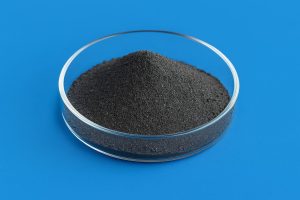
| Appearance | Brown powdered material | |
| Structure | Two-dimensional layered material | |
| Production Method | Prepared using hydrofluoric acid/intercalation reaction/lithium substitution, with excellent oxidation resistance | |
| Performance | Niobium compounds show outstanding performance in high-voltage zinc-ion batteries | |
| Storage | Stored in vacuum drying or inert environments | |
Nb2CTx MXene Phase Powder Features
- Niobium-Based Composition: A two-dimensional carbide with niobium (Nb) as the primary transition metal.
- Layered Structure: Features a stacked, accordion-like morphology with tunable interlayer spacing.
- Surface Functionalization: Terminated with -O, -OH, and -F groups (Tₓ) that govern hydrophilicity and reactivity.
- Good Electrical Conductivity: Exhibits metallic conductivity suitable for electronic applications.
- High Chemical Stability: Shows strong resistance to oxidation and degradation in various environments.
- Electrochemical Activity: Offers rich redox activity, beneficial for energy storage and catalysis.
- Ion Intercalation Capability: Its layered structure facilitates the insertion/extraction of ions (e.g., Li⁺, Na⁺).
Nb2CTx MXene Phase Powder Applications
- Advanced Battery Electrodes: Used as an anode or cathode material for lithium-ion, sodium-ion, and potassium-ion batteries, leveraging its high capacity and stable ion intercalation.
- Supercapacitors: Applied in high-performance supercapacitor electrodes due to its good conductivity and large electrochemically active surface area.
- Electromagnetic Interference (EMI) Shielding: Integrated into polymer composites and coatings for effective, lightweight EMI shielding in electronics.
- Photocatalysis & Environmental Remediation: Utilized as a catalyst in photocatalytic degradation of pollutants and for water purification via adsorption.
- Chemical Sensing: Developed into sensitive gas sensors (e.g., for NO₂, NH₃) and biosensors due to its surface reactivity and electrical response.
- Reinforced Composites: Incorporated into polymers or ceramics to enhance mechanical strength, thermal stability, and electrical properties.
- Optoelectronics: Investigated for potential use in transparent conductive films and photodetection devices.


Nb2CTx MXene Phase Powder Packaging
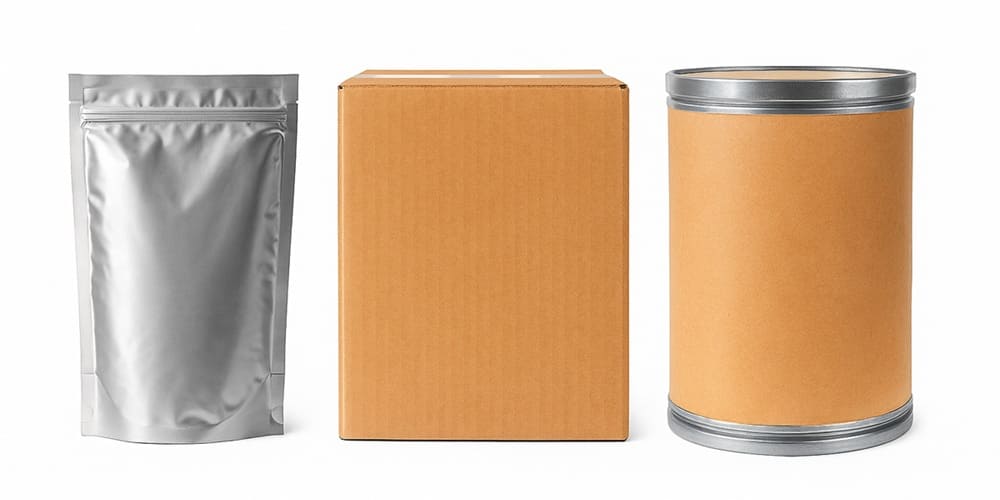
Nb2CTx MXene Phase Powder is typically packaged in sealed, moisture-proof plastic bags, then placed in sturdy drum containers or fiber cartons to prevent contamination and ensure safe transport. Standard packaging sizes include 1 kg, 5 kg, and 10 kg options, with custom packaging available upon request to meet specific usage or storage needs.
Download
- SAFETY DATA SHEET (SDS) -Nb2CTx MXene Phase Powder
FAQ
What is Nb₂CTₓ MXene?
It is a two-dimensional niobium-based carbide MXene material, synthesized by selectively etching the aluminum layer from its precursor MAX phase (e.g., Nb₂AlC), with surface functional groups (Tₓ) such as -O and -OH.
What are its key properties?
Key properties include good electrical conductivity, high chemical and electrochemical stability, rich redox activity, hydrophilicity, and a tunable layered structure.
Why is it notable in electrochemical applications?
Due to the multivalent nature and high redox activity of niobium (Nb), Nb₂CTₓ exhibits high capacity and excellent cycling stability in ion batteries (e.g., Li/Na/K-ion) and supercapacitors.
Can Nb₂CTₓ be used for environmental remediation?
Yes, its high specific surface area and active sites make it suitable for photocatalytic degradation of organic pollutants or as an adsorbent for water purification.
Is it suitable for sensor materials?
Yes, its electrical properties are sensitive to surface-adsorbed gas molecules, making it applicable in developing highly sensitive gas sensors for NO₂, NH₃, etc.
Get A Quote
Request a personalized quote tailored to your specific requirements.