Aluminum Silicon Carbide IGBT Substrate

aluminum silicon carbide igbt substrate

Aluminum Silicon Carbide IGBT Substrate

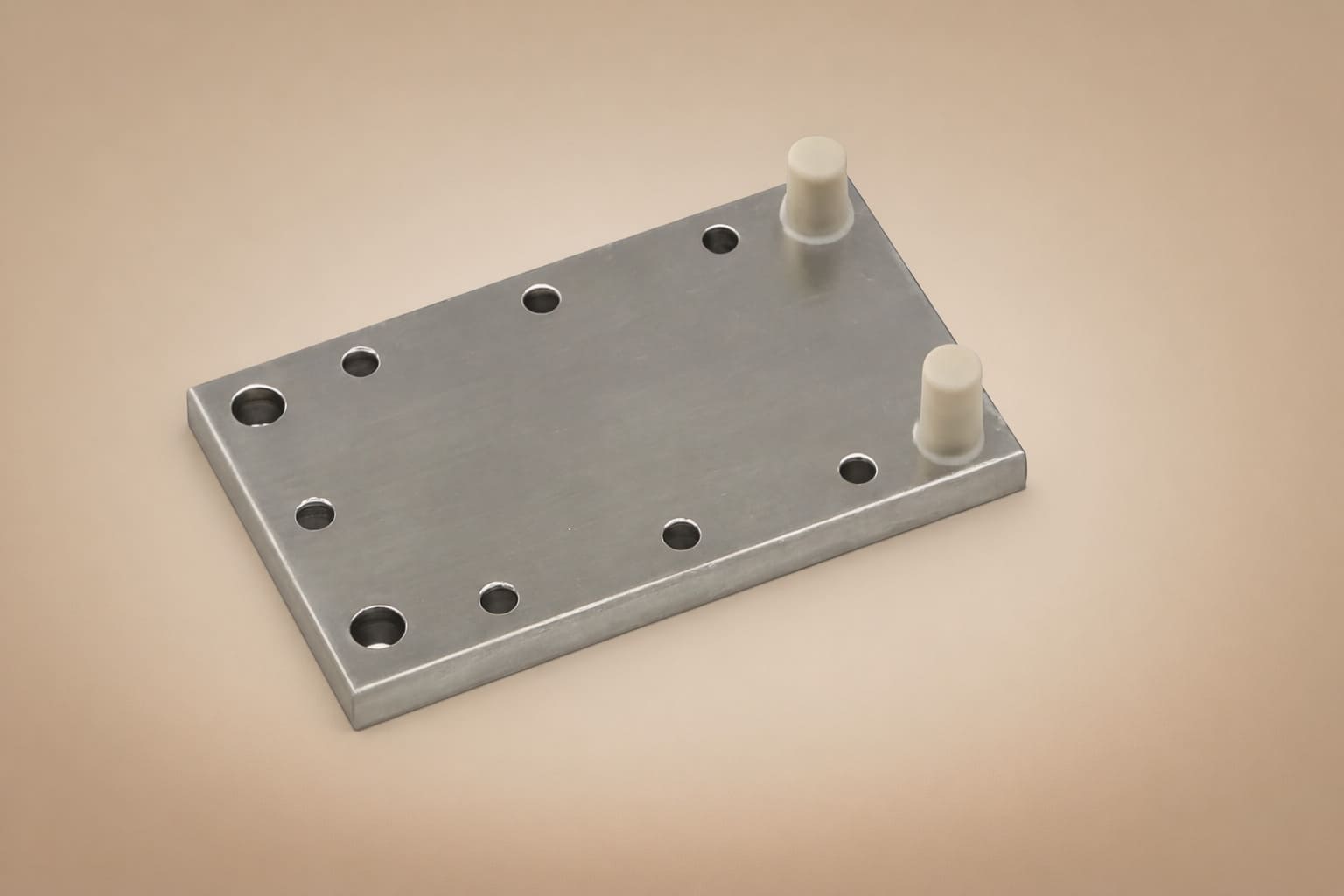
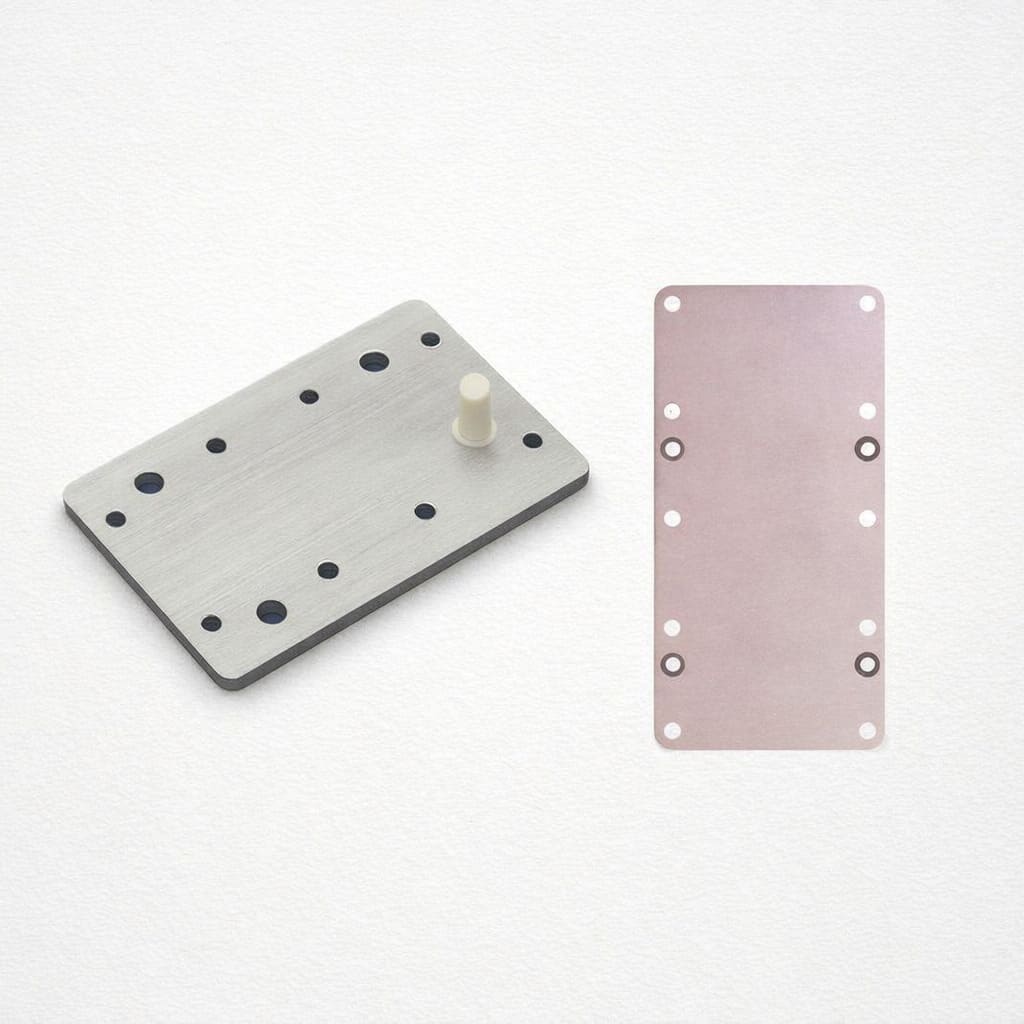
The Aluminum Silicon Carbide IGBT substrate is a high-performance composite material designed for power electronics packaging. It combines the high thermal conductivity of aluminum with the low coefficient of thermal expansion (CTE) of silicon carbide, closely matching that of semiconductor chips. This CTE compatibility minimizes thermal stress during power cycling, while the material’s excellent heat dissipation ensures reliable operation of IGBT modules in demanding applications such as electric vehicles, renewable energy systems, and industrial drives.NexusX Advanced Materials, as a premier manufacturer and supplier of high-quality Aluminum Silicon Carbide IGBT Substrate products, focuses on producing high-precision aluminum nitride silicon structural compenents through advanced technologies for diverse application fields.

Or email us at [email protected]

Aluminum Silicon Carbide IGBT Substrate Data Sheet

Chemical Formula:Al-SiC
Shape:Substrate
Dimension:Standard or customized

Aluminum Silicon Carbide IGBT Substrate Description

The Aluminum Silicon Carbide (AlSiC) IGBT substrate is a highly advanced and specialized composite material engineered as a direct bond copper (DBC) or baseplate solution for high-power Insulated Gate Bipolar Transistor (IGBT) modules, where it uniquely provides a near-perfect thermal expansion match to the semiconductor chip (silicon or silicon carbide), thereby dramatically reducing thermomechanical stress and solder joint fatigue during intense power cycling, while its high thermal conductivity efficiently transfers heat from the die to the cooling system, ensuring maximum power density, enhanced long-term reliability, and superior performance in the most demanding applications such as electric vehicle traction inverters, industrial motor drives, and renewable energy converters.

aluminum silicon carbide igbt substrate3

Aluminum Silicon Carbide Material Chemical Composition

TechnologyMaterial Reference CodeVolume FractionPerformance AdvantagesApplication Directions
SiC (%)Al (%)
RSPM + HIP (Rapid Solidification + HIP)HMA151585✔High specific strength & stiffness
✔Low density
✔Excellent wear resistance
✔Good heat resistance
✔Lightweight and wear-resistant components
✔Alternative to aluminum alloys, cast steel, cast iron, and titanium alloys
✔Brake components, pistons, connecting rods, fighter belly fins, helicopter rotor forgings
HMA303070
HMA404060✔High specific strength & stiffness
✔High micro-yield strength
✔Low thermal expansion
✔High thermal conductivity
✔Aerospace and defense applications
✔Optical mirrors, inertial navigation system components
✔Alternative to beryllium, glass-ceramics, quartz glass
HMA505050
Pressure Infiltration (PI)HMA555545✔High specific modulus
✔Low density
✔Low thermal expansion
✔High thermal conductivity
✔Thermal management materials for military and civilian use
✔Military IGBT substrates, PCB substrates, heat dissipation baseplates
✔Electronic component bases and housings, power amplifier module housings and bases
✔Alternative to W/Cu, Mo/Cu, Kovar alloys
HMA656535
HMA707030

Aluminum Silicon Carbide IGBT Substrate Features

  • CTE Matching: Its coefficient of thermal expansion is tunable to closely match silicon or SiC chips, minimizing critical thermal stress.
  • High Thermal Conductivity: Efficiently transfers heat away from the IGBT die, enabling higher power density and reliability.
  • High Stiffness & Strength: Provides robust mechanical support and maintains dimensional stability under thermal and mechanical loads.
  • Lightweight: Significantly lighter than traditional copper-molybdenum or copper-tungsten solutions, aiding system weight reduction.
  • Electrical Insulation (as baseplate): When used as a baseplate, it provides the necessary electrical isolation for the module assembly.
  • Hermetic Sealability: Allows for direct and reliable brazing or soldering to create a hermetic power module package.
  • Excellent Thermal Cycling Reliability: Exceptional performance in harsh power cycling environments, drastically extending module lifespan.

Aluminum Silicon Carbide IGBT Substrate Applications

  • Electric & Hybrid Vehicle Traction Inverters: Core substrate for power modules controlling the main drive motor, requiring high power density and extreme reliability.
  • Industrial Motor Drives & UPS Systems: Used in high-power frequency converters and uninterruptible power supplies for manufacturing and critical infrastructure.
  • Renewable Energy Converters: Key component in solar inverters and wind turbine converters, handling high power and demanding outdoor environmental cycles.
  • Rail Transportation Power Systems: Applied in traction converters and auxiliary power units for high-speed trains and locomotives.
  • High-Pensity Automotive & On-board Chargers (OBC): Enables compact, efficient designs for electric vehicle fast charging systems.
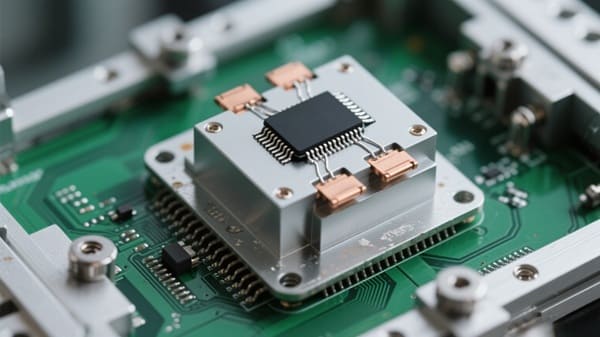
power electronics modules
industrial automation
renewable energy systems
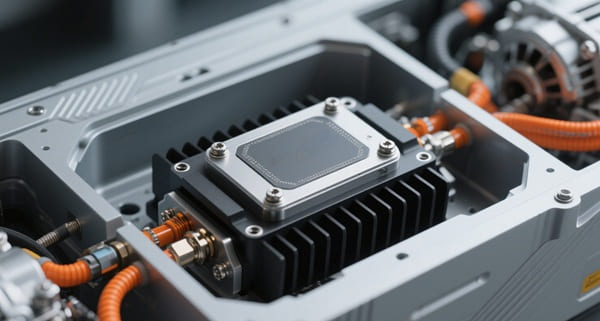
electric vehicles

Aluminum Silicon Carbide Packaging

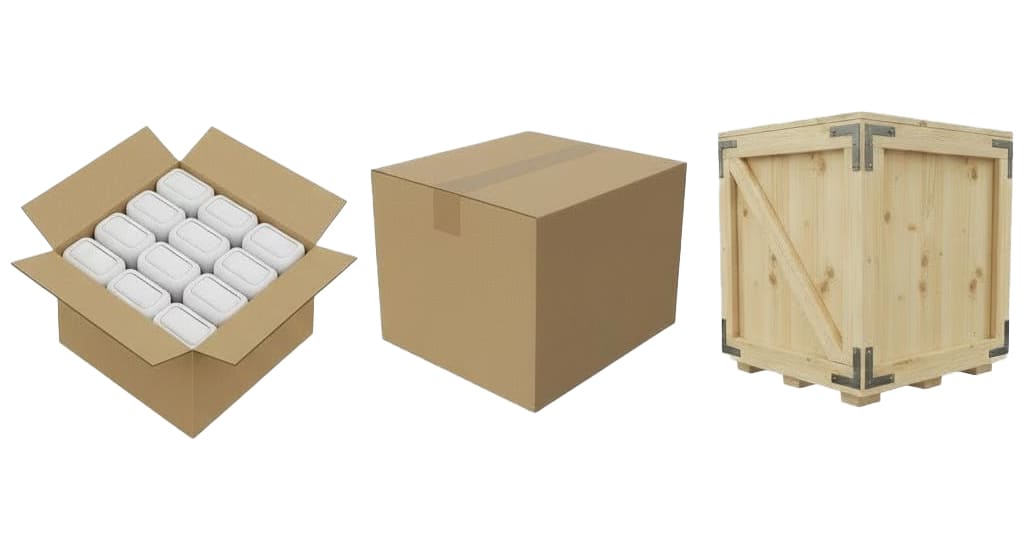
Aluminum silicon carbide ceramic products are typically packaged in vacuum-sealed bags to prevent moisture or contamination and wrapped with foam to cushion vibrations and impacts during transport, ensuring the quality of products in their original condition.

packaging

Download

FAQ

What is an Aluminum Silicon Carbide IGBT substrate, and what is its primary function?

It is a composite substrate designed for high-power IGBT modules, whose core function is to provide efficient heat dissipation and match the thermal expansion of semiconductor chips, thereby enhancing power density and reliability.

AlSiC’s thermal expansion coefficient can be tailored to closely match silicon or SiC chips, significantly reducing thermal stress, while offering high thermal conductivity and lightweight properties. Copper’s high CTE often leads to solder joint fatigue.

By matching the chip’s CTE, it reduces mechanical stress during power cycling, prevents solder layer cracking, and extends module lifespan in harsh environments like electric vehicle drives.

It typically requires module redesign due to different physical properties, but compatibility can be achieved by adapting soldering processes and layout.

It enables lighter, more compact key components like onboard chargers and traction inverters, withstands thermal shock from frequent start-stop cycles, and improves vehicle efficiency and range.

Get A Quote

Request a personalized quote tailored to your specific requirements. 

error: Content is protected !!