Aluminum Silicon Carbide Heat Sink
- Custom and standard options available.
- Fast lead times guaranteed.
- High performance at a competitive price.
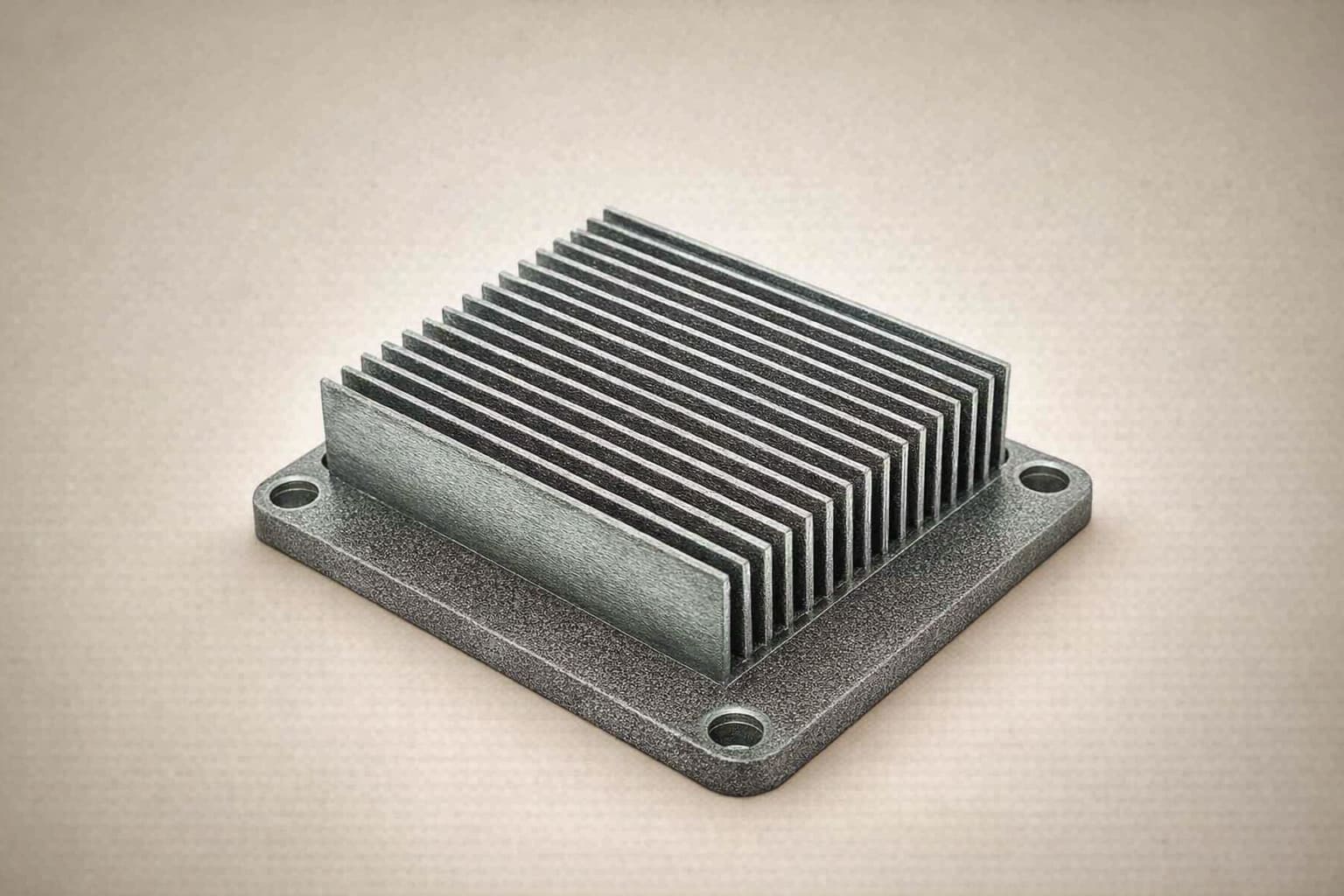
The Aluminum Silicon Carbide heat sink is a high-performance composite thermal solution. By combining highly conductive aluminum with low-expansion silicon carbide, it achieves exceptional heat dissipation and mechanical stability, making it ideal for demanding applications in aerospace, high-end electronics, and power devices where thermal management and reliability are critical.
Or email us at [email protected]
Aluminum Silicon Carbide Heat Sink Data Sheet
| Chemical Formula: | Al-SiC |
| Shape: | Substrate |
| Dimension: | Standard or customized |
Aluminum Silicon Carbide Heat Sink Description
The Aluminum Silicon Carbide (AlSiC) heat sink is an advanced thermal management component fabricated by combining metallic aluminum with ceramic silicon carbide through composite technology, it integrates the high thermal conductivity of aluminum with the low thermal expansion of silicon carbide to effectively manage temperature and mechanical stress in critical components, its distinctive matte dark gray appearance reflects the intrinsic property of the composite material, this heat sink offers irreplaceable advantages in high-frequency, high-power, and high-reliability applications such as 5G base stations, laser systems, aerospace electronics, and electric vehicle power modules.
Aluminum Silicon Carbide Material Chemical Composition
| Technology | Material Reference Code | Volume Fraction | Performance Advantages | Application Directions | |
| SiC (%) | Al (%) | ||||
| RSPM + HIP (Rapid Solidification + HIP) | HMA15 | 15 | 85 | ||
| HMA30 | 30 | 70 | |||
| HMA40 | 40 | 60 | |||
| HMA50 | 50 | 50 | |||
| Pressure Infiltration (PI) | HMA55 | 55 | 45 | ||
| HMA65 | 65 | 35 | |||
| HMA70 | 70 | 30 | |||
Aluminum Silicon Carbide Heat Sink Features
- Exceptional Thermal Conductivity: Efficiently transfers heat from critical components.
- Tailored Coefficient of Thermal Expansion (CTE): Matches semiconductors like GaAs or Si, minimizing thermal stress.
- Lightweight: Lower density than copper, advantageous for weight-sensitive applications.
- High Stiffness and Strength: Provides excellent structural support and dimensional stability.
- Hermetic Sealability: Can be directly bonded to packages for a reliable seal.
- EMI/RFI Shielding: Inherently provides electromagnetic and radio frequency interference shielding.
- High Volume Manufacturing: Suitable for cost-effective, large-scale production.
Aluminum Silicon Carbide Heat Sink Applications
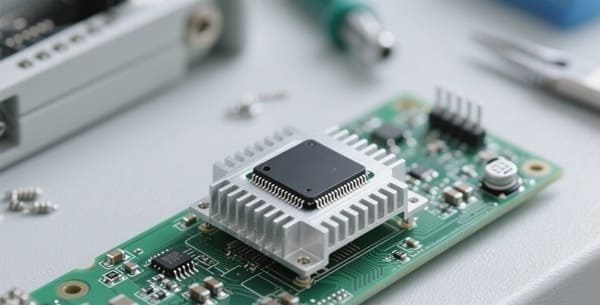
- High-Power & RF Electronics: Used in IGBTs, power modules, laser diodes, and RF/microwave packages for telecom and defense.
- Aerospace & Avionics: Critical for satellite systems, radar, and flight control electronics requiring lightweight reliability.
- Advanced Automotive: Key in electric vehicle (EV) power controllers, LED headlights, and engine control units.
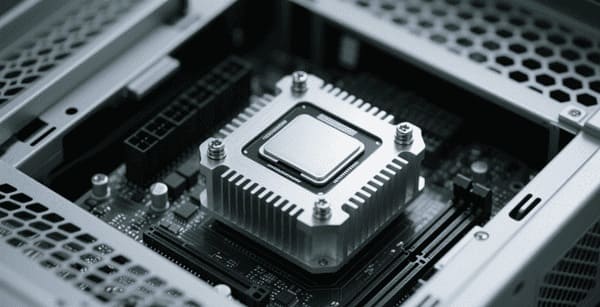
- Computing & Telecom: Deployed in high-performance computing (HPC) CPUs and 5G/6G infrastructure base stations.
- Industrial & Medical: Found in industrial motor drives, medical imaging, and laser equipment.
Aluminum Silicon Carbide Packaging
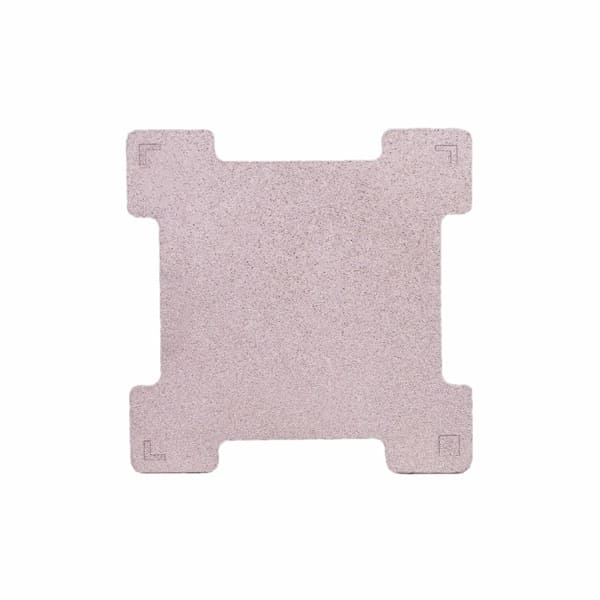
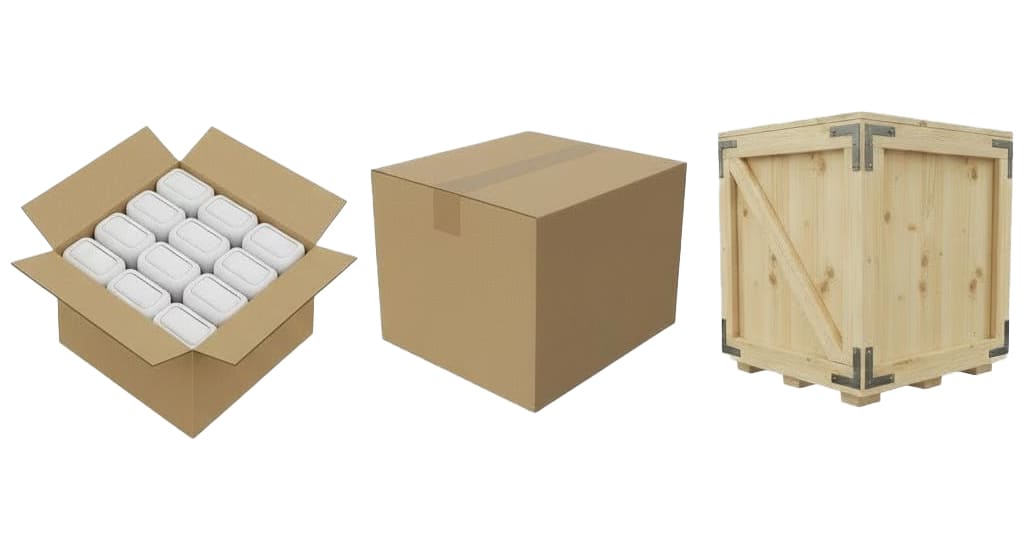
Aluminum silicon carbide ceramic products are typically packaged in vacuum-sealed bags to prevent moisture or contamination and wrapped with foam to cushion vibrations and impacts during transport, ensuring the quality of products in their original condition.
Download
- SAFETY DATA SHEET (SDS) -Aluminum Silicon Carbide Heat Sink
FAQ
What is an Aluminum Silicon Carbide Heat Sink, and what is its core advantage?
It is an advanced thermal management material composed of an aluminum matrix reinforced with silicon carbide particles. Its core advantage is the perfect balance of high thermal conductivity (like aluminum) and a low coefficient of thermal expansion (like SiC), enabling efficient heat dissipation while preventing thermal stress damage to delicate chips.
What are the primary applications for Aluminum Silicon Carbide Heat Sink?
They are primarily used in high-power, high-frequency, and high-reliability fields, such as: 5G base stations, laser systems, aerospace electronics, power control modules in electric vehicles, and packaging for high-end CPUs/GPUs.
How does AlSiC differ from pure aluminum or copper heat sinks?
The key difference lies in its extremely low and tailorable CTE, which can closely match that of semiconductor chips, significantly reducing fatigue failure from thermal cycling. While its thermal conductivity is lower than copper’s, its overall performance (CTE, weight, stiffness) is superior for critical applications.
Can the surface of an AlSiC heat sink be treated or plated?
Yes, common surface treatments include nickel plating or electroless nickel plating. This enhances appearance, provides better corrosion resistance, and improves wettability for thermal interface materials or solder.
Does AlSiC provide electromagnetic interference (EMI) shielding?
Yes. Due to its continuous aluminum metal matrix, AlSiC is inherently conductive and provides effective EMI/RFI shielding, protecting sensitive electronic components.
Get A Quote
Request a personalized quote tailored to your specific requirements.