
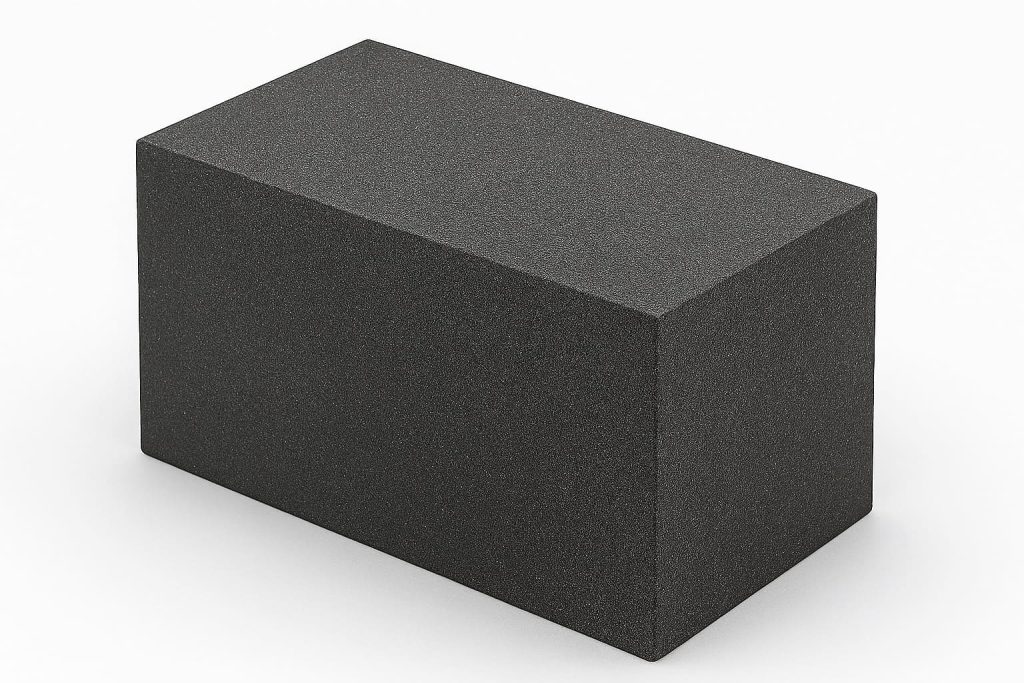
Graphite Block
Graphite Block is a solid block material produced by molding, extruding, or isostatic pressing of high-purity graphite followed by high-temperature graphitization. It features a dense structure, uniform properties, high mechanical strength, and excellent high-temperature resistance. Capable of withstanding extreme temperatures exceeding 2500°C in inert or vacuum atmospheres, it maintains good electrical and thermal conductivity alongside a low coefficient of thermal expansion. Due to its outstanding thermal stability and machinability, graphite blocks are widely used as key structural components, including linings and heating element substrates in high-temperature furnaces, anodes in electrolytic cells, critical parts in semiconductor or photovoltaic thermal systems, and large electrodes for electrical discharge machining.
- Custom and standard options available.
- Fast lead times guaranteed.
- High performance at a competitive price.
Graphite Block Data Sheet
| Purity | ≥99.9% |
| Color | Dark Gray to Black |
| Chemical Formula | C |
| Material Grades | Natural Graphite, Synthetic Graphite, Specialty Graphite, Composites Graphite |
| Density | 1.7–1.92 g/cm³ |
| Maximum Operating Temperature | Up to 3000°C (in inert atmosphere) |
| Thermal Conductivity | 100–200 W/m·K |
Graphite Block Description
Graphite Block is a large-scale, high-purity graphite structural material manufactured through isostatic or molding processes, characterized by its high bulk density and excellent isotropic properties. Its dimensional stability at elevated temperatures, superior thermal and electrical conductivity, and exceptional thermal shock resistance make it an ideal choice for extreme thermal environments. It is widely used in critical industrial applications such as furnace chambers and heating elements for large vacuum or atmosphere sintering furnaces, molds for continuous metal casting, cathodes in aluminum electrolysis, linings for special electrometallurgical furnaces, and corrosion-resistant equipment in the chemical industry. It can also be precision-machined to meet complex installation and functional requirements.
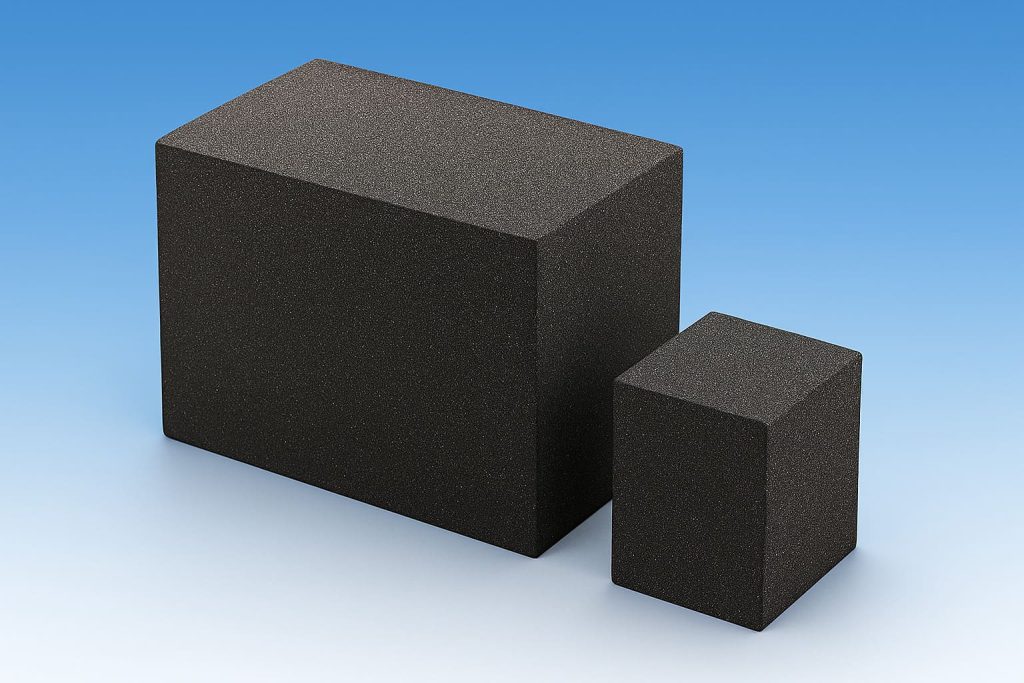
Graphite Block Specifications
| Items | Unit | Value | |
| Grain Size | mm | 0.045-4 | |
| Bulk Density | g/cm3 | 1.65-1.95 | |
| Resistivity | μΩ•m | 8.0-11.0 | |
| Bending Strength | Mpa | 18-55 | |
| Compressive Strength | Mpa | 36-100 | |
| The Coefficient of Thermal Expansion (CTE) | ×10-6/ ℃ | 2.9-3.0 | |
| Ash | % | 0.1-0.3 | |
| Square | Length | mm | ≤3050 |
| Width | mm | ≤1000 | |
| Height | mm | ≤600 | |
| Products can be customized according to order requirements or specific drawings. | |||
Graphite Block Features
- High Density & Strength:High bulk density with superior mechanical strength and structural durability.
- Excellent Isotropy:Uniform properties with consistent thermal expansion and conductivity in all directions.
- Extreme Temperature Resistance:Can withstand temperatures above 2500°C for extended periods in inert or vacuum atmospheres.
- Good Thermal & Electrical Conductivity:Combines efficient heat transfer with strong current-carrying capacity.
- Strong Thermal Shock Resistance:Resistant to cracking under rapid temperature changes.
- High Purity & Low Impurities:High chemical purity suitable for contamination-sensitive processes.
- Easy Precision Machining:Can be milled, turned, drilled, and machined into complex shapes.
- Chemical Corrosion Resistance:Stable against most acids, alkalis, and organic solvents.
Graphite Block Applications
- High-Temperature Furnace Lining: Used as inner lining and insulation in vacuum sintering furnaces and atmosphere-controlled furnaces.
- Electric Heating Element Base: Serves as heating element carriers and connectors in large resistance heating furnaces.
- Metal Metallurgy Molds: Applied in continuous casting molds for non-ferrous metals and die-casting molds.
- Chemical Anticorrosion Equipment: Used for reactor linings, tower internals, and corrosion-resistant pipeline components.
- Electrometallurgy Electrodes: Functions as cathodes in aluminum electrolytic cells and conductive bases in electroslag remelting furnaces.
- Semiconductor Thermal Systems: Utilized in thermal field components like insulation cylinders and support frames in crystal growth furnaces.
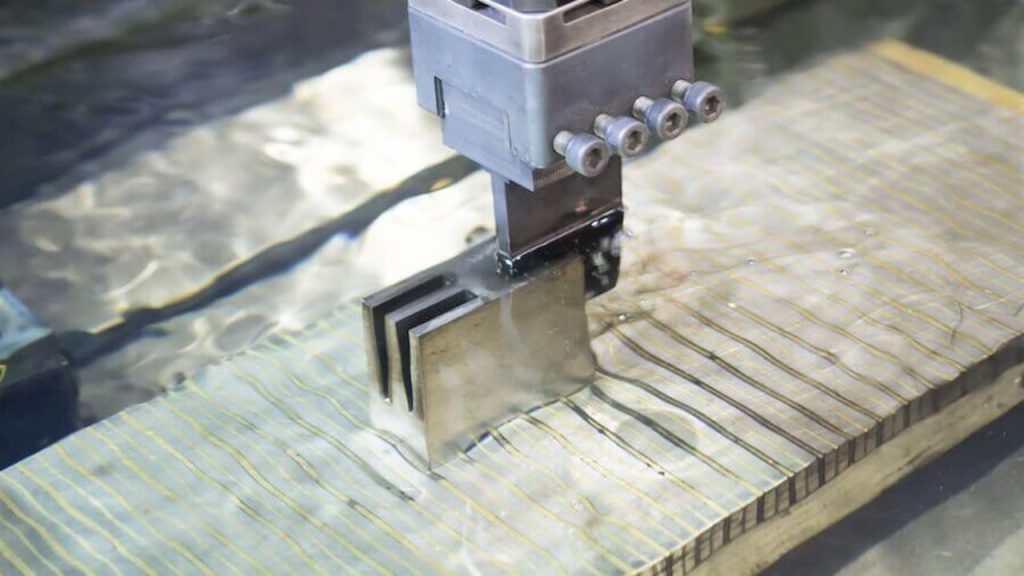
- EDM Electrodes: Serves as large or complex-shaped electrodes for electrical discharge machining.
- Aerospace Thermal Structures: Applied in rocket engine nozzle liners and thermal protection components.
Graphite Ceramic Packaging
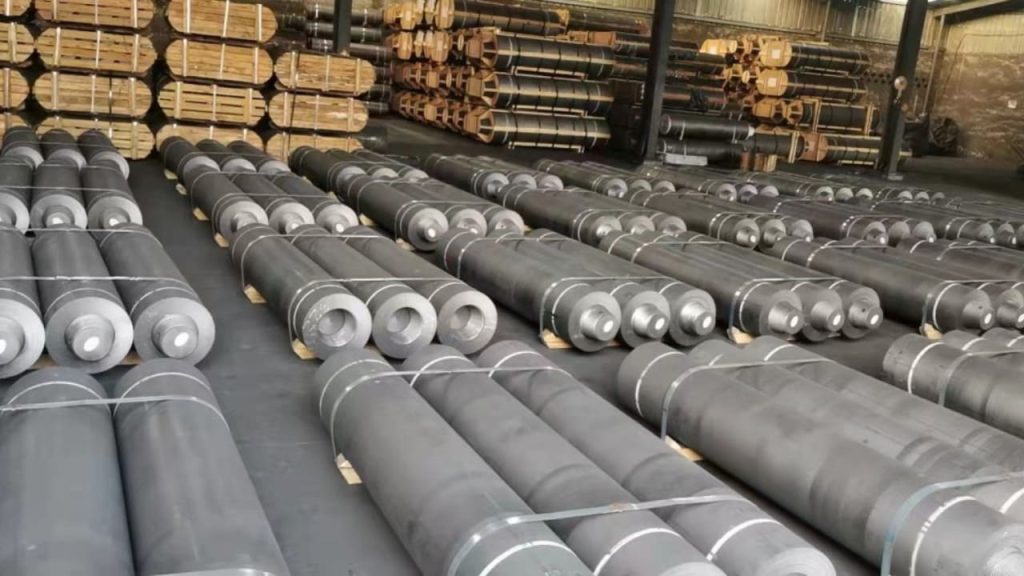
Graphite ceramic products are typically packaged in vacuum-sealed bags to prevent moisture or contamination and wrapped with foam to cushion vibrations and impacts during transport, ensuring the quality of products in their original condition.

Download
- SAFETY DATA SHEET (SDS) -Graphite Block
FAQ
What is a Graphite Block, and how does it differ from regular graphite products?
A Graphite Block is a large, dense block made from high-purity graphite raw materials using processes like isostatic pressing. Its key differences are larger dimensions, higher density, and superior isotropic properties, making it suitable for industrial applications with higher load-bearing and temperature resistance requirements.
What are the main characteristics and advantages of graphite blocks?
Main features include high density and strength, excellent isotropy, resistance to extreme temperatures (up to 3000℃+), strong thermal shock resistance, ease of machining, high chemical purity, and corrosion resistance.
What temperatures can graphite blocks withstand?
In vacuum or inert atmospheres, graphite blocks can withstand long-term temperatures above 2500℃, with short-term tolerance up to 3000℃. Protective coatings are required in oxidizing atmospheres.
How are graphite blocks machined, and what precautions are needed?
Machining can be done using CNC, milling machines, or lathes. Key precautions include dust collection (with specialized systems), using carbide or diamond tools, avoiding localized stress concentration, and careful handling to prevent impact damage.
How are graphite blocks used in oxidizing environments?
Antioxidant treatment is essential. Common methods include impregnation with antioxidants, surface coating with ceramic layers (e.g., SiC coating), or using gradient material composite structures.
Get A Quote
Request a personalized quote tailored to your specific requirements.