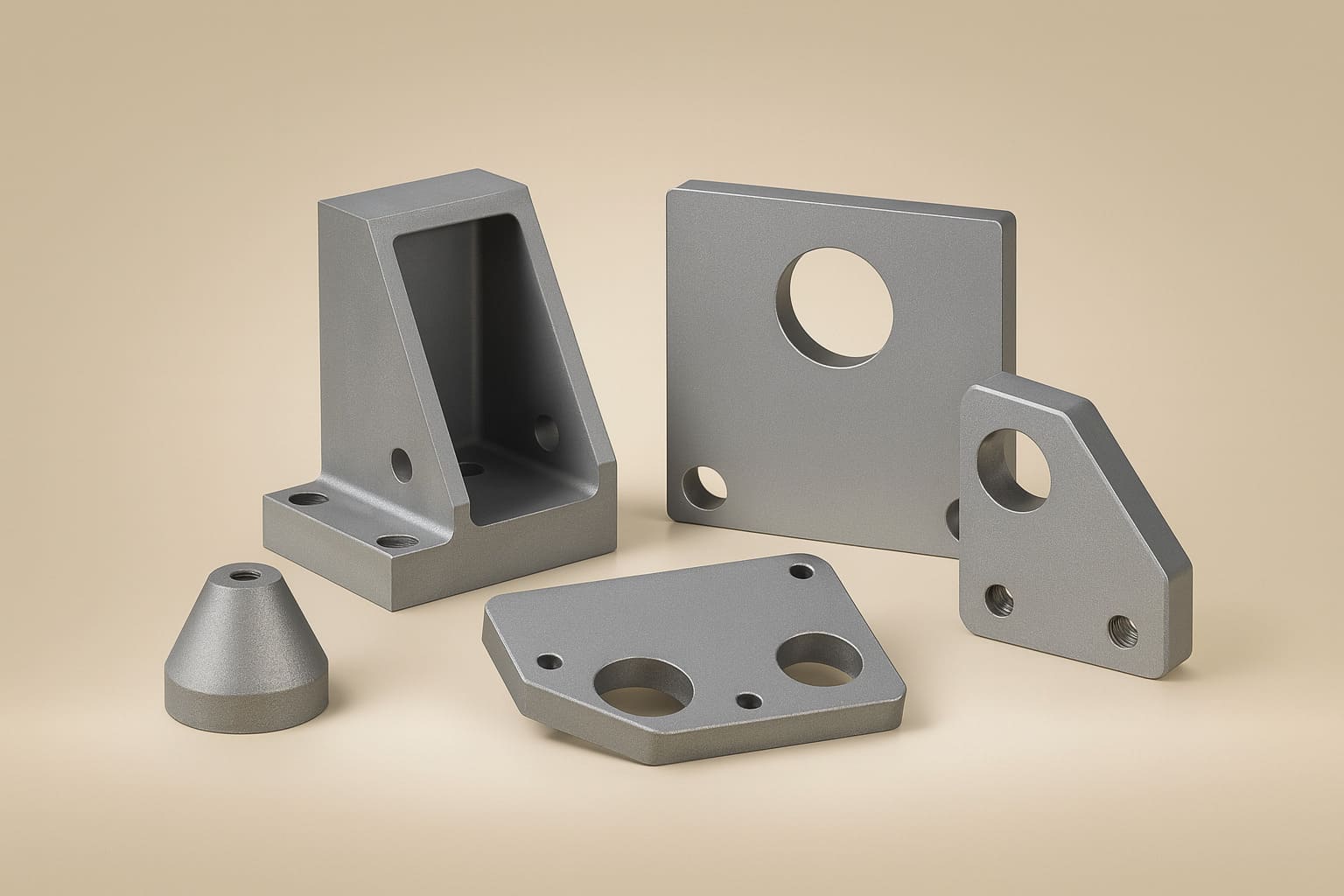
Aluminum Silicon Carbide Structural Components
- Custom and standard options available.
- Fast lead times guaranteed.
- High performance at a competitive price.
Aluminum Silicon Carbide Structural Components are advanced metal matrix composites (MMC) that combine the excellent thermal properties of silicon carbide with the lightweight and processability of aluminum. It is engineered to deliver exceptional performance where conventional materials fall short. NexusX Advanced Materials, as a premier manufacturer and supplier of high-quality Aluminum Silicon Carbide (AlSiC) products, focuses on producing high-precision aluminum nitride silicon structural compenents through advanced technologies for diverse application fields.
Or email us at [email protected]
Aluminum Silicon Carbide Structural Components Data Sheet
| Chemical Formula: | Al-SiC |
| Shape: | Custom parts |
| Dimension: | Standard or customized |
Aluminum Silicon Carbide Structural Components Description
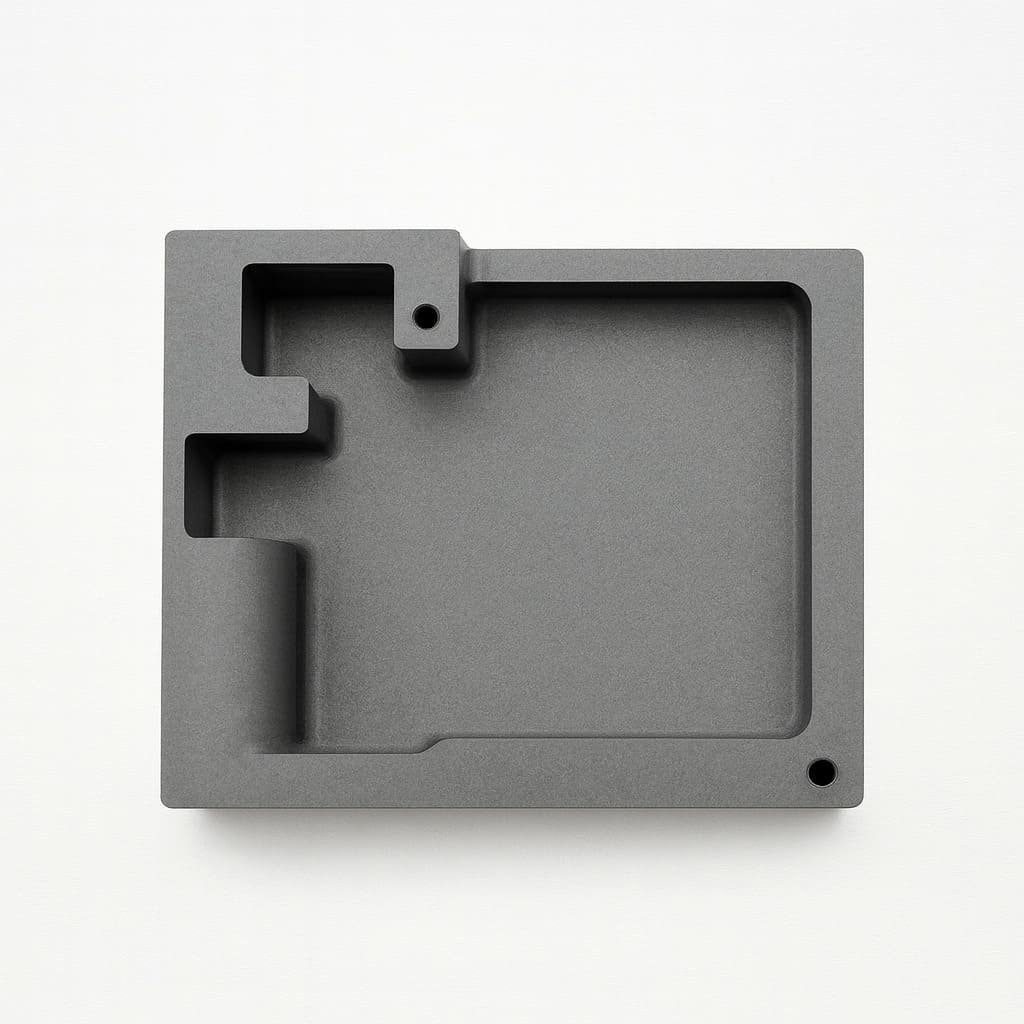
Aluminum Silicon Carbide (AlSiC) Structural Components Product Description.Engineered for Peak Performance in Demanding Environments.Our Aluminum Silicon Carbide (AlSiC) structural components represent the pinnacle of metal matrix composite technology. By precisely integrating high-purity silicon carbide particles into an aluminum matrix, we create a material that delivers an unmatched combination of lightweight properties, thermal management, and structural integrity. This is the ultimate solution for applications where failure is not an option.
Aluminum Silicon Carbide Material Chemical Composition
| Technology | Material Reference Code | Volume Fraction | Performance Advantages | Application Directions | |
| SiC (%) | Al (%) | ||||
| RSPM + HIP (Rapid Solidification + HIP) | HMA15 | 15 | 85 | High specific strength & stiffness Low density Excellent wear resistance Good heat resistance | Lightweight and wear-resistant components Alternative to aluminum alloys, cast steel, cast iron, and titanium alloysBrake components, pistons, connecting rods, fighter belly fins, helicopter rotor forgings |
| HMA30 | 30 | 70 | |||
| HMA40 | 40 | 60 | High specific strength & stiffness High micro-yield strength Low thermal expansion High thermal conductivity | Aerospace and defense applications Optical mirrors, inertial navigation system components Alternative to beryllium, glass-ceramics, quartz glass | |
| HMA50 | 50 | 50 | |||
| Pressure Infiltration (PI) | HMA55 | 55 | 45 | High specific modulus Low density Low thermal expansion High thermal conductivity | Thermal management materials for military and civilian use Military IGBT substrates, PCB substrates, heat dissipation baseplates Electronic component bases and housings, power amplifier module housings and basesAlternative to W/Cu, Mo/Cu, Kovar alloys |
Aluminum Silicon Carbide Structural Components Features
- High Thermal Conductivity
AlSiC composites offer a high and tailorable thermal conductivity (typically 170-220 W/m·K), enabling efficient heat dissipation and thermal management for high-power electronic devices. - Tailorable Low Coefficient of Thermal Expansion (CTE)
By adjusting the SiC content, the CTE can be precisely matched to ceramic substrates, semiconductor chips (e.g., Silicon, GaAs), or packaging materials (e.g., Alumina, AlN, Kovar). This significantly reduces thermal stress and enhances joint reliability. - High Specific Stiffness and Lightweight
With a density of approximately 3.0 g/cm³, it is lighter than traditional metals (such as Copper, WCu, or MoCu) while offering high specific stiffness (E/p), making it ideal for weight-sensitive applications in aerospace and portable devices. - Excellent Mechanical Strength and Wear Resistance
The SiC reinforcement provides enhanced flexural strength and hardness, ensuring dimensional stability under mechanical load and superior wear resistance. - Hermeticity and Platability
AlSiC composites possess a dense microstructure capable of achieving hermetic seals (up to 1×10⁻⁹ atm·cc/s He). The surface can be readily metallized (e.g., electroless nickel, gold plating) for subsequent soldering or assembly processes. - Near-Net Shape Capability
Typically manufactured via pressureless infiltration or squeeze casting, AlSiC can be formed into complex structural components with near-net shapes, reducing machining costs and material waste.
Aluminum Silicon Carbide Structural Components Applications
- Unrivaled Thermal Management-Effectively dissipates heat from high-power devices, preventing overheating and ensuring long-term reliability. Its tunable Coefficient of Thermal Expansion (CTE) can be perfectly matched to semiconductors, ceramics, and gallium arsenide, virtually eliminating thermally induced stresses and failures.
- Lightweight Structural Superiority-Achieves up to 65% weight reduction compared to traditional metals like Kovar or copper-tungsten, while offering a higher specific stiffness. This leads to enhanced fuel efficiency in aerospace systems and improved performance in portable electronics.
- Exceptional Mechanical Properties-Provides superior strength, hardness, and wear resistance over conventional aluminum alloys, ensuring dimensional stability and durability under mechanical load and thermal cycling.
- Power Electronics & Modules-Baseplates, heat spreaders, and housings for IGBTs, MOSFETs, and EV power inverters.
- Aerospace & Defense-Lightweight structural housings, avionics packages, and radar support structures.
- High-Performance Computing-Lids and thermal management solutions for CPUs, GPUs, and ASICs.
- Precision Instrumentation-Optical benches, laser bar mounts, and MEMS packaging requiring ultra-stable platforms.
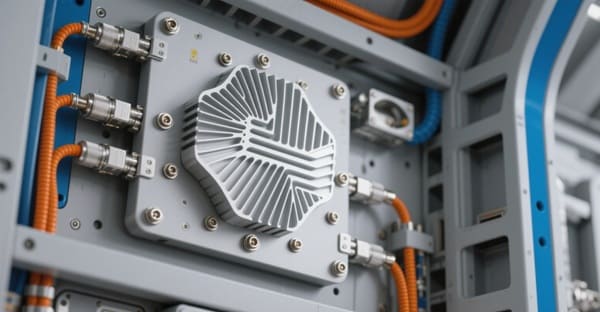

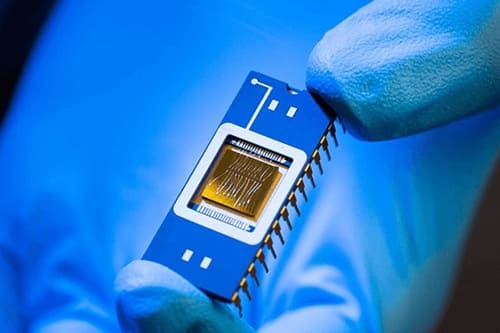

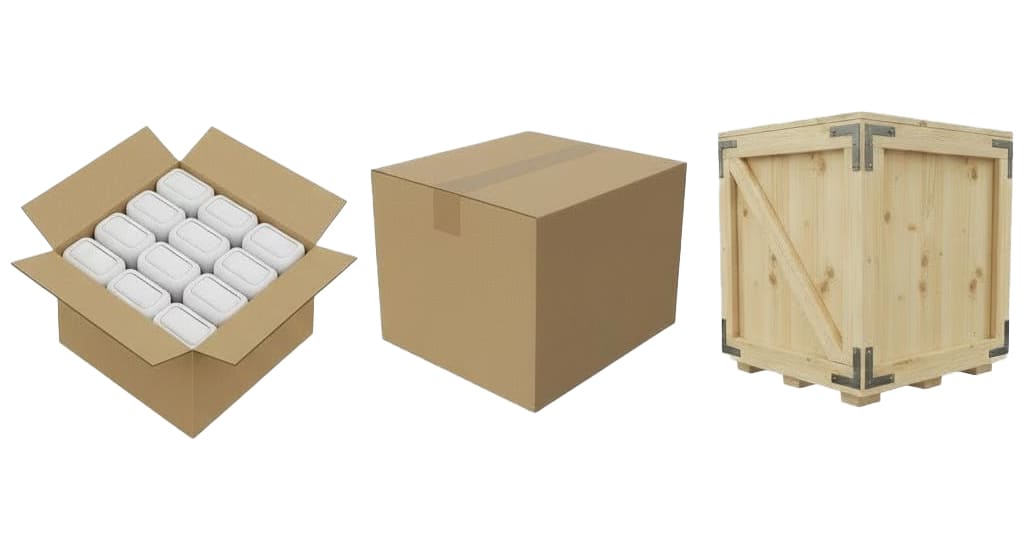
Aluminum Silicon Carbide Packaging
Aluminum silicon carbide products are typically packaged in vacuum-sealed bags to prevent moisture or contamination and wrapped with foam to cushion vibrations and impacts during transport, ensuring the quality of products in their original condition.
Download
- SAFETY DATA SHEET (SDS) -Aluminum Silicon Carbide Structural Components
FAQ
What is Aluminum Silicon Carbide (AlSiC)?
It is an advanced metal matrix composite that combines hard silicon carbide particles with a ductile aluminum metal matrix, offering the best properties of both.
What are the main advantages of AlSiC over traditional aluminum?
The main advantages are higher strength, hardness, wear resistance, and a lower, tailorable coefficient of thermal expansion, while maintaining good thermal conductivity and light weight.
In which industries are Aluminum Silicon Carbide (AlSiC) components commonly used?
They are widely used in high-end industries such as aerospace, electric vehicles, high-power electronic packaging, precision optics, and defense.
How are AlSiC components manufactured?
Two primary processes: Powder Metallurgy and Melt Infiltration. Powder metallurgy suits complex shapes, while melt infiltration creates very high SiC content parts.
How do I select Aluminum Silicon Carbide (AlSiC) for my project?
The key is to balance SiC content, CTE, thermal conductivity, mechanical strength, and cost based on your specific needs. Consult our engineers for an evaluation.
Get A Quote
Request a personalized quote tailored to your specific requirements.